How to Identify Positive and Negative Wires Safely
By Tutorial Nest Editorial Team
Published: Mar 16, 2026
Learning how to identify positive and negative wires is one of the most essential skills for anyone working with electronics, DIY projects, or basic electrical systems. Whether you install LED lights, repair small devices, or connect batteries, understanding wire polarity ensures safe operation and prevents costly mistakes.
Electricity powers almost every aspect of modern life, from lighting homes to running advanced technology. However, many people feel uncertain when handling electrical wires, especially when they need to determine which wire carries positive current and which one completes the circuit.
Therefore, knowing how to safely identify positive and negative wires helps you avoid equipment damage, improve efficiency, and most importantly, protect yourself from electrical hazards.

Understanding Positive and Negative Wires
Before you identify wires, you must understand what positive and negative actually mean. In direct current (DC) systems, electricity flows in one direction — from the positive terminal to the negative terminal.
In this setup:
- The positive wire carries current from the power source
- The negative wire returns current to complete the circuit
Because of this flow, reversing polarity can cause devices to malfunction or fail completely. In some situations, incorrect connections may even damage components permanently.
In contrast, alternating current (AC) systems work differently. Instead of positive and negative, they use live (hot), neutral, and ground wires. However, many electronics and low-voltage systems still rely on DC polarity.
Therefore, understanding this distinction helps you apply the correct method when you identify positive and negative wires.
Why Identifying Wire Polarity Is Important
When you identify positive and negative wires correctly, you ensure that electrical systems function safely and efficiently.
Firstly, correct polarity protects sensitive electronic devices. Many components, such as LEDs and circuit boards, depend on proper current direction. If you reverse the wires, the device may stop working or suffer damage.
Secondly, proper identification prevents short circuits. Incorrect wiring can create unintended paths for electricity, which may lead to overheating or system failure.
Moreover, correct polarity ensures stable power flow. Electricity requires a complete circuit to operate efficiently. Therefore, accurate connections improve performance and reliability.
Finally, safety remains the most important factor. When you identify positive and negative wires correctly, you reduce the risk of sparks, overheating, and electrical accidents.
Common Wire Color Codes
One of the easiest ways to identify positive and negative wires involves checking their colors. Manufacturers often use color conventions to simplify identification, and these standards help both beginners and professionals work more efficiently. However, while color coding provides a useful starting point, you should always confirm polarity when accuracy matters.
Firstly, in most DC systems, the standard color combination includes red and black wires. In this setup, the red wire represents the positive connection, while the black wire represents the negative connection. Because this convention appears widely across many industries, users quickly recognize and apply it in practical situations.
You will commonly find this color pairing in car electronics, where batteries and accessories rely on clear polarity. In addition, battery connections almost always follow this standard to prevent incorrect wiring. Moreover, LED lighting systems use red and black wires to ensure proper current flow, which allows the lights to function correctly. Small electronic devices also adopt this convention because it reduces confusion during assembly and repairs.
Furthermore, this standard helps speed up installation processes. When users immediately recognize wire polarity, they complete tasks more efficiently and reduce the risk of mistakes. As a result, both safety and performance improve.
However, you should not rely solely on color codes. Some manufacturers use different colors depending on region, product type, or design choices. Therefore, it remains important to verify polarity using markings or tools such as a multimeter.
Overall, color coding offers a simple and effective way to identify wires, but combining it with additional checks ensures accurate and safe results in all situations.
Other Possible Color Variations
However, not all systems follow the same color standard, which can create confusion during installation or repairs. Different manufacturers, regions, and device types often use alternative color schemes to represent electrical polarity. As a result, users must approach wire identification with caution instead of relying only on familiar patterns.
For example, some systems use white wires to indicate the negative connection, especially in certain low-voltage or consumer electronics setups. In other cases, manufacturers use brown wires to represent the positive side, particularly in European wiring conventions. Additionally, blue wires may indicate the negative connection in specific devices or cable types. Because these variations exist, assuming that red always means positive and black always means negative can lead to mistakes.
Moreover, custom-built systems and older equipment may follow completely different color arrangements. Therefore, users working with unfamiliar devices should take extra time to verify polarity before making any connections. This step becomes especially important in environments where incorrect wiring could damage sensitive components or create safety risks.
In addition, lighting systems, automotive wiring, and imported electronics often include unique color schemes. Consequently, relying on visual inspection alone may not provide accurate results in every situation.
Because of these factors, you should always confirm polarity using additional methods. For instance, you can check wire markings, labels, or surface patterns that indicate polarity. Furthermore, using a multimeter provides a reliable and precise way to identify positive and negative wires.
Overall, while color variations can complicate the process, combining visual clues with proper tools ensures safe and accurate wire identification in any scenario.
Checking Wire Markings or Labels
When colors do not provide clear answers, you can identify positive and negative wires by carefully inspecting the cable itself. Many manufacturers add subtle markings or physical differences to help users distinguish between conductors. Therefore, paying close attention to these details can save time and prevent incorrect connections.
Firstly, look for visual indicators along the insulation. For example, one wire may include a white stripe running along its length. This stripe often signals one side of the circuit, which many systems use to represent either the positive or negative connection. In addition, some cables include printed symbols such as “+” or “−” directly on the insulation. These markings provide clear guidance and remove any guesswork.
Moreover, texture differences can help you identify polarity. One conductor may feature ribbed or slightly rough insulation, while the other remains smooth. Because of this variation, you can often distinguish the wires by touch, even in low-light conditions or tight spaces. This method proves especially useful when both wires share the same color.
Furthermore, manufacturers sometimes use subtle design patterns, such as dashed lines or raised edges, to mark one side of the cable. As a result, users can quickly identify the correct connection without relying on external tools.
However, you should not assume that all cables follow the same marking system. Different brands and products may use unique indicators. Therefore, combining visual inspection with other methods, such as testing with a multimeter, improves accuracy.
Overall, careful inspection of wire markings and labels offers a reliable and practical way to identify polarity. When you take the time to observe these details, you reduce errors and ensure safer, more effective electrical connections.

How to Use a Multimeter to Identify Positive and Negative Wires
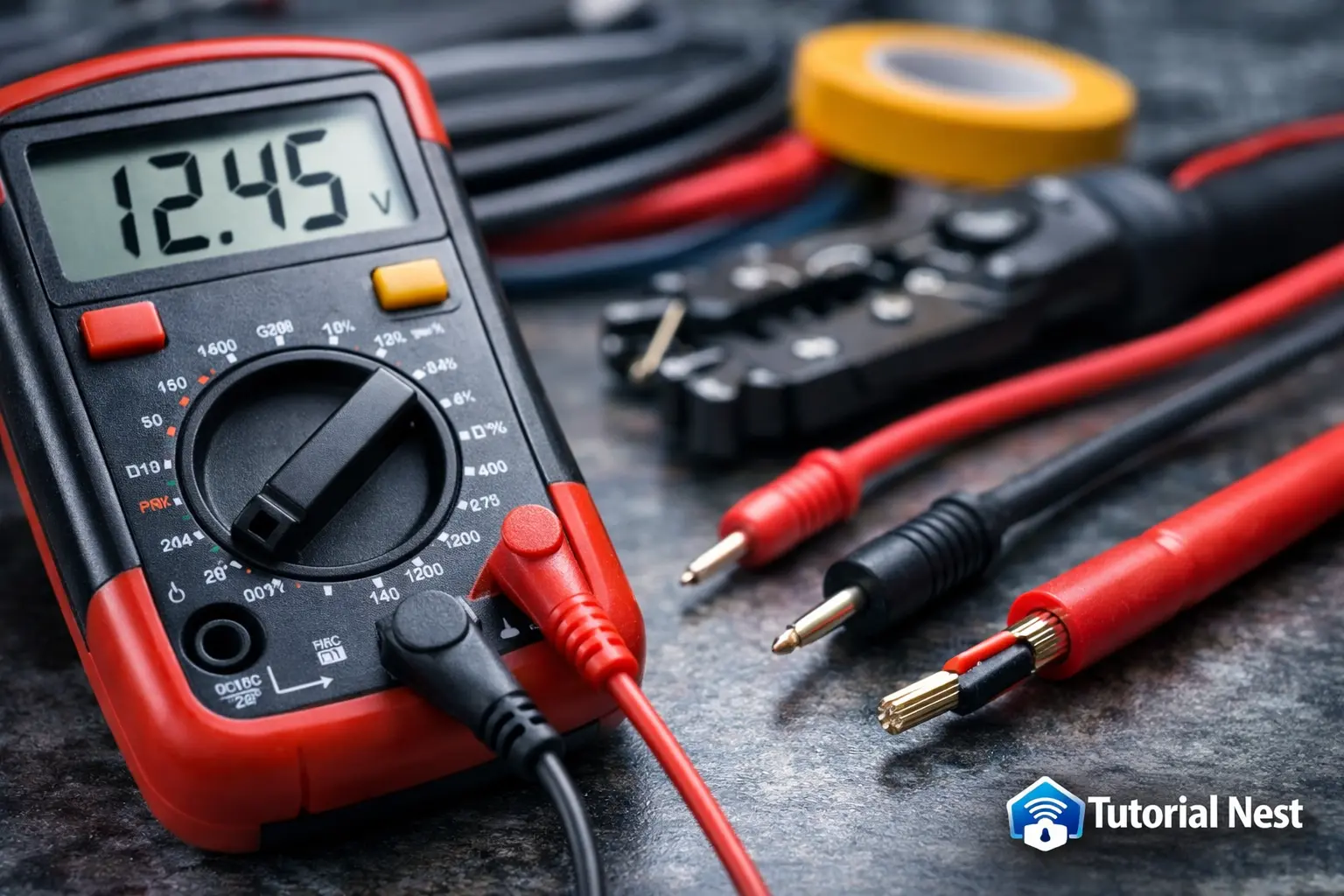
When visual inspection does not provide clear answers, a multimeter gives you a fast and dependable way to identify positive and negative wires. This tool measures voltage and shows you the direction of current flow, which allows you to confirm polarity with confidence. Therefore, both beginners and professionals rely on it for accurate results.
First, set the multimeter to DC voltage mode. Most devices display this setting as “V” with a straight line. Next, connect the probes: insert the red probe into the positive port and the black probe into the common (COM) port. After that, touch the probes to the two wires you want to test. Place the red probe on one wire and the black probe on the other.
Then, check the reading on the display. If the value appears positive, the red probe touches the positive wire and the black probe touches the negative wire. However, if the value appears negative, you have reversed the probes. In that case, simply switch them to identify the correct polarity.
Moreover, keep your hands steady and avoid touching exposed metal during testing. This practice improves accuracy and reduces the risk of interference. In addition, perform the measurement on a stable surface to prevent accidental movement.
Furthermore, repeat the test if you feel unsure about the result. Consistent readings confirm that you identified the wires correctly. Because a multimeter provides real-time feedback, it removes guesswork and increases safety.
Overall, this method delivers precise and reliable results in almost any situation. By using a multimeter correctly, you can identify positive and negative wires quickly and ensure safe, accurate electrical connections.
Identifying Wires in Speaker Cables
Speaker cables often look identical at first glance, which can make polarity harder to identify. However, manufacturers usually add small but important differences to help users distinguish between the two conductors. Therefore, you can rely on careful observation to identify positive and negative wires correctly in most speaker setups.
Firstly, check for a stripe along one of the wires. Many speaker cables include a visible line that runs the entire length of one conductor. In most cases, this marked wire represents the positive connection. As a result, users can quickly connect speakers without confusion.
In addition, look for printed text on the cable. Some manufacturers print brand names, specifications, or symbols along one side. This printed wire often indicates polarity and helps you maintain consistent connections across multiple speakers.
Moreover, texture differences can provide another clue. One wire may feel slightly rough, ribbed, or raised, while the other remains smooth. Because of this variation, you can identify polarity even without visual confirmation. This method becomes especially useful in low-light environments or when cables run behind equipment.
However, you should not rely on assumptions alone. Different manufacturers may use different marking systems. Therefore, always check the device manual or speaker documentation when possible. This step ensures accuracy and prevents incorrect connections.
Furthermore, correct polarity plays a crucial role in sound quality. When you connect speakers properly, audio signals remain in phase, which produces clear and balanced sound. In contrast, incorrect polarity can cause distortion, reduced bass, and poor stereo imaging.
Overall, identifying speaker wire polarity requires attention to detail. By using visual and tactile clues, you can ensure better performance and a more consistent audio experience.
Identifying Wires in LED Lighting
LED systems rely on correct polarity to operate efficiently, so you must identify positive and negative wires before making any connections. Unlike some other electrical components, LEDs respond directly to the direction of current flow. Therefore, proper wiring ensures both functionality and long-term reliability.
Firstly, most LED strips and modules include clear polarity labels near their connection points. You will often see a “+” symbol marking the positive terminal and a “−” symbol marking the negative terminal. These labels provide a quick and reliable way to connect wires correctly. As a result, users can avoid guesswork during installation.
In addition, manufacturers typically follow common color conventions in LED systems. For example, red wires usually indicate the positive connection, while black or white wires represent the negative side. Because this standard appears widely in LED products, users can often identify polarity at a glance. However, you should still confirm the labels on the device to ensure accuracy.
Moreover, some LED strips include additional markings along the circuit board, such as printed text or polarity indicators near each segment. These details help you maintain correct connections, especially when cutting and extending LED strips.
However, you must always double-check before powering the system. If you reverse the wires, the LEDs usually will not turn on. In some cases, incorrect wiring may also damage the driver or reduce the lifespan of the components. Therefore, careful identification prevents unnecessary issues.
Furthermore, stable connections improve performance and brightness consistency. When you wire LEDs correctly, they deliver uniform light output and operate safely over time.
Overall, identifying polarity in LED lighting remains simple when you follow labels, color codes, and visual cues. By paying attention to these details, you ensure safe installation and optimal performance.
Safety Precautions
When you identify positive and negative wires, you must place safety at the center of every step. Electrical work, even at low voltage, can create risks if you ignore basic precautions. Therefore, you should prepare your workspace, use the right tools, and follow safe habits before touching any wires.
Firstly, always turn off the power source before handling cables. This simple step prevents electric shock and avoids accidental short circuits. In addition, unplug devices or disconnect batteries whenever possible. As a result, you create a safer environment for inspection and testing.
Next, use insulated tools designed for electrical work. These tools protect your hands and reduce the chance of direct contact with live conductors. Moreover, keep your hands dry and work on a non-conductive surface. These small actions improve safety and help you maintain control during the task.
Furthermore, inspect cables carefully before you begin. Avoid using damaged wires with cracked insulation or exposed copper. Such cables increase the risk of sparks, overheating, and unexpected failures. Therefore, replace any compromised wiring before continuing your work.
In addition, double-check every connection before restoring power. Take a moment to confirm polarity, secure terminals, and ensure that wires do not touch unintentionally. This habit prevents costly mistakes and improves system reliability.
You should also wear basic protective gear when necessary. For example, gloves and safety glasses provide extra protection in more demanding situations. As a result, you reduce the risk of injury while working with electrical components.
Overall, following these precautions creates a safe and controlled environment. When you stay careful and methodical, you reduce risks, protect your equipment, and complete your work with confidence.
Common Mistakes to Avoid
Even experienced users make mistakes when working with electrical wiring, especially when they try to identify positive and negative wires quickly. Small errors can lead to equipment damage, unreliable performance, or serious safety risks. Therefore, understanding what to avoid helps you work more confidently and safely.
Firstly, many people assume that color codes always apply. While red and black often indicate positive and negative, not every manufacturer follows the same standard. As a result, relying only on color can lead to incorrect connections. Instead, you should confirm polarity using markings or a multimeter whenever possible.
In addition, some users ignore wire markings and labels. Cables often include stripes, symbols, or texture differences that indicate polarity. However, if you overlook these details, you increase the risk of wiring errors. Therefore, take a moment to inspect each cable carefully before making connections.
Moreover, testing wires while power is active creates serious hazards. Some people attempt to identify polarity by touching wires together or guessing connections. This approach can cause sparks, short circuits, or electrical shock. Instead, always turn off the power source before handling wires.
Another common mistake involves using incorrect or low-quality tools. Faulty multimeters or improper testing equipment can produce inaccurate readings. Consequently, you may misidentify polarity and create further issues. Therefore, always use reliable tools designed for electrical work.
Furthermore, rushing through the process often leads to avoidable mistakes. When you skip verification steps, you increase the chances of incorrect wiring. As a result, devices may fail or perform poorly.
Overall, avoiding these mistakes improves both safety and accuracy. By working carefully and verifying each step, you can identify positive and negative wires correctly and prevent unnecessary problems.
Technology continues to evolve across different industries, including healthcare and engineering. If you’re interested in how innovation impacts real-world systems, check out this article:
👉 New Medical Device Could Transform How Community Blood Banks Save Lives
Electrical safety practices and standards often align with guidelines from organizations such as
👉which help define global electrical safety principles.
Advanced Tips for Professionals
As you gain experience, you can apply more advanced techniques to identify positive and negative wires with greater speed and accuracy. These methods help you work efficiently in complex systems where basic visual checks may not provide enough clarity.
Firstly, continuity testing offers a powerful way to trace connections inside a circuit. By using a multimeter in continuity mode, you can follow the electrical path from one point to another. This approach allows you to confirm how wires connect within a system, especially in tightly packed or hidden installations. As a result, you can identify polarity more confidently when dealing with complex wiring.
In addition, labeling wires during installation creates long-term benefits. When you clearly mark positive and negative wires, you reduce confusion during future maintenance or upgrades. For example, you can use colored tape, tags, or printed labels to distinguish connections. Therefore, organized setups save time and prevent mistakes during troubleshooting.
Moreover, using high-quality tools improves both accuracy and safety. Reliable multimeters, insulated probes, and professional-grade equipment provide consistent readings and reduce the risk of errors. Because of this, you can trust your measurements and make better decisions during electrical work.
Furthermore, professionals often document their wiring setups. Creating simple diagrams or notes helps track connections and simplifies future modifications. As a result, you maintain better control over complex systems.
In addition, working methodically improves efficiency. Instead of rushing, you should verify each step and confirm polarity before moving forward. This disciplined approach reduces errors and ensures consistent results.
Overall, advanced techniques allow you to identify positive and negative wires more effectively. By combining proper tools, organization, and systematic methods, you can handle complex electrical tasks with confidence and precision.
Why This Skill Matters
Knowing how to identify positive and negative wires builds real confidence when you work with electrical systems. Instead of guessing or hesitating, you can approach each task with clarity and control. As a result, you make better decisions and complete projects with fewer errors.
Firstly, this skill improves safety. When you recognize correct polarity, you reduce the risk of shocks, sparks, and short circuits. Therefore, you protect both yourself and your workspace from avoidable hazards. In addition, you create a safer environment for anyone else involved in the project.
Secondly, correct identification protects your devices. Many electronic components depend on proper current direction. If you reverse polarity, you may damage sensitive parts or reduce their lifespan. Consequently, understanding polarity helps you avoid costly repairs or replacements.
Moreover, this skill increases efficiency. When you identify wires quickly and accurately, you complete installations and repairs faster. You spend less time troubleshooting and more time progressing with your work. As a result, your workflow becomes smoother and more productive.
Furthermore, this knowledge supports long-term growth. As you handle more projects, you begin to recognize patterns and improve your technical skills. Therefore, you build a strong foundation that prepares you for more advanced electrical tasks.
In addition, this ability improves problem-solving. When something does not work as expected, you can quickly check polarity and identify potential issues. Consequently, you resolve problems faster and with greater confidence.
Overall, learning how to identify positive and negative wires gives you practical advantages in safety, efficiency, and technical development. By mastering this skill, you strengthen your ability to work with electrical systems and prepare yourself for more complex challenges in the future.
To safely measure voltage, you can follow an official guide on how to use a multimeter by Fluke.
Executive Summary
Understanding how to identify positive and negative wires safely is a fundamental skill that applies to many real-world situations. Whether you work on simple DIY projects or more advanced systems, correct wire identification ensures safety, efficiency, and reliability.
By combining visual inspection, proper tools, and safety practices, you can confidently handle electrical wiring without unnecessary risks.
Always follow proper safety standards as outlined by OSHA electrical safety tips.