
Microsoft Cancels Auto-Install of Copilot After Massive User Outrage
By Tutorial Nest Editorial Team
Published: March 23, 2026
A Tech Giant Forced to Listen
Microsoft cancels auto-install of Copilot after massive user outrage, marking a rare and significant moment in the technology industry where public feedback directly influenced a major corporate decision.
Initially planned as part of a broader AI rollout strategy, the automatic installation of Microsoft’s Copilot app quickly became controversial. Users around the world expressed frustration over what they perceived as a forced integration of artificial intelligence into their systems.
As artificial intelligence continues to shape modern computing, this incident highlights a deeper issue: the balance between innovation and user control. While companies are racing to integrate AI into their ecosystems, users are becoming increasingly vocal about how and when these technologies should be introduced.
What Is Microsoft Copilot?
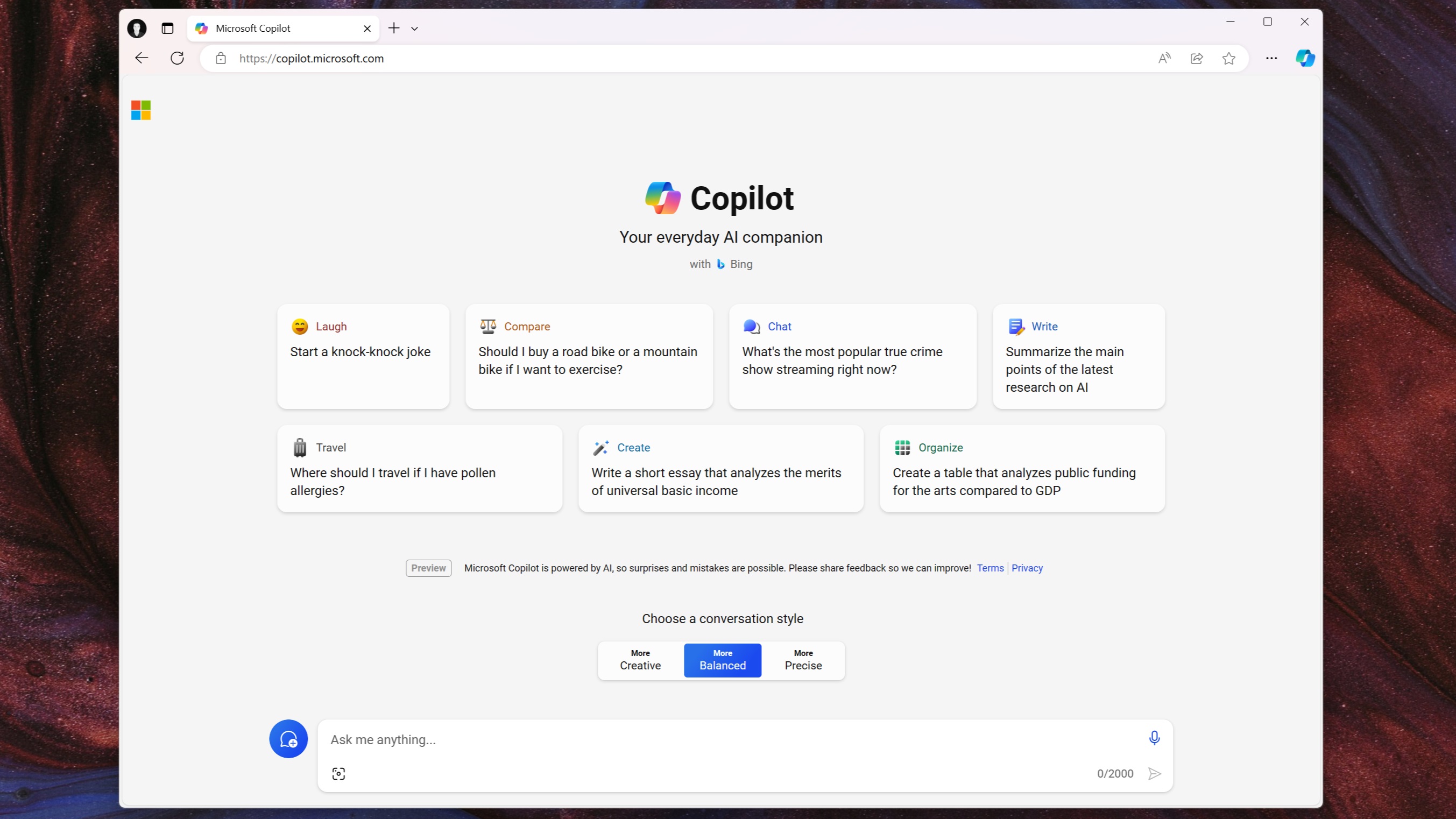
Microsoft Copilot is a next-generation AI assistant designed to transform productivity within the Windows ecosystem and Microsoft 365 applications.
It allows users to:
- Generate content using natural language
- Automate repetitive tasks
- Analyze complex data sets
- Manage workflows more efficiently
Unlike traditional software tools, Copilot acts as an intelligent collaborator. It learns from user behavior and adapts to specific needs, making it one of the most ambitious AI integrations in consumer computing.
Microsoft’s investment in AI, particularly through its collaboration with OpenAI, has positioned Copilot as a central pillar in its long-term strategy. The company envisions a future where AI becomes a seamless part of everyday digital experiences.
The Controversial Plan: Auto-Installing Copilot
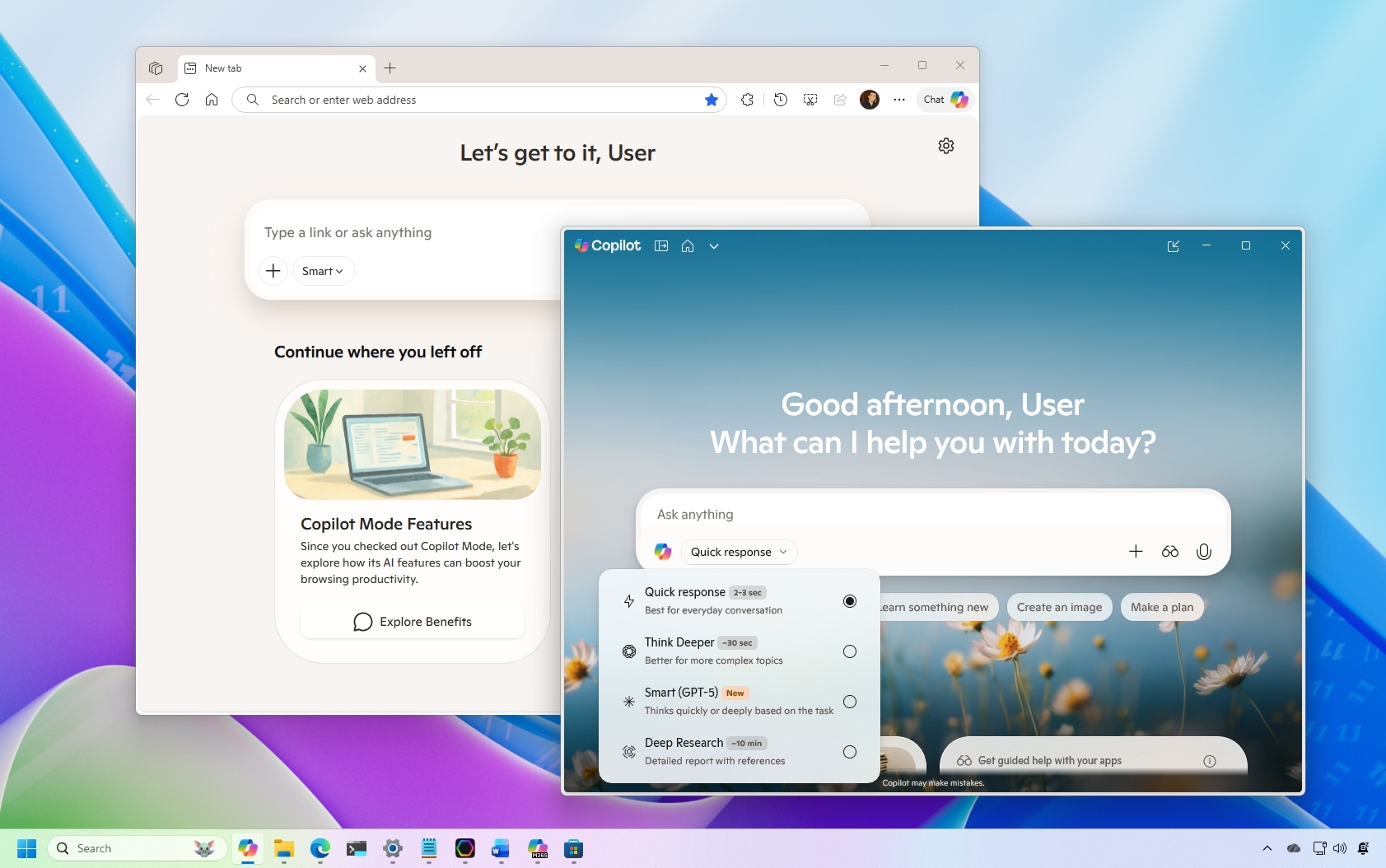
This was not an optional update. Instead, the app would appear on users’ systems as part of a standard update process, without requiring explicit approval.
For many users, this approach raised immediate concerns.
Why Auto-Install Sparked Global Backlash
The backlash was swift and widespread, driven by several key concerns:
🔐 Loss of Control
Users felt that automatic installation undermined their ability to manage their own devices.
🧠 Privacy Concerns
AI tools often rely on data processing, raising fears about how personal information might be used.
⚙️ System Performance
Additional applications can consume system resources, especially on lower-end devices.
📦 Bloatware Fatigue
Many users are already frustrated with pre-installed apps they did not choose.
These concerns are not new—but the introduction of AI added a new layer of complexity and sensitivity.
“Microslop”: A Symbol of Resistance

As criticism intensified, the term “Microslop” emerged as a viral expression of frustration.
The nickname reflected a growing sentiment that AI features were being pushed too aggressively, often without clear benefits to users.
Social media platforms became central to the discussion. Posts, memes, and threads criticizing the decision gained traction, turning the issue into a global conversation.
This reaction demonstrates how quickly public opinion can mobilize—and how powerful it can be.
Microsoft’s Response: A Strategic Retreat
Faced with mounting criticism, Microsoft decided to halt the automatic installation of Copilot.
This decision marked a rare moment where user feedback directly influenced product strategy.
Key Changes Implemented
- The auto-install rollout was paused
- Copilot became an optional feature
- Microsoft began reassessing its AI deployment approach
While the company described the change as temporary, it clearly signaled a shift in priorities.
Why This Decision Matters
This situation is more than a simple product update—it reflects broader changes in the tech landscape.
1. User Autonomy Is Non-Negotiable
Users expect control over their digital environments.
2. AI Adoption Must Be Earned
Even powerful tools must be introduced gradually and respectfully.
3. Public Pressure Is Stronger Than Ever
User communities now play a significant role in shaping technology decisions.
The Bigger Picture: AI vs User Autonomy
The Copilot controversy highlights a fundamental tension:
- Tech companies want rapid AI adoption
- Users want control and transparency
This dynamic will define the next phase of digital innovation.
Privacy in the Age of AI
Privacy concerns played a major role in the backlash.
AI systems rely heavily on data, leading users to ask:
- What information is collected?
- How is it used?
- Who has access to it?
Transparency is no longer optional—it is essential.
Impact on Windows 11 Users
For users, the decision brings immediate benefits:
- Greater control over installations
- Reduced concerns about unwanted software
- Increased trust in system updates
This outcome reinforces the importance of user choice.
What This Means for Microsoft’s AI Strategy
Microsoft is unlikely to slow down its AI development efforts. However, this incident will likely influence how future features are introduced.
Expected Adjustments
- More opt-in experiences
- Clearer communication strategies
- Increased transparency
Industry Implications
This situation serves as a warning to the broader tech industry.
Lessons for Other Companies
- Avoid forced adoption
- Prioritize user consent
- Build trust before scaling
Companies that ignore these principles risk facing similar backlash.
The Future of AI Integration
Artificial intelligence will continue to evolve and expand.
Key Trends
- Personalized AI assistants
- Smarter automation tools
- Improved user controls
The challenge will be ensuring that these innovations align with user expectations.
Expert Perspective
Industry analysts suggest that this backlash was inevitable.
As AI becomes more integrated into daily life, resistance is a natural response.
Users are still adapting to the idea of intelligent systems operating within their devices.
Balancing Innovation and Trust
At its core, this issue is about balance.
Innovation drives progress—but trust ensures adoption.
Without trust, even the most advanced technologies can fail.
For official details, visit the Microsoft Copilot page.
Executive Summary
Microsoft cancels auto-install of Copilot after massive user outrage, demonstrating the power of public feedback in shaping the future of technology.
The incident highlights the importance of transparency, user control, and responsible AI deployment.
For broader insight into emerging tech trends, including robotics and AI expansion, read our detailed report on China’s Unitree Robotics targeting a $610M IPO:
https://tutorialnest.co.za/chinas-unitree-robotics-targets-610m-ipo/↗️
The Copilot controversy represents a turning point in the relationship between users and technology companies.
Users are no longer passive—they demand control, clarity, and respect.
And as this case shows, when enough voices come together, even the largest companies must listen.