
Namibia Regulator Rejects Starlink Licence Request
By Tutorial Nest Editorial Team
Published: March 24, 2026
Namibia Regulator Rejects Starlink Licence Request and What It Means
The rejection of Starlink’s licence application is not just a local issue—it reflects broader global trends related to digital sovereignty, regulatory compliance, and the role of foreign technology companies in national markets. As countries across Africa seek to balance innovation with control, Namibia’s move offers a clear example of how governments are asserting authority over digital ecosystems.

What Is Starlink and Why It Matters
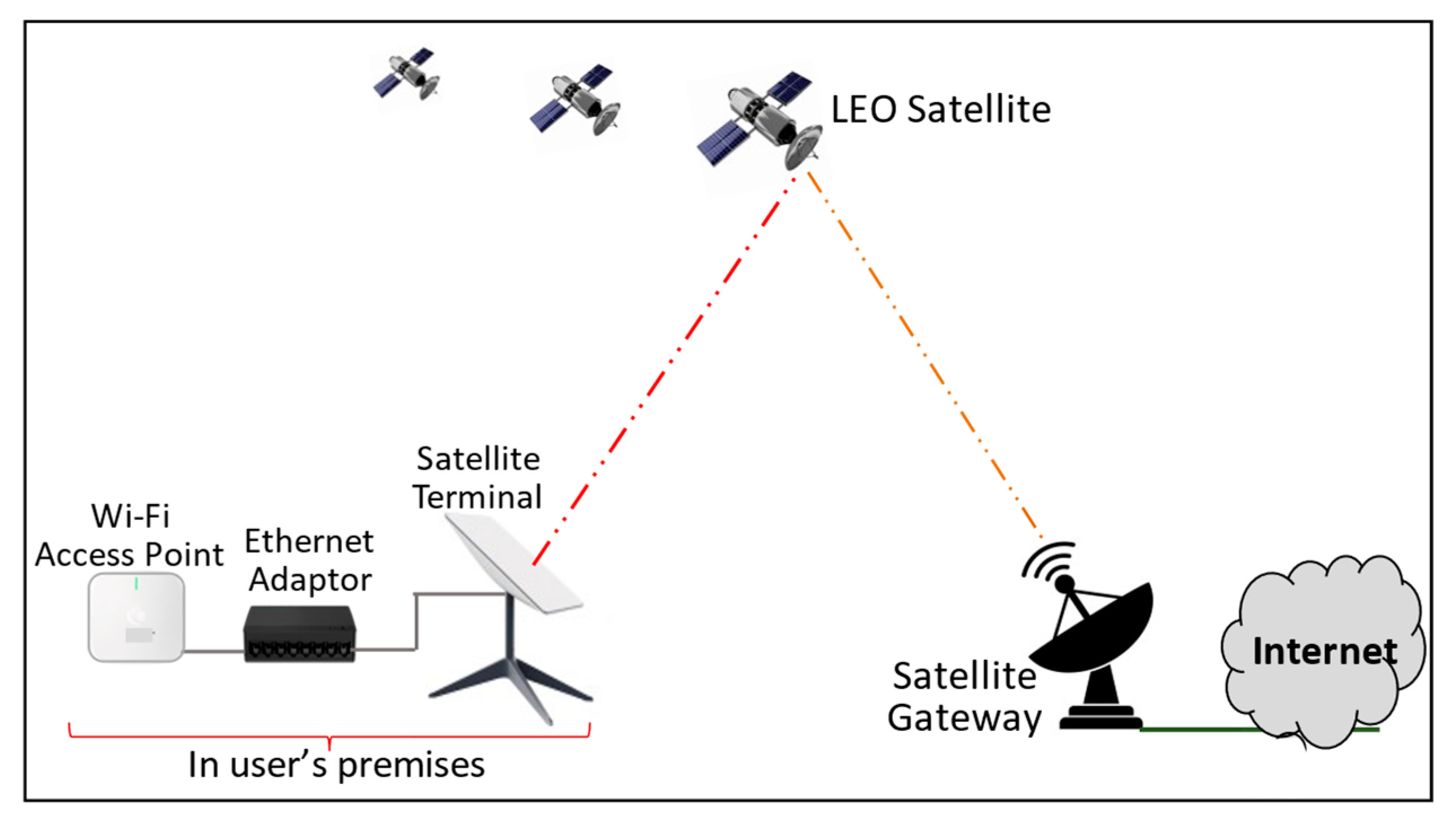
Starlink, a satellite internet service developed by SpaceX, aims to provide high-speed internet access using a constellation of low Earth orbit (LEO) satellites.
Unlike traditional internet infrastructure, which relies on fiber-optic cables and ground-based towers, Starlink delivers connectivity directly from space. This makes it particularly valuable in regions where building physical infrastructure is difficult or expensive.
Key Benefits of Starlink Satellite Internet
- High-speed broadband in remote areas
- Low latency compared to traditional satellite services
- Rapid deployment without extensive ground infrastructure
- Potential to bridge the digital divide
In Africa, where many rural communities lack reliable internet access, Starlink has been seen as a transformative solution.
Why Namibia Rejected the Starlink Licence Request
 Namibia regulator rejects Starlink licence request due to regulatory and compliance considerations that are becoming increasingly common across the continent.
Although the authorities did not publicly disclose all details, several key factors are widely believed to have influenced the decision.
1. Local Ownership Requirements
One of the most significant issues is Namibia’s requirement for local ownership in telecommunications companies.
Many African countries have policies that mandate:
- Partial local ownership
- Partnerships with domestic entities
- Compliance with national economic frameworks
These rules are designed to ensure that foreign investments contribute to local economies.
2. Regulatory Compliance Challenges
Operating a telecommunications service requires strict adherence to national regulations, including:
- Licensing procedures
- Spectrum allocation
- Data protection laws
Failure to meet these requirements can result in application rejection.
3. Control Over National Infrastructure
Governments are increasingly concerned about maintaining control over critical infrastructure.
Satellite internet services, while innovative, operate outside traditional systems, raising questions about:
- Data sovereignty
- Monitoring capabilities
- National security
Digital Sovereignty and Africa’s Tech Future
 Namibia regulator rejects Starlink licence request in a broader context of digital sovereignty—a concept gaining traction worldwide.
Digital sovereignty refers to a nation’s ability to control its digital infrastructure, data, and online services.
Why Countries Are Prioritizing Digital Sovereignty
- Protect national security
- Ensure local economic participation
- Regulate data flows
- Reduce reliance on foreign tech companies
Namibia’s decision aligns with this global shift.
Impact on Internet Access in Namibia
The rejection of Starlink’s licence request has both immediate and long-term implications.
Short-Term Effects
- Continued reliance on existing providers
- Limited access in remote regions
- Slower expansion of high-speed internet
Long-Term Considerations
- Potential for revised applications
- Opportunities for local telecom development
- Increased government oversight
Comparing Namibia to Other African Countries
Namibia is not alone in facing challenges related to Starlink’s expansion.
Regional Trends
- Some countries have approved Starlink with conditions
- Others have delayed or rejected applications
- Regulatory frameworks vary widely
Example of Global Expansion Pressure
Starlink is expanding rapidly, but must adapt to local regulations in each market.
Global Implications of the Decision
Namibia regulator rejects Starlink licence request sends a signal to global tech companies:
👉 Compliance with local laws is essential
This decision reinforces the importance of:
- Regulatory alignment
- Local partnerships
- Transparent operations
Business and Economic Impact
Challenges for Starlink
- Delayed market entry
- Need for strategic adjustments
- Increased regulatory scrutiny
Opportunities for Local Industry
- Growth of domestic telecom providers
- Investment in infrastructure
- Job creation
Public Reaction and Industry Perspective
Reactions to the decision have been mixed.
Supporters Say
- It protects national interests
- Encourages local participation
- Strengthens regulatory control
Critics Say
- It limits innovation
- Slows internet expansion
- Reduces competition
As Africa continues to evolve technologically, similar developments are happening globally. For example, Europe is also investing in independent software ecosystems—read our full analysis on: Europe creating an alternative to Microsoft Office↗️.
The Future of Satellite Internet in Africa
Despite the setback, satellite internet remains a key part of Africa’s digital future.
Expected Trends
- Increased collaboration between governments and tech companies
- Development of hybrid connectivity models
- Stronger regulatory frameworks
For official information on satellite internet and global connectivity initiatives, visit: Starlink↗️
Executive Summary
Namibia regulator rejects Starlink licence request, highlighting the growing importance of regulatory compliance and digital sovereignty in the global technology landscape. While the decision may slow Starlink’s expansion in Namibia, it underscores the need for collaboration between governments and technology providers.
The rejection of Starlink’s licence request in Namibia represents more than just a regulatory decision—it reflects a broader shift in how countries approach technology, infrastructure, and sovereignty.
As the digital world continues to evolve, the balance between innovation and control will remain a defining challenge for governments and companies alike.
For readers, businesses, and policymakers, this case serves as a powerful reminder that the future of connectivity is not just about technology—it is also about governance, trust, and strategic alignment.