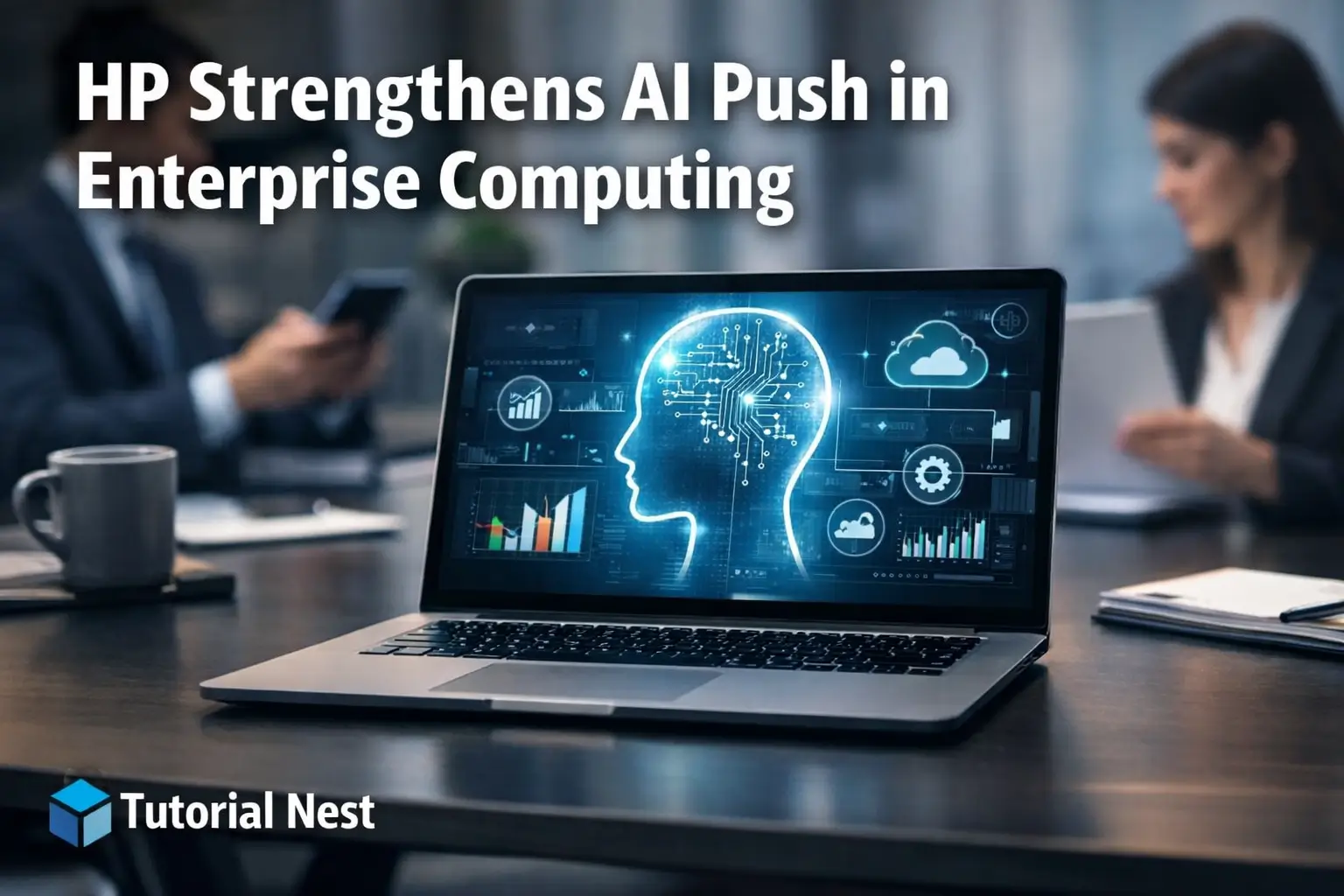
HP Strengthens AI Push in Enterprise Computing
By Tutorial Nest Editorial Team
Published: March 25, 2026
HP Strengthens AI Push in Enterprise Computing
 HP strengthens AI push in enterprise computing as the global race to integrate artificial intelligence into everyday business tools accelerates. The company is positioning itself at the forefront of a new technological era, where computers are no longer just passive devices but intelligent systems capable of assisting, optimizing, and automating workflows.
In recent announcements, HP introduced a new generation of AI-powered enterprise PCs alongside advanced software layers designed to enhance productivity, streamline operations, and redefine how professionals interact with technology. This strategic move reflects a broader industry trend, as major technology companies compete to lead the next wave of computing innovation.
For businesses, this transformation represents both an opportunity and a challenge. While AI integration promises efficiency gains and smarter workflows, it also raises questions about security, implementation, and long-term impact.
Understanding the Rise of AI in Enterprise Computing
Artificial intelligence is rapidly becoming a core component of enterprise computing. Companies are no longer treating AI as an optional feature but as an essential capability that drives performance and competitiveness.
Why AI Is Transforming Enterprise Technology
Several factors are fueling this shift:
- Increasing demand for automation
- Growth of data-driven decision-making
- Need for enhanced productivity tools
- Expansion of remote and hybrid work environments
AI enables systems to process vast amounts of information, identify patterns, and provide actionable insights in real time. This allows businesses to operate more efficiently and make better decisions.
HP’s Strategy: Integrating AI Into Enterprise PCs

Key Elements of HP’s AI Strategy
- Development of AI-powered PCs
- Introduction of intelligent software layers
- Focus on on-device AI processing
- Integration with enterprise applications
Unlike traditional approaches that rely heavily on cloud computing, HP is emphasizing on-device AI, enabling faster processing and improved data privacy.
What Are AI PCs and How Do They Work?
AI PCs represent a new category of computing devices designed to handle artificial intelligence tasks locally.
Core Features of AI PCs
- Built-in Neural Processing Units (NPUs)
- Optimized performance for AI workloads
- Enhanced energy efficiency
- Real-time processing capabilities
These features allow AI PCs to perform tasks such as:
- Speech recognition
- Image processing
- Predictive analytics
- Workflow automation
By processing data locally, AI PCs reduce latency and improve responsiveness.
The Role of Intelligent Software Layers
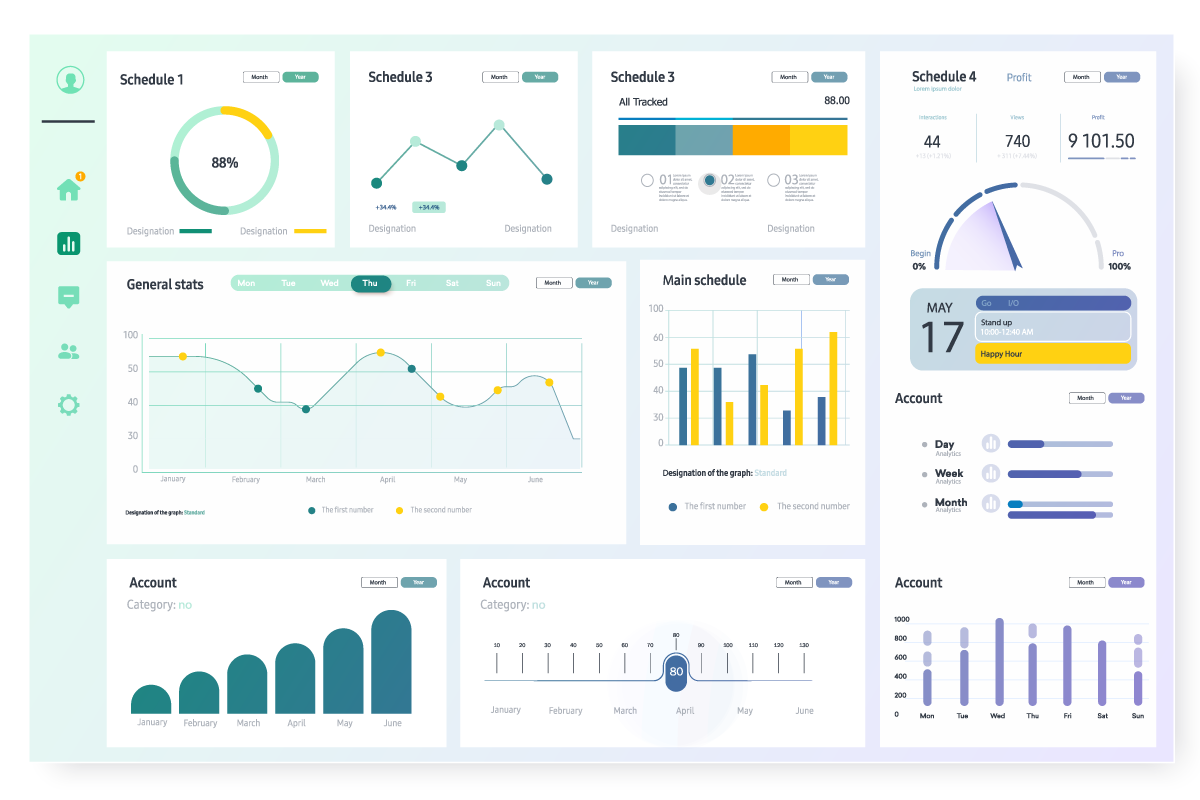 A major component of HP’s strategy is the introduction of intelligent software layers that sit on top of the operating system.
What This Means for Users
These AI layers can:
- Automate repetitive tasks
- Provide contextual suggestions
- Manage workflows intelligently
- Enhance collaboration tools
Instead of relying solely on user input, the system actively assists and adapts to user behavior.
Benefits of AI Integration in Enterprise Computing
HP strengthens AI push in enterprise computing to deliver tangible benefits for businesses.
1. Increased Productivity
AI tools can handle routine tasks, allowing employees to focus on more strategic work.
2. Improved Decision-Making
AI systems analyze data and provide insights that support better decisions.
3. Enhanced User Experience
Personalized interfaces adapt to user preferences and workflows.
4. Cost Efficiency
Automation reduces operational costs over time.
Challenges and Considerations
Despite its advantages, AI integration also presents challenges.
Security Concerns
- Protecting sensitive data
- Preventing unauthorized access
Implementation Complexity
- Integration with existing systems
- Employee training
Ethical Considerations
- Transparency in AI decisions
- Bias in algorithms
Businesses must address these issues to fully benefit from AI technologies.
Competition Intensifies in the AI PC Market
HP is not alone in this space. Other major companies are also investing heavily in AI-driven computing.
Key Competitors
- Dell
- Lenovo
- Microsoft
- Apple
Each company is developing its own approach to AI integration, leading to intense competition.
As AI continues to reshape enterprise technology, it is also influencing broader digital ecosystems. For example, global infrastructure changes are impacting how technology evolves—read our analysis on Europe creating an alternative to Microsoft Office:
https://tutorialnest.co.za/europe-creates-alternative-to-microsoft-office/
The Future of Work in an AI-Driven Environment
HP strengthens AI push in enterprise computing as part of a larger transformation in how work is performed.
Key Trends
- Automation of repetitive tasks
- Increased reliance on AI assistants
- Hybrid work environments
- Data-driven workflows
These changes are redefining job roles and skill requirements.
Impact on Businesses and Industries
Different industries will experience AI integration in unique ways.
Healthcare
- Improved diagnostics
- Faster data analysis
Finance
- Fraud detection
- Risk management
Manufacturing
- Predictive maintenance
- Process optimization
For official details on HP’s enterprise solutions, visit:
https://www.hp.com/
For insights into AI and enterprise computing trends, explore:
https://www.microsoft.com/en-us/ai
Executive Summary
HP strengthens AI push in enterprise computing by introducing AI-powered PCs and intelligent software layers that enhance productivity, efficiency, and decision-making. This move reflects a broader industry trend toward integrating artificial intelligence into core business operations.
The integration of AI into enterprise computing marks a turning point in the evolution of technology. As companies like HP lead the way, businesses must adapt to a rapidly changing landscape where intelligence is embedded into every layer of computing.
While challenges remain, the potential benefits of AI-driven systems are undeniable. Organizations that embrace this transformation will be better positioned to compete in an increasingly digital world.