
Cybersecurity Experts Warn That Traditional Passwords Are Failing
By Tutorial Nest Editorial Team
Published: March 28, 2026
Why Traditional Passwords Are Failing in Cybersecurity
Cybersecurity experts warn that traditional passwords are failing, and this growing concern is changing the way people and organizations think about digital protection. For many years, passwords were considered the first and most important barrier between users and cybercriminals. Today, however, modern cyber threats have become more advanced, more automated, and far more effective at bypassing weak or reused credentials.
Traditional passwords are failing because they depend too heavily on human behavior. People often create passwords that are easy to remember, but that also makes them easier to guess, steal, or crack. At the same time, attackers are using more sophisticated phishing campaigns, automated credential stuffing tools, and large-scale data breaches to exploit common password weaknesses. As a result, relying only on a password is no longer enough in many modern digital environments.
Many cybersecurity professionals now argue that the future of digital protection lies in stronger authentication models, such as passkeys, biometrics, and multi-factor authentication. While passwords are still widely used, their weaknesses are becoming too serious to ignore. Understanding why this shift is happening is essential for anyone who wants to stay secure online.
The History of Password-Based Security
Passwords have been part of digital security for decades. In the early days of computing, they were considered practical, low-cost, and easy to implement. They offered a simple method of confirming identity and limiting access to systems, files, and networks.
At that time, the internet was smaller, cybercrime was less industrialized, and users had fewer online accounts. A single password often seemed sufficient. But as digital life expanded, users began maintaining logins for email, banking, shopping, cloud services, social media, work systems, and mobile apps. This explosion of accounts created a new problem: password overload.
The more accounts people created, the harder it became to manage strong, unique passwords for every service. This led to poor habits such as reusing the same password, choosing simple combinations, or storing credentials in insecure ways. While passwords once made sense as a basic protection layer, the internet evolved faster than the security model behind them.
Today, passwords remain common largely because they are familiar, not because they are ideal. That is why many experts now see them as outdated in a world shaped by advanced cyberattacks and constant data exposure.
Why Traditional Passwords Are Failing
The main reason traditional passwords are failing is that they are vulnerable both technically and behaviorally. The problem is not always the password system itself, but how easily it can be exploited.
Weak Password Choices
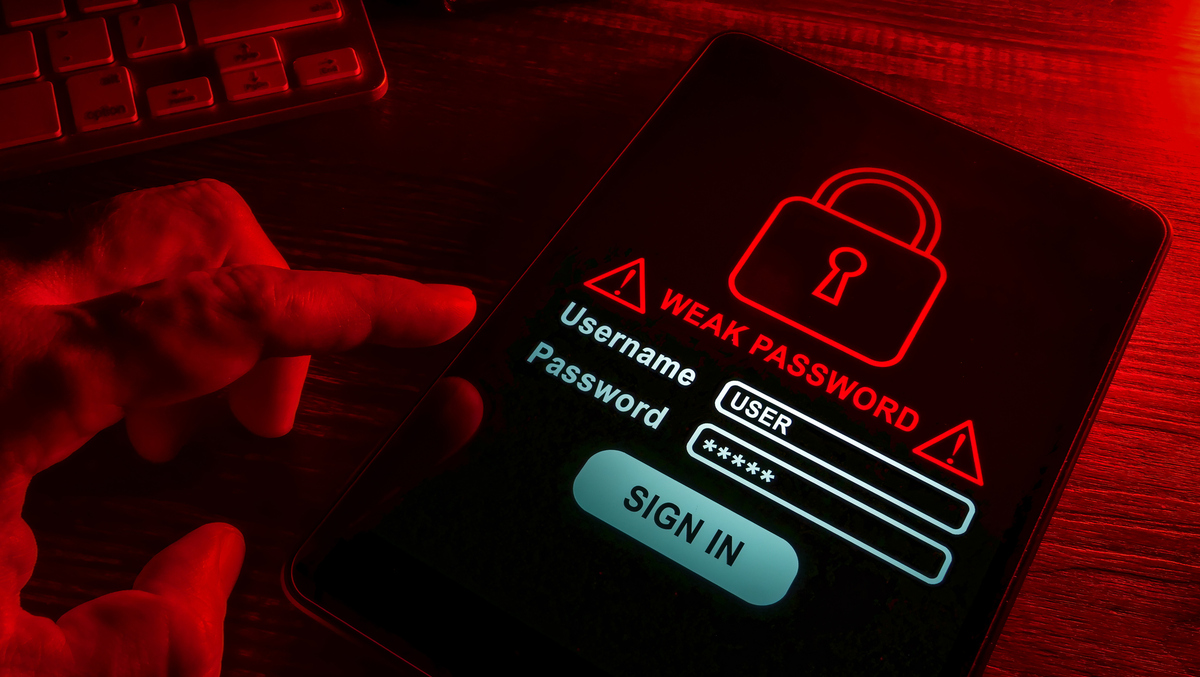
A large number of users still choose passwords that are simple and predictable. Common examples include names, birthdays, repeated numbers, or popular sequences like “123456.” These are among the first combinations attackers test during automated login attempts.
Password Reuse
Many users recycle the same password across multiple accounts. This means that if one platform suffers a data breach, attackers can reuse those credentials elsewhere. A single compromised password can suddenly expose email, banking, work tools, and personal messaging accounts.
Phishing and Social Engineering
Even strong passwords can fail if the user is tricked into revealing them. Phishing emails, fake login pages, and social engineering schemes are highly effective because they target human trust rather than technical flaws.
Automated Attacks
Cybercriminals now use bots and scripts that can test massive numbers of credentials quickly. Credential stuffing and brute-force attacks have made password-only systems much easier to break at scale.
Human Memory Limits
People are not naturally good at managing dozens of complex, unique passwords. That limitation leads to shortcuts, and those shortcuts create security weaknesses.
Together, these factors explain why traditional passwords are failing in today’s cybersecurity environment.
The Risks of Relying Only on Passwords
When passwords are the only layer of defense protecting digital accounts, systems, and sensitive information, the consequences of a breach can be severe and far-reaching. As cybersecurity experts warn that traditional passwords are failing, it becomes increasingly clear that relying solely on this method exposes users to significant risks in today’s threat landscape.
A compromised password can lead to a wide range of serious issues, including:
- Identity theft: Attackers can gain access to personal accounts and impersonate users, opening new accounts, committing fraud, or accessing confidential data.
- Financial fraud: Banking credentials, payment platforms, and online wallets can be exploited, resulting in direct financial losses.
- Data loss: Important files, personal information, and sensitive documents may be stolen, deleted, or exposed.
- Unauthorized surveillance: Hackers can access emails, private messages, or cloud storage, compromising user privacy.
- Damage to business operations: For organizations, a breach can disrupt workflows, compromise systems, and halt critical operations.
- Reputational harm: Loss of customer trust and brand credibility can have long-term consequences, especially for businesses handling sensitive user data.
For individuals, the impact of a password breach can be deeply personal.
It may involve stolen funds, locked or hijacked accounts, or the exposure of private conversations and sensitive information. In many cases, recovering from such incidents can take time, effort, and additional financial cost.
For businesses, however, the consequences are often much larger. A single compromised account can lead to data breaches affecting thousands or even millions of users. This can result in legal penalties, regulatory violations, financial losses, and lasting damage to the organization’s reputation. In highly competitive industries, even a small security incident can undermine customer confidence and lead to significant business setbacks.
One of the most dangerous aspects of relying only on passwords is that breaches often occur without immediate detection. Password-based security can fail silently. Attackers using stolen credentials may log in as legitimate users, bypassing many security checks without raising suspicion. This allows them to remain undetected while accessing data, monitoring activity, or escalating their privileges within a system.
Additionally, password vulnerabilities are often linked to human behavior. Users frequently reuse passwords across multiple platforms, choose weak combinations, or fall victim to phishing attacks. This makes it easier for attackers to exploit a single point of failure and gain access to multiple accounts.
Because of these risks, cybersecurity experts strongly emphasize the need for stronger authentication methods. Relying only on passwords is no longer considered a safe or sustainable approach to digital security. Instead, layered protection strategies—such as multi-factor authentication, biometrics, and passwordless technologies—are becoming essential.
In today’s digital environment, security must go beyond a single line of defense. Understanding the risks of password-only protection is the first step toward building a more resilient and secure system for both individuals and organizations.
Why Human Behavior Makes Password Security Worse
One of the biggest reasons traditional passwords are failing is that they place too much responsibility on the user. Security systems work best when they reduce human error, but passwords often do the opposite.
Users are expected to create strong credentials, remember them, avoid reusing them, recognize phishing attempts, and change them when needed. In theory, this sounds manageable. In practice, it becomes exhausting.
People tend to choose convenience over complexity. They use short passwords, repeat passwords across platforms, or save credentials in browsers and notes without proper protection. Even users who understand cybersecurity risks often fall into these habits because the login burden is so high.
This is why experts increasingly say password security is not just a technical issue. It is a design issue. A good security system should support users, not depend on them to behave perfectly every day.
How Cybercriminals Exploit Password Weaknesses
Attackers do not need to break every system from scratch. In many cases, they simply exploit known weaknesses in password habits.
A common method is credential stuffing, where leaked username-and-password pairs from one breach are tested on many other services. If the victim reused the same password, the attack succeeds.
Phishing remains another major tool. Criminals build fake pages that look almost identical to trusted websites. Once a user enters their password, the attacker captures it instantly.
Brute-force tools and password dictionaries also remain effective against weak credentials. These attacks are even more dangerous when websites do not limit repeated login attempts.
The reality is that attackers do not see passwords as barriers anymore. They see them as opportunities.
As digital security becomes more important across platforms, messaging privacy is also evolving. Read our guide on Locked Chats on WhatsApp to understand how modern apps are improving personal protection:
https://tutorialnest.co.za/locked-chats-whatsapp/
Better Alternatives to Traditional Passwords
Cybersecurity experts warn that traditional passwords are failing because modern digital environments require stronger, smarter, and more resilient authentication methods. As cyber threats continue to evolve, relying solely on passwords is no longer sufficient to protect sensitive data and online identities. This has led to the rapid adoption of more advanced security solutions designed to reduce human error and strengthen account protection.
One of the most widely used alternatives is Multi-Factor Authentication (MFA). This method adds an extra layer of security by requiring users to verify their identity through a second factor, such as a one-time code sent to a smartphone or generated by an authentication app. Even if a password is compromised, unauthorized access becomes much more difficult.
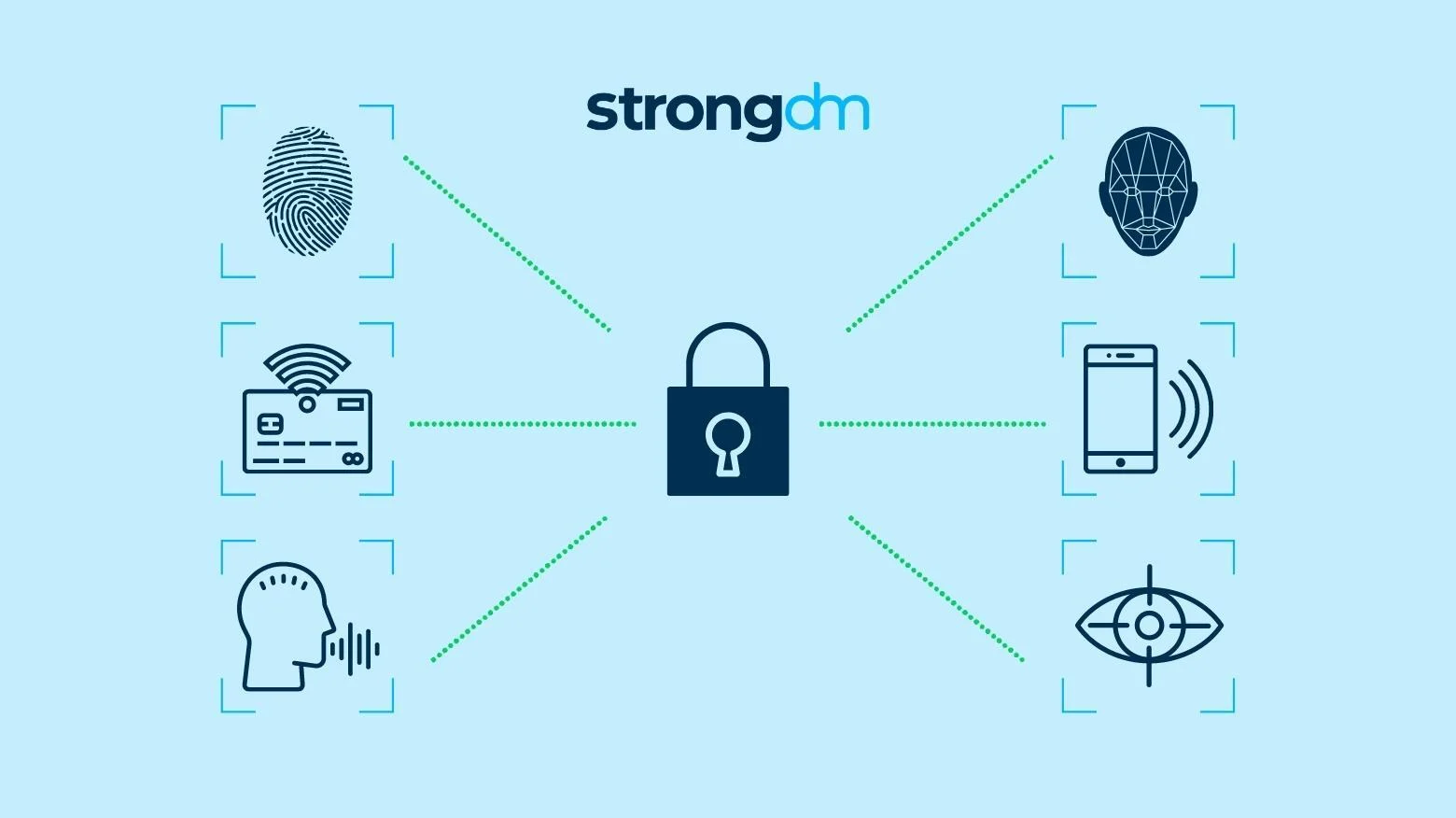
Another powerful option is biometric authentication, which includes fingerprint scanning and facial recognition. These methods eliminate the need to remember complex passwords and provide a more seamless user experience. While not completely immune to attacks, biometrics offer a higher level of convenience and security when properly implemented.
Passkeys are emerging as one of the most promising passwordless technologies. They rely on secure cryptographic keys stored on trusted devices and often combined with biometric verification. This approach significantly reduces the risk of phishing and credential theft.
Additionally, hardware security keys provide a physical layer of protection. These small devices must be connected or tapped during login, making them highly resistant to remote attacks. They are especially valuable for professionals handling sensitive information.
Together, these alternatives represent the future of authentication, offering stronger protection and reducing the risks associated with traditional password-based systems.
The Future of Authentication
The future of authentication is rapidly evolving as cybersecurity experts warn that traditional passwords are failing to meet the demands of modern digital environments. As cyber threats become more sophisticated, organizations and technology providers are shifting toward authentication systems that combine stronger security with greater convenience for users.
In the coming years, more platforms are expected to adopt advanced authentication methods that reduce reliance on passwords. Among the most promising solutions are passkeys, which use secure cryptographic credentials stored on trusted devices. These eliminate the need for users to remember passwords and significantly reduce the risk of phishing attacks.
Another major trend is the widespread use of biometric sign-ins, including fingerprint scanning and facial recognition. These methods offer a faster and more user-friendly way to authenticate identity while maintaining a high level of security.
Additionally, adaptive risk-based login systems are becoming more common. These systems analyze user behavior, location, and device information to determine whether a login attempt is legitimate. If unusual activity is detected, additional verification steps are triggered.
Hardware-backed authentication is also gaining traction, particularly in enterprise environments. Physical security keys and device-based authentication provide an extra layer of protection against remote attacks.
Finally, passwordless enterprise security is emerging as a long-term goal for many organizations. By removing passwords entirely, companies can reduce vulnerabilities associated with human error and credential theft.
Despite these advancements, passwords will not disappear overnight.
They remain deeply integrated into many systems and will likely continue to exist as a secondary or backup authentication method. However, their importance is steadily declining.
Organizations that adopt these modern authentication methods early will be better prepared to defend against future threats, while users who embrace these technologies will significantly reduce their exposure to common cyberattacks.
According to official cybersecurity guidelines, users should adopt stronger authentication methods to protect their accounts. Learn more from CISA:
https://www.cisa.gov/cybersecurity
Executive Summary
 Cybersecurity experts warn that traditional passwords are failing because the digital landscape has evolved far beyond what password-based security was originally designed to handle. What once seemed like a practical and effective solution is now increasingly fragile in a world dominated by phishing kits, automated attacks, credential leaks, and large-scale data breaches.
As cybercriminals become more advanced, relying solely on passwords exposes both individuals and organizations to significant risks. Weak password habits, reuse across multiple platforms, and human error further amplify these vulnerabilities, making password-only protection insufficient in today’s environment.
However, the solution is not panic—it is progress. Stronger authentication methods are already available and becoming easier to adopt. Technologies such as multi-factor authentication (MFA), biometric verification, passkeys, and hardware-based security are transforming how users protect their digital identities.
Digital security is no longer just about creating a strong password. It now requires building a layered system focused on identity verification, user behavior, and resilience against evolving threats.
For both users and businesses, the smartest approach is to move beyond traditional passwords and adopt modern security practices. By doing so, they can significantly reduce exposure to cyberattacks and ensure a safer, more reliable digital experience.