
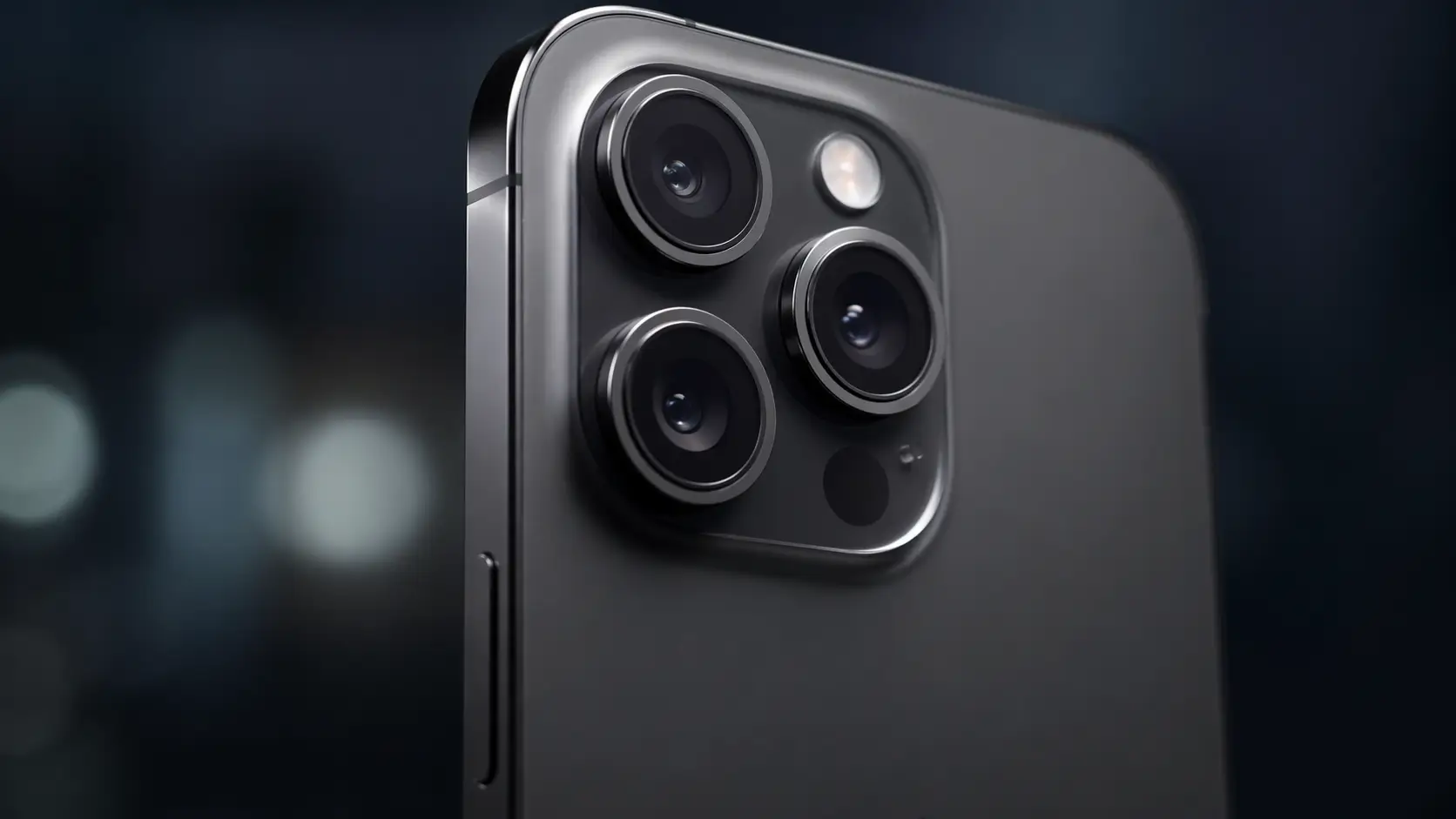

Apple testing 200MP telephoto camera for a future iPhone upgrade sounds like the kind of headline that grabs attention immediately, and honestly, it should. A jump like this feels huge on the surface. But the real story goes deeper than megapixels. Apple does not usually chase numbers just to look impressive on a spec sheet. When the company tests something like a 200MP telephoto sensor, it usually points to a more serious question: can this improve the real iPhone camera experience in a way users will actually notice?
That matters because telephoto photography still has limits. Zoom shots on smartphones can look impressive in marketing, but real-world use often tells a different story. Detail drops. Low-light performance weakens. Digital zoom starts to fall apart. So when you hear about Apple testing 200MP telephoto camera, the important part is not the number alone. The important part is what Apple may be trying to solve.
Apple often moves differently from other brands. Competitors usually push high numbers first and explain the benefits later. Apple tends to wait, test, refine, and only move when the result fits its broader camera strategy. That is why this report feels more interesting than a normal rumor. It suggests Apple may be exploring a more serious zoom upgrade rather than simply joining the megapixel race.
Why this rumor matters more than it first appears
This is where people need to stay grounded. Testing does not mean launching. Apple experiments with many ideas behind the scenes, and not all of them reach a final product. So yes, Apple testing 200MP telephoto camera is a real signal that something is being explored, but it is not proof that a future iPhone will definitely include it.
That distinction matters because too many people read “testing” and hear “confirmed.” Those are not the same thing. The smarter way to read this story is simple: Apple may be working on a major zoom upgrade, but the company still has to prove that the technology improves image quality, processing, and usability before it ever reaches users.
Why Apple Is Testing a 200MP Telephoto Camera
The report about Apple testing 200MP telephoto camera matters because Apple rarely moves this way without a practical reason. The company usually avoids chasing camera trends just to match competitors on paper. While other brands rushed into 108MP and 200MP sensors years ago, Apple stayed focused on consistency, image processing, and real-world camera performance. That difference tells us a lot.
This is not just about joining the megapixel race late. It is about solving a specific weakness in smartphone photography. Zoom still creates problems, even on premium iPhones. Once you move beyond the core camera, detail starts to drop, sharpness becomes less reliable, and low-light results can look weaker than users expect. That is where a higher-resolution telephoto sensor starts to make sense.
A 200MP sensor could give Apple more usable image data. That would improve cropping, preserve more detail at longer zoom ranges, and strengthen hybrid zoom performance. In simple terms, the phone could zoom further without making the image fall apart as quickly. That would matter far more than the number alone.
So when you hear Apple testing 200MP telephoto camera, the smarter interpretation is this: Apple wants better zoom performance, not just a bigger spec for marketing. The company likely sees a chance to improve image quality in a way users actually notice. If the hardware and software work together correctly, this could become one of the biggest camera upgrades in a future iPhone.
What a 200MP Telephoto Camera Could Actually Improve
When you hear about Apple testing 200MP telephoto camera, the first reaction is usually simple: more megapixels must mean better photos. That sounds logical, but it is not always true. In many cases, higher megapixels do not automatically improve image quality. However, telephoto lenses are one of the few areas where extra resolution can actually make a real difference.
The reason comes down to how zoom works on smartphones. Optical zoom has limits because of the physical lens. Once you go beyond that range, the phone relies on digital zoom, which often reduces quality. That is where a 200MP sensor becomes useful. It captures a much larger amount of image data, which gives the system more flexibility when zooming and cropping.
Better Zoom Detail
A 200MP sensor records far more detail than traditional telephoto cameras. That allows the phone to crop into an image while keeping sharpness and clarity. In real-world use, this means clearer long-distance shots and better results when you zoom in beyond the optical range.
You also get improved digital zoom because the system has more information to work with. Instead of stretching a smaller image, the phone can use high-resolution data to maintain quality. That reduces blur and keeps textures more defined.
Another important benefit is less loss of detail. Fine elements like text, distant objects, or small patterns remain more visible. That is where the upgrade becomes noticeable.
So when you see Apple testing 200MP telephoto camera, the real improvement is not just the number. It is how that extra data helps preserve detail and make zoom photography more reliable.
Stronger Hybrid Zoom
When you look at Apple testing 200MP telephoto camera, one of the biggest advantages appears in hybrid zoom. Apple already relies on software to extend zoom beyond the limits of the lens. That system works well today, but it still depends on the amount of detail captured by the sensor. With a 200MP telephoto sensor, that limitation becomes much smaller.
Hybrid zoom combines optical zoom from the lens with digital processing from the software. The more data the sensor captures, the better the final result. A higher-resolution sensor gives the system more information to work with, which helps maintain sharpness even when zooming further than the optical range.
In practical use, this means smoother transitions between zoom levels and more consistent image quality. Instead of seeing a sudden drop in detail, the image stays clearer as you zoom in. That creates a more reliable experience, especially for distant subjects.
This is where the upgrade becomes interesting. Apple does not need to rely only on hardware or only on software. By combining both, the company can push zoom performance further without making the experience feel artificial or unstable.
Improved Image Processing
When you consider Apple testing 200MP telephoto camera, the real power does not come from the sensor alone. It comes from how Apple processes the image. Apple has built its camera system around computational photography, which means software plays a major role in the final result. A higher-resolution sensor gives that software more data to work with, and that changes what the system can achieve.
With more image data available, HDR performance can improve because the phone can better balance highlights and shadows. Texture detail also becomes more accurate, especially in complex scenes where small elements often get lost. Image clarity benefits as well, since the system can refine edges and reduce noise more effectively.
But this only works if Apple optimizes everything correctly. A powerful sensor without proper processing can actually create worse results, including slower performance or inconsistent images. That is why the phrase Apple testing 200MP telephoto camera matters in context. Apple is not just testing hardware. The company is testing how hardware and software work together to produce a better photo experience.
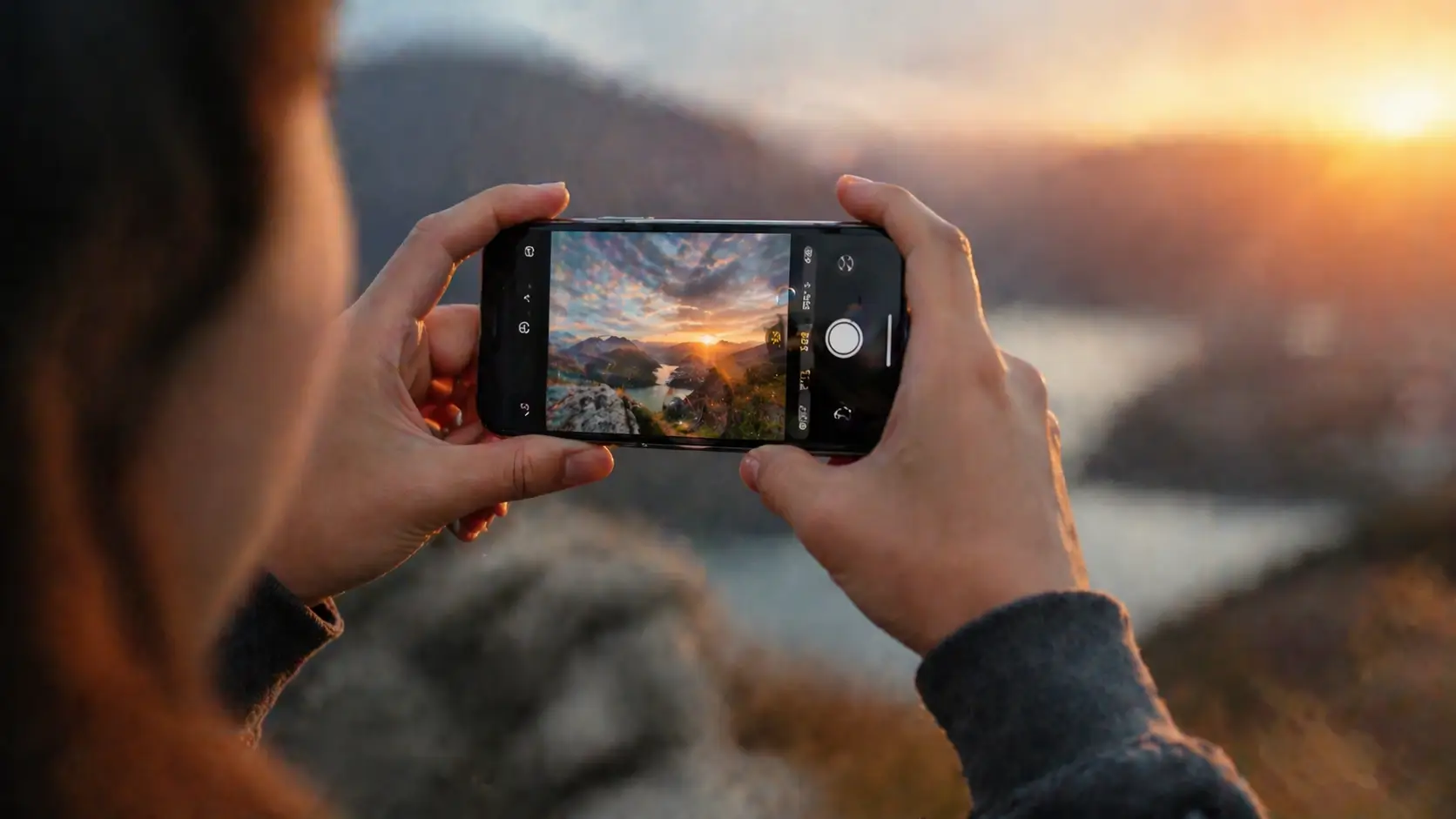
Apple’s camera upgrades are not happening in isolation. They are part of a broader push toward smarter devices, as seen in the Siri interface in iOS 27, where Apple is focusing on deeper AI integration.
The Reality Behind Apple’s 200MP Telephoto Camera Testing
Now let’s be honest. The headline Apple testing 200MP telephoto camera sounds impressive, but more megapixels do not automatically mean better photos. That is the part most people miss. A 200MP sensor can help in certain situations, but it can also introduce new problems if the system is not handled correctly.
First, larger file sizes become an issue. High-resolution images take more storage space and require more processing power. That can slow down the camera experience if the device cannot manage the data efficiently. Nobody wants a powerful camera that feels slow when capturing or saving photos.
Second, processing becomes more demanding. The phone needs to handle more information for every shot, which can affect speed and consistency. If the software does not keep up, results may become inconsistent, especially in complex scenes.
Third, low-light performance can suffer. More megapixels often mean smaller individual pixels, unless the sensor size increases as well. Smaller pixels capture less light, which can reduce image quality in darker conditions. This is one of the biggest trade-offs in high-resolution sensors.
Apple understands these challenges. That is why the phrase Apple testing 200MP telephoto camera should be seen as a careful exploration, not a rushed decision. Apple will not release this type of upgrade unless it improves real-world photography. The company focuses on balance, not just numbers, and that is what makes this situation more interesting than a simple spec upgrade.
Why Apple Is Late to the Megapixel Race
When you hear about Apple testing 200MP telephoto camera, the first question is obvious: why now? Other brands, especially Samsung, have already pushed 200MP sensors into the market. Apple clearly chose a different path, and that decision was not accidental.
Apple does not prioritize specs first. The company focuses on consistency, color accuracy, and real-world usability. That means delivering results that feel reliable in everyday situations, not just impressive in controlled conditions or marketing demos. A camera that performs well across different lighting conditions and scenarios matters more than a high number on paper.
Apple also tends to wait until technology matures. Early adoption often comes with trade-offs, especially in areas like processing speed, battery usage, and image stability. By waiting, Apple can refine the technology, optimize software integration, and ensure the experience feels seamless.
That is likely what is happening with Apple testing 200MP telephoto camera. Instead of rushing to match competitors, Apple is studying how to make the upgrade meaningful. If they move forward, it will not be to follow the trend. It will be to deliver a more balanced and reliable camera system.
When Apple’s 200MP Telephoto Camera Could Actually Launch
This is where expectations need to stay realistic. The headline about Apple testing 200MP telephoto camera sounds exciting, but there is no official confirmation from Apple. Right now, everything points to an internal testing phase, which means the company is still evaluating whether this upgrade makes sense in real-world use.
Most reports suggest two things. First, Apple is actively testing the technology. Second, a future integration is possible, but not guaranteed. That distinction matters. Apple often explores new features for years before deciding if they are ready for consumers.
Some analysts mention timelines like 2027 or 2028, but those are predictions, not confirmed plans. Apple does not follow strict public timelines for experimental features. The company tests, refines, and only moves forward when the result meets its standards.
It is also important to remember that Apple tests many ideas that never reach final products. So when you see Apple testing 200MP telephoto camera, the correct mindset is simple: this is a strong possibility, not a confirmed release.
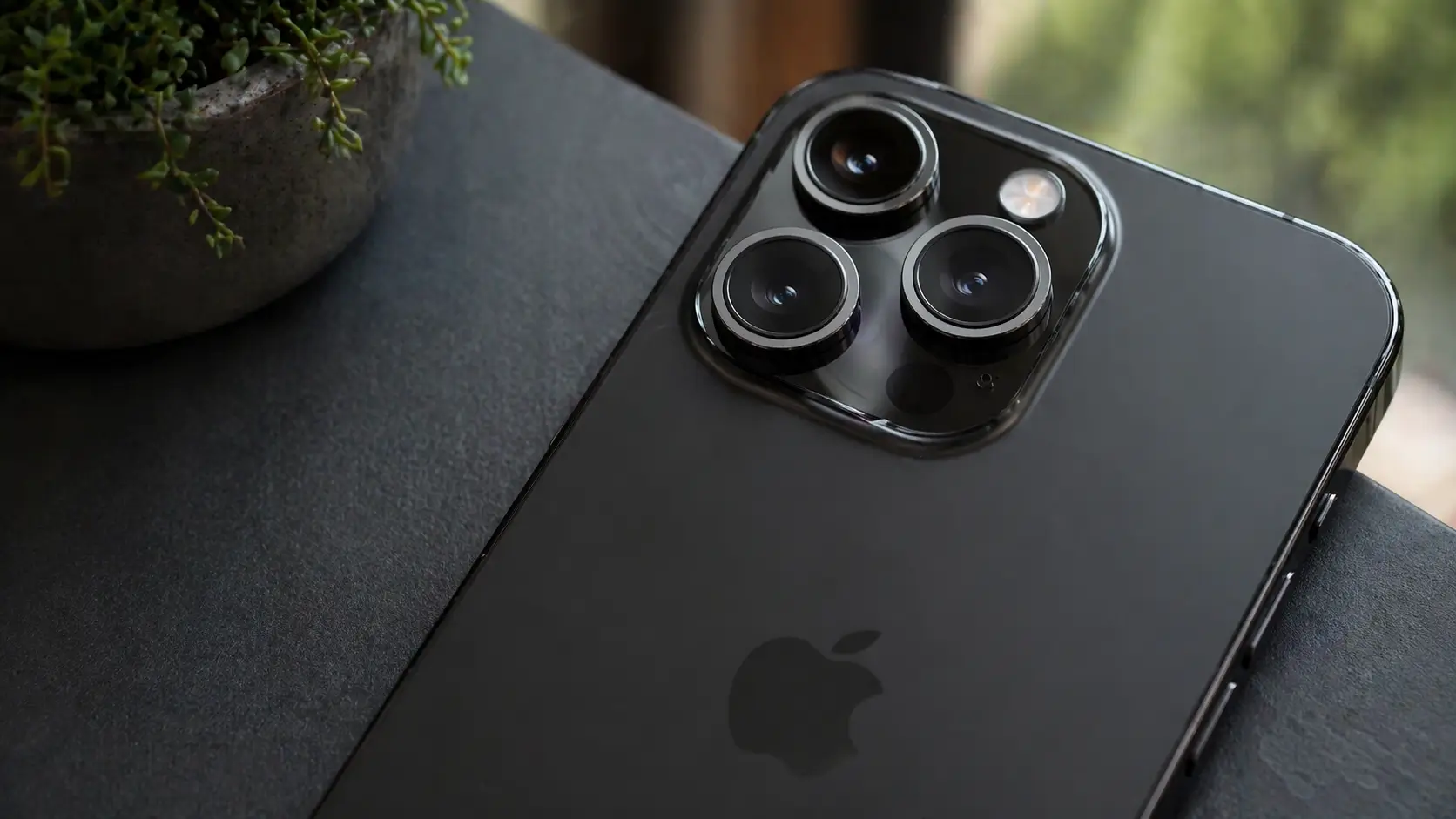
What Apple’s 200MP Telephoto Camera Means for iPhone Users
If Apple testing 200MP telephoto camera turns into a real product, the way people use their iPhone cameras could change in a meaningful way. This is not just about adding another spec. It is about expanding what the iPhone can actually do in everyday situations.
Right now, many users still rely on dedicated cameras for serious zoom photography. Travel shots, wildlife images, and long-distance capture often push smartphones to their limits. A stronger telephoto system could reduce that gap. With more detail and better zoom performance, users could rely more on their iPhone without needing extra gear.
This would make the device far more versatile. You could capture distant subjects with more confidence, keep better detail, and use zoom more often without worrying about quality dropping too quickly. That kind of improvement changes how people approach photography on a daily basis.
But it all depends on execution. The phrase Apple testing 200MP telephoto camera only becomes meaningful if Apple delivers real-world improvements. Hardware alone does not guarantee better results. The balance between sensor, processing, and usability will decide whether this upgrade truly matters.
The Bigger Strategy Behind Apple’s 200MP Telephoto Camera Upgrade
This is not just about a camera upgrade. When you look at Apple testing 200MP telephoto camera, you start to see a bigger strategy forming. Apple is not improving the camera in isolation. The company is turning the iPhone into a complete content creation tool.
You can already shoot cinematic video, edit photos at a professional level, and create content for social platforms directly on the device. That level of integration changes how people work. Many creators no longer need separate cameras, editing tools, or complex setups.
A stronger telephoto system fits perfectly into this direction. It expands what creators can capture, especially in situations where distance matters. Travel creators, vloggers, and photographers benefit from better zoom without adding extra equipment. That makes the workflow faster and more flexible.
So when you hear about Apple testing 200MP telephoto camera, think beyond specs. This is about pushing the iPhone deeper into professional-level use. Apple wants users to create, edit, and publish from a single device, and camera improvements play a central role in that plan.
This upgrade could be part of a larger evolution of Apple’s camera system, especially when you look at the latest iPhone 18 Pro rumors, release date, and features, which suggest deeper improvements across hardware and software.
What You Should Take Away (Honest Insight)
When you read headlines about Apple testing 200MP telephoto camera, it is easy to focus on the number and ignore the real point. But the number alone does not tell you much. What actually matters is what Apple is trying to improve behind that number.
Do not focus only on “200MP.” Focus on the outcome. Apple is not chasing a bigger spec just to compete. The company is targeting specific improvements that users can feel in real situations. That includes better zoom quality, stronger detail retention, and more advanced computational photography.
Zoom quality matters because it directly affects how usable the camera is beyond close-range shots. Detail retention matters because it keeps images sharp even when you crop or zoom in. Computational photography matters because it is the system that brings everything together. Without strong processing, even the best sensor cannot deliver consistent results.
So the real takeaway is simple. If those areas improve, the number becomes irrelevant. You will see better photos without needing to think about megapixels. But if those improvements do not happen, then even a 200MP sensor will not change much.
That is why the phrase Apple testing 200MP telephoto camera should be seen as a direction, not a promise. The value will come from execution, not from the spec itself.
Apple continues to improve its camera systems across iPhone models, as seen on the Official IPhone Page
Executive Summary
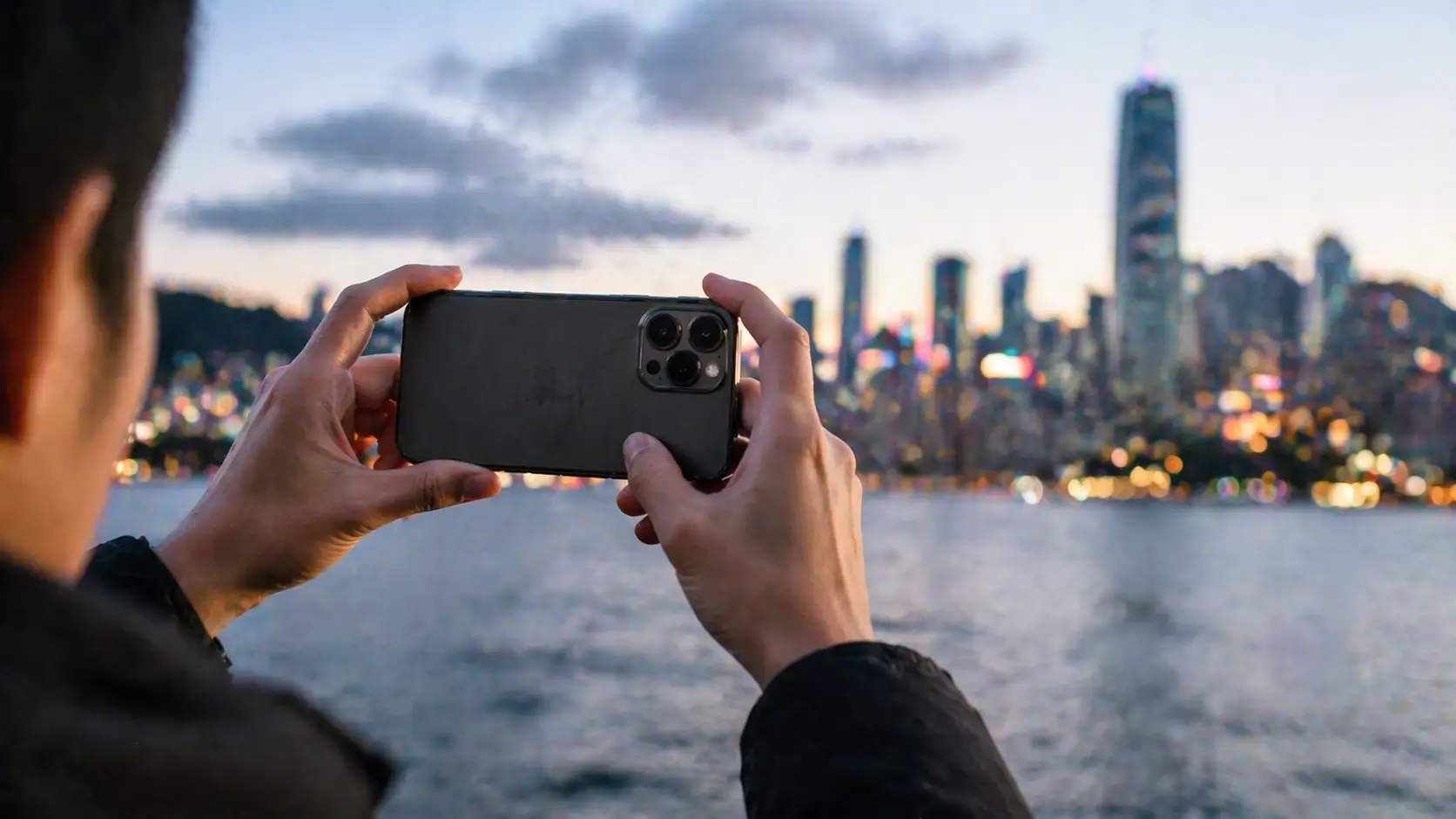
Apple testing 200MP telephoto camera for future iPhone upgrade shows that the company is exploring a major improvement in zoom photography. This does not confirm a release, but it signals a shift toward higher detail and stronger image processing. The real impact will depend on how Apple balances hardware and software. If done right, this could significantly improve iPhone camera performance.
