
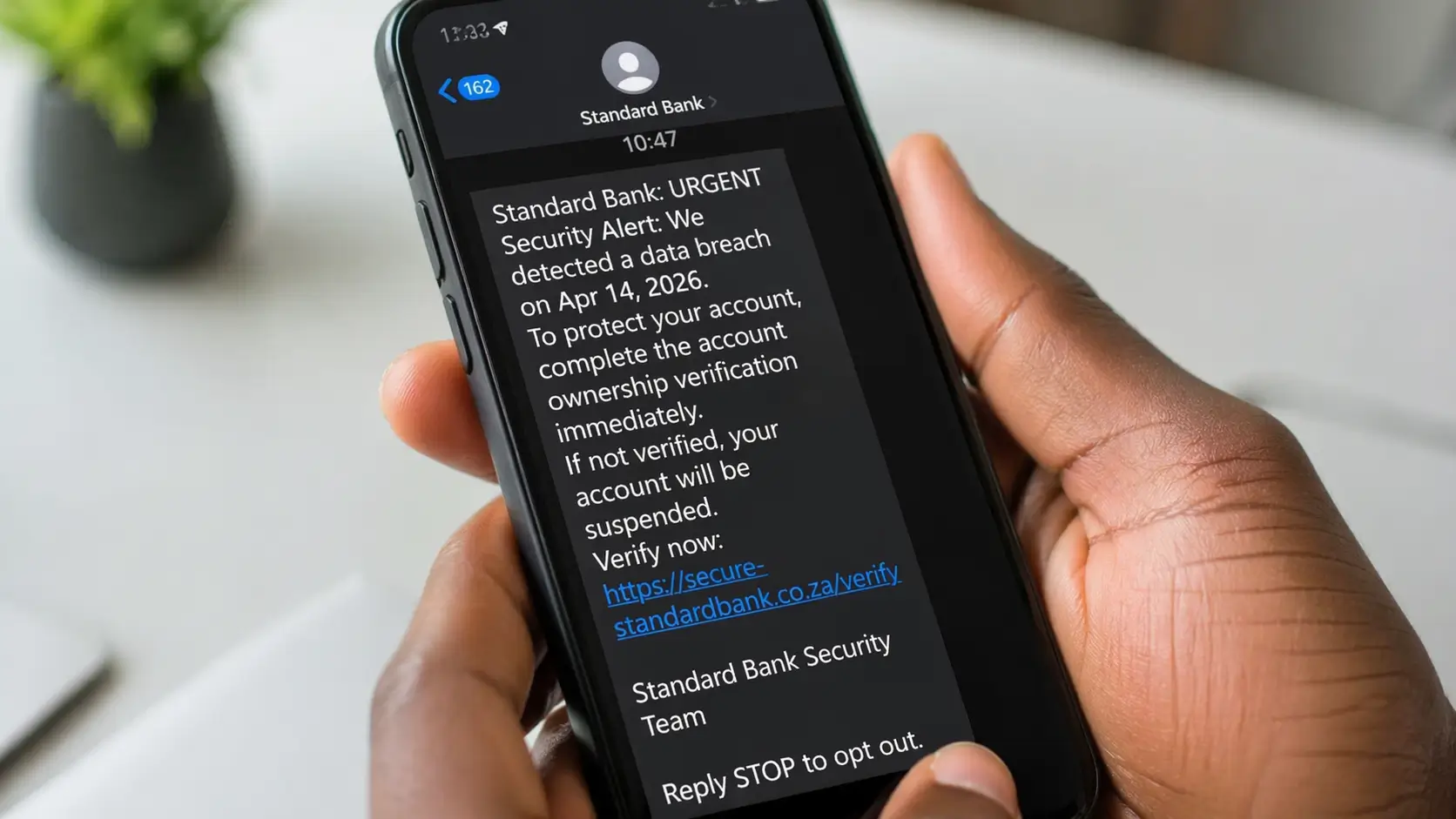

Standard Bank Alerts Customers as Dangerous SMS Scam Targets Trust
The Standard Bank fake SMS scam is the kind of threat that can catch ordinary people off guard because it looks serious, urgent, and believable. A new scam is now circulating across South Africa, targeting Standard Bank customers with a message designed to create fear and force a quick reaction. This is exactly how modern phishing attacks work. They no longer depend on poor spelling or obvious mistakes. Instead, they aim to sound formal, official, and convincing enough to make people panic before they think. This growing threat is one of the reasons why Standard Bank Alerts Customers to remain cautious when receiving unexpected messages.
In this case, the message claims that a data breach happened on April 14, 2026. It then tells the customer to complete an “account ownership verification” immediately through a link, warning that the account may be suspended if the person does not act fast. For many readers, that kind of language feels alarming. It touches on two very sensitive concerns at once: personal security and access to money. That is why this Standard Bank SMS scam is dangerous. It uses pressure and fear to weaken judgment.
The message may even appear professional at first glance. It uses language that sounds like something a bank might send during a security incident. It refers to banking policies, mentions an exact date, and tries to look procedural instead of emotional. That is what makes this kind of phishing attempt more effective than older scams.
Fraudulent message claims a data breach and pressures customers to verify their accounts through a suspicious link — here’s what is really happening and how to stay safe
What is really happening is much simpler and much more dangerous. Scammers are pretending to be Standard Bank in order to steal private and financial information. The goal is not to help customers protect their accounts. The goal is to get them to click a suspicious link, enter sensitive details, and hand over access without realizing it.
This is why the public needs to stay alert. A fake message can look polished and still be fraudulent. A professional tone does not make it real. A warning about suspension does not make it legitimate. The safest response is always to stop, verify, and use only official banking channels. The Standard Bank fake SMS scam reflects a broader rise in cybercrime, where trust has become one of the main targets. That is exactly why Standard Bank Alerts Customers to stay informed and rely only on verified banking platforms. People need clear information, calm judgment, and strong habits to stay protected.
What the Fake SMS Message Says
The scam message typically looks like this:
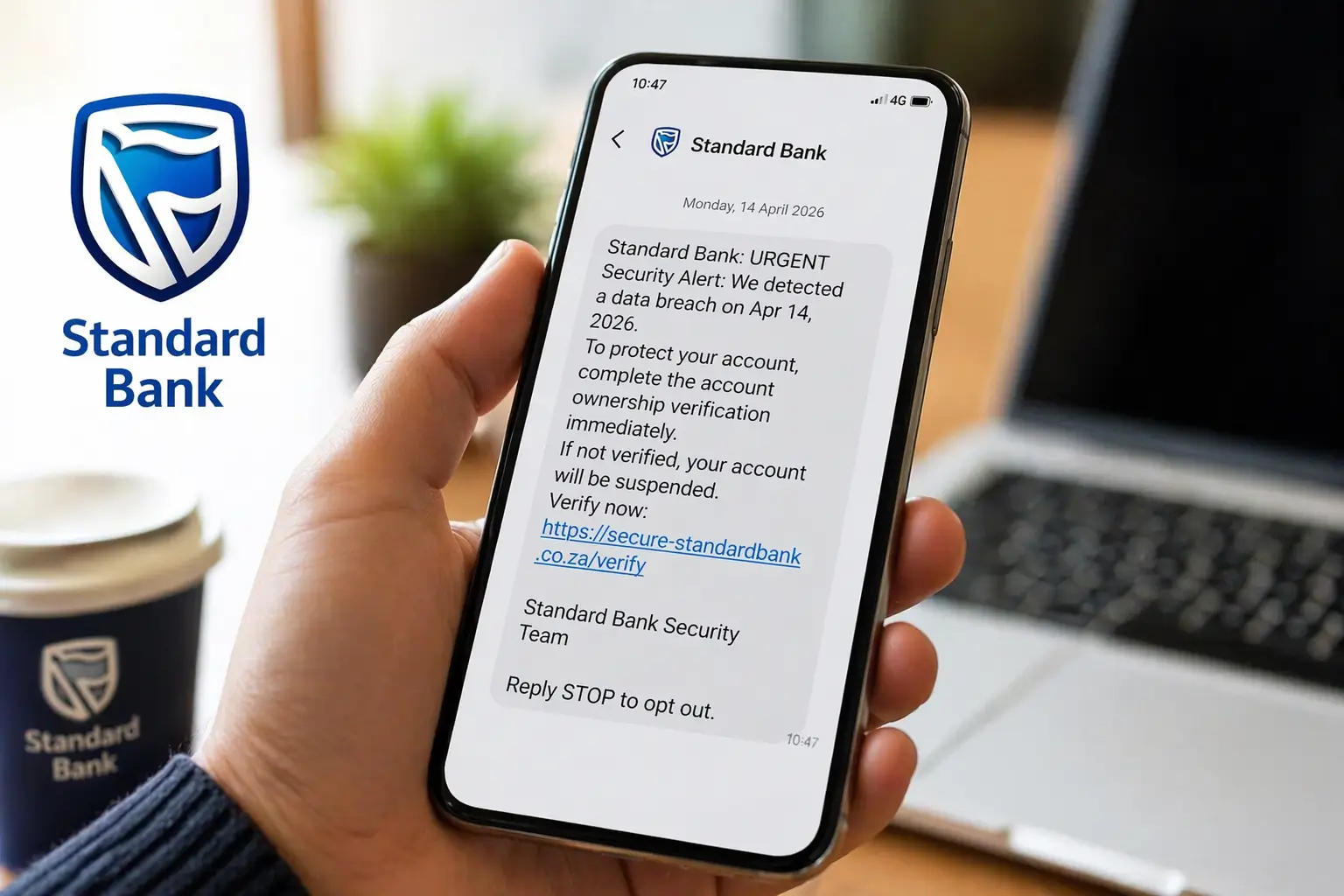
“Standard Bank: Important Data Incident Update. Following a data breach on our server on 14.04/2026 and in line with banking policies, you are required to complete an account ownership security verification immediately via [link] to avoid suspension of your account.”
The Standard Bank fake SMS scam becomes easier to understand when we look closely at the wording of the message itself. On the surface, it sounds formal and urgent. That is exactly why it can mislead people. The message usually reads like an official alert, using phrases such as “Important Data Incident Update” and warning customers about a supposed breach on a specific date. It then tells the recipient to complete an account security verification immediately through a link to avoid account suspension.
This fake Standard Bank SMS does not rely on random wording. Scammers choose each part of the message carefully. First, they mention a specific date, which makes the alert feel more credible. Many people assume that detailed information means the message must be genuine. Second, they refer to a serious issue, in this case a data breach. That immediately creates fear because nobody wants their banking details exposed. Third, they use urgency by demanding immediate action. Finally, they add a threat, saying the account may be suspended if the customer does nothing.
These elements work together to pressure the reader. Instead of giving people time to think, the message pushes them toward a fast emotional reaction. That is the real purpose of the scam. The fraud does not begin when money leaves the account. It begins the moment the victim feels panic and stops questioning the message.
People need to understand this clearly: the wording is the trap. The message tries to sound responsible, official, and protective, but its real goal is to create fear and gain access to sensitive information. That is why reading carefully matters just as much as avoiding the link itself.
Why Standard Bank Alerts Customers About This SMS Scam Strategy
The Standard Bank fake SMS scam works because it targets how people think and react, not just the technology they use. Many customers trust messages that appear to come from their bank. That trust becomes a weakness when attackers design messages that look official and urgent at the same time. When someone reads words like “data breach” or “account suspension,” they often feel pressure to act immediately. That emotional response reduces caution and leads to quick decisions.
This fake Standard Bank SMS does not succeed by accident. Scammers plan every detail to trigger a reaction. They know that fear makes people act fast, and speed often replaces careful thinking. Instead of checking the message, many users click the link to “fix the problem” as quickly as possible. That is exactly what attackers want.
The broader discussion around cybersecurity, including insights linked to the Google Cloud Next 2026 AI innovation theme, highlights how threats are evolving. Attackers no longer depend on poorly written messages or obvious scams. They study behavior, communication patterns, and user expectations. Then they create messages that feel real, structured, and believable.
In this case, several elements work together. The message uses fear by mentioning a data breach. It creates urgency by demanding immediate action. It copies the tone of official banking communication, which increases trust. Finally, it includes a link that looks legitimate at first glance.
These tactics form a pattern that repeats across many phishing attacks. Understanding this pattern helps people recognize the scam before it causes damage. Awareness breaks the cycle, and once users slow down and question the message, the scam loses its power.
Why Standard Bank Alerts Customers About Data Theft Risks
The Standard Bank fake SMS scam does not end when someone clicks the link. That moment only starts the real attack. The goal is simple: collect sensitive information and use it as fast as possible. This is one of the main reasons why Standard Bank Alerts Customers to avoid interacting with suspicious messages and links.
After the click, this fake Standard Bank SMS usually redirects the user to a website that looks almost identical to the official banking page. The layout, colors, and wording try to create a sense of trust. Many users believe they are on a legitimate site, so they continue without hesitation. At that point, the page asks for critical details such as login credentials, banking information, one-time passwords, or personal identification data.
Once the user enters that information, scammers move quickly. They can access accounts, initiate transactions, and even lock the real owner out. In some cases, attackers use the stolen data to attempt additional fraud or identity theft later.
This is why phishing attacks feel so dangerous. The process moves fast, and the consequences appear almost immediately. A single moment of trust can lead to financial loss or long-term security issues. Understanding this risk helps people recognize that the real danger is not the message itself—it is the data that follows after the click. That is exactly why Standard Bank Alerts Customers to stay cautious and always verify any request through official banking channels.
How to Identify a Fake Bank SMS
The Standard Bank fake SMS scam may look convincing at first glance, but it always leaves clues. People can avoid most phishing attempts if they slow down and check a few key details before taking any action. This fake Standard Bank SMS follows a pattern that repeats across many scams, and once you recognize that pattern, it becomes easier to stay safe.
The first warning sign is the link. Scammers often use web addresses that look similar to official domains, but they include small differences that most people overlook. A real bank uses a secure and recognizable domain, not random or shortened links. If the URL feels unfamiliar, that alone should raise concern.
The second sign is urgency and pressure. Messages that demand immediate action often try to trigger fear. This scam warns about account suspension and pushes the user to act quickly. Legitimate banks do not rush customers through SMS in this way. They give time and provide official channels for verification.
Another red flag is unexpected communication. If you did not request any verification or report any issue, there is no reason for the bank to suddenly demand action. Real institutions follow clear processes and usually notify customers through trusted platforms like their official app or website.
Finally, pay attention to generic language. Scam messages often avoid personal details because attackers do not have access to your real information. A message that does not include your name or account context should not be trusted easily.
Understanding these signs helps break the illusion. The Standard Bank fake SMS scam relies on speed and confusion, but careful reading and simple checks can stop it before it causes harm.
Important Truth After Standard Bank Alerts Customers About SMS Fraud
The Standard Bank fake SMS scam only works when people believe that banks communicate in this way. That belief creates confusion, and confusion leads to mistakes. The truth is simple and very important: real banks follow strict communication rules, and those rules do not include sending random links by SMS for account verification. This is exactly why Standard Bank Alerts Customers to stay cautious when receiving unexpected messages that request urgent action.
Many customers assume that any message mentioning security must be legitimate. That assumption creates risk. A fake Standard Bank SMS uses official language to imitate real communication, but the method gives it away. Banks do not ask customers to click unknown links to fix urgent problems. They use controlled and secure channels that customers already trust.
If there is a real issue, banks act differently. They contact customers through verified channels, such as their official mobile app, secure email systems, or direct phone support. They guide users to log in through the official website or app, not through links sent in unexpected messages. Most importantly, they do not request sensitive information like passwords, PINs, or one-time codes through SMS. This reinforces why Standard Bank Alerts Customers to rely only on official communication channels.
This rule protects customers across all situations. If a message asks for urgent verification through a random link, it does not follow standard banking practices. That alone should raise a red flag.
Understanding this principle can prevent most phishing attacks. People do not need advanced technical knowledge to stay safe. They only need to recognize how legitimate systems work and refuse anything that does not match that pattern. The Standard Bank fake SMS scam depends on breaking that understanding, but once people know the truth, the scam loses its power.
How to Protect Yourself from SMS Scams
The Standard Bank fake SMS scam may look convincing, but you can avoid it with simple habits and a calm approach. Protecting yourself does not require advanced technical skills. It requires attention, patience, and the discipline to verify before acting. This fake Standard Bank SMS depends on quick reactions, so slowing down is your first line of defense.
The most important rule is clear: do not click suspicious links. Even if the message looks urgent or official, avoid interacting with any unknown link. That single decision can stop the attack before it starts.
Instead, always verify through official channels. Open your banking app directly or type the official website address into your browser. Do not rely on links sent through SMS. Real banks design their platforms to be accessed in a secure and controlled way.
If something still feels uncertain, contact your bank directly.
Use the phone number listed on the official website or inside your banking app. Speaking to a verified representative gives you clarity and prevents unnecessary risks.
Another critical step is to never share sensitive information. Passwords, PINs, and one-time passwords should only be used within trusted systems. No legitimate bank will ask for this information through random messages.
Finally, report the scam. Reporting helps banks track fraudulent activity and warn other customers. It also reduces the chances of someone else falling into the same trap.
These actions may seem simple, but they are powerful. The Standard Bank fake SMS scam relies on speed and pressure. When you slow down, verify, and stay informed, you take control and protect both your data and your finances.
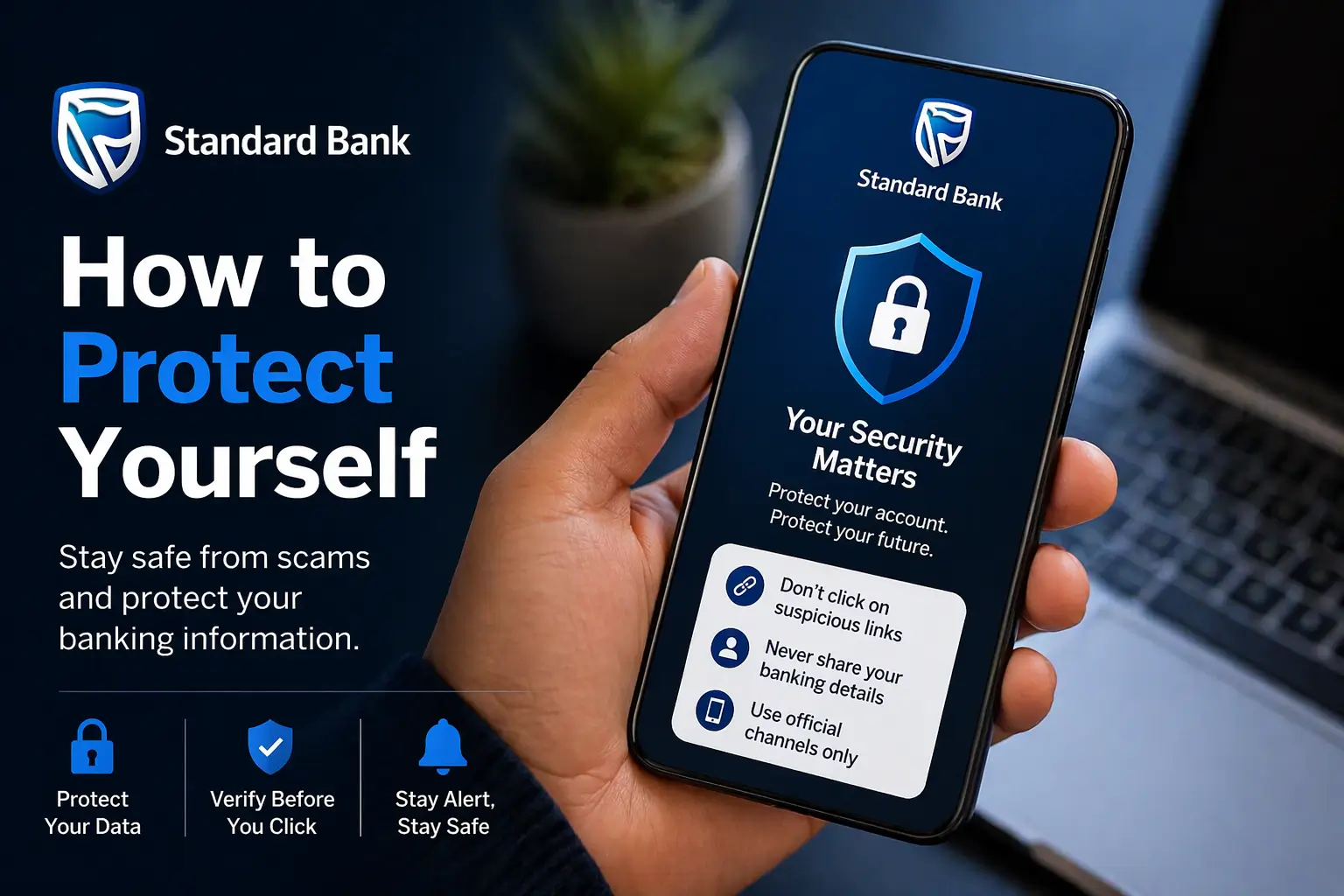
Protecting yourself from scams like the Standard Bank fake SMS scam requires more than just awareness. It involves building strong security habits and understanding how to keep your financial information safe over time. Applying proven methods, such as those outlined in Bank Data Secure: Foolproof Strategies to Keep Your Information Safe, can significantly reduce your risk of falling victim to phishing attacks and other forms of digital fraud.
What to Do After Standard Bank Alerts Customers About SMS Scams
If you interacted with the Standard Bank Alerts Customers, act quickly and stay focused. Speed matters here, but you also need to follow the right steps. This fake Standard Bank SMS aims to capture your data fast, so your response must be just as fast.
Start by changing your banking passwords immediately. Do this through the official app or website, not through any link from the message. A new, strong password can block further access if scammers already captured your details.
Next, contact your bank directly. Use official contact information and explain exactly what happened. The bank can secure your account, flag suspicious activity, and guide you through additional protection steps.
You should also monitor your account closely. Check transactions, balances, and notifications for anything unusual. Even small changes can signal unauthorized access.
Another important step is to enable additional security features, such as two-factor authentication or real-time alerts. These tools add an extra layer of protection and help you respond faster to future threats.
Quick action reduces damage. The Standard Bank fake SMS scam depends on delay and confusion, but a fast and informed response can protect your money and your identity.
Why Standard Bank Alerts Customers About This SMS Scam
The Standard Bank fake SMS scam is not just a single incident. It reflects a much larger shift in how cybercrime operates today. This fake Standard Bank SMS shows that scams are becoming more targeted, more realistic, and harder to detect at first glance. This growing threat explains why Standard Bank Alerts Customers to remain vigilant and question unexpected messages that involve urgent account actions.
Across South Africa and around the world, digital fraud continues to rise. As more people rely on online banking, mobile apps, and digital services, attackers see greater opportunities to exploit trust. They no longer depend on simple tricks. Instead, they study behavior, understand how institutions communicate, and design messages that feel authentic.
This creates a more dangerous environment for everyday users. A message that looks real can lead to serious consequences within minutes. That is why awareness plays such an important role. When people understand how these scams work, they stop reacting emotionally and start thinking critically.
The more informed the public becomes, the less effective these scams become. The Standard Bank fake SMS scam highlights a key reality: technology is evolving, but so are the threats. Staying alert, questioning unexpected messages, and relying on verified sources can make a real difference in protecting personal and financial security. This is exactly why Standard Bank Alerts Customers to stay informed and always verify information through trusted channels.
Staying safe from scams like the Standard Bank fake SMS scam depends on awareness and access to reliable information. Following official security advice, including resources provided on the Standard Bank scams awareness page, helps users identify suspicious activity and protect their banking data more effectively.
Executive Summary
The Standard Bank fake SMS scam makes one thing very clear: phishing attacks have evolved, and they now rely more on trust than on obvious mistakes. This fake Standard Bank SMS does not look careless or poorly written. It looks structured, urgent, and believable, which makes it far more dangerous for everyday users.
For readers, the takeaway stays simple but powerful. Stay calm when you receive unexpected messages. Question anything that asks for urgent action, especially when it involves your finances. Most importantly, verify information through official channels before you respond.
Scammers depend on speed and emotional reactions. When people slow down and think clearly, the scam loses its effectiveness. Awareness becomes your strongest defense.
In today’s digital environment, protecting your personal data matters just as much as protecting your money. The more you understand how these scams work, the better prepared you become to avoid them and protect your financial security.
