
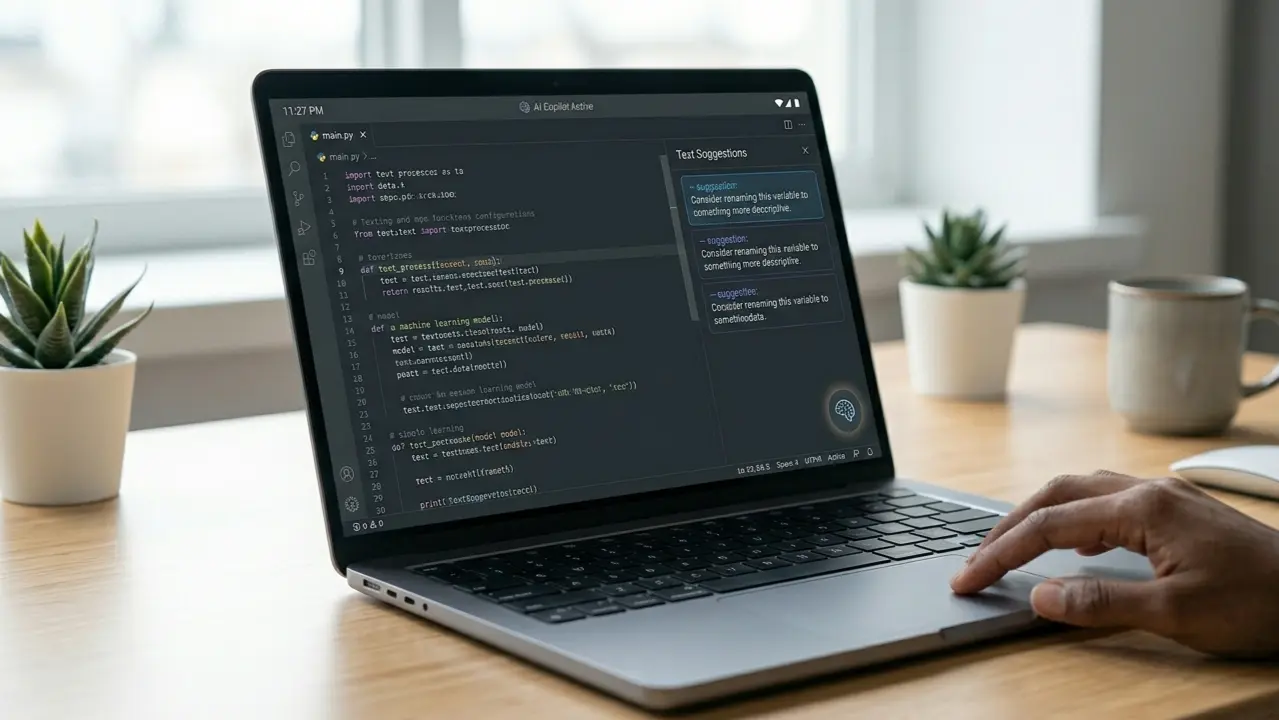

Apple Mac demand is gaining fresh momentum as interest in artificial intelligence changes how many users think about personal computers. For years, Macs were mainly seen as premium machines for students, creators, developers and business professionals. Now, AI is adding a new reason for buyers to look at Apple’s computer lineup, contributing to rising Mac demand across different user segments.
Apple reported about $8.4 billion in Mac revenue in its latest quarter, above market expectations, with Mac sales rising around 6% year over year. That performance matters because it suggests that users are not just upgrading devices out of habit. They are responding to a shift in how computers are used in daily work, especially as AI tools become more common in coding, content creation and productivity workflows.
The bigger story is not only that more people are buying Macs. It is why they are buying them. Growing interest in AI workloads, local models and developer tools appears to be making Macs more attractive, especially models powered by Apple Silicon. This shift is helping drive demand for Macs, particularly among developers and professionals who need higher performance and better efficiency in real-world tasks.
From a practical point of view, this matters because AI is changing the role of the computer. Users no longer judge a laptop only by screen quality, battery life or design. They also care about whether the machine can handle AI-assisted workflows, creative tools, coding environments and local processing efficiently, which further supports AI-driven Mac demand.
In my view, this is a structural change, not a temporary trend. The Mac is no longer just a premium productivity device. It is becoming part of the AI workstation conversation, reinforcing long-term Mac demand growth and reshaping how users evaluate personal computing devices.
Why AI Interest Is Helping Mac Demand
Apple Mac demand is growing because artificial intelligence is changing what many users expect from a computer. A few years ago, many people only cared about battery life, screen quality, storage and design. Those factors still matter, but AI has added a new layer: users now want machines that can handle heavier local tasks without slowing down.
Cloud AI tools remain important, especially for large models and online services. However, local performance is becoming more valuable for developers, creators, researchers and professionals who want speed, privacy and more control over their workflow. In real-world use, waiting several seconds for code generation, image processing or automation tasks can interrupt productivity. A faster machine makes daily work feel smoother.
Apple Silicon gives Apple a strong position in this shift. Macs with M-series chips combine strong performance, energy efficiency and unified memory. That combination helps with certain AI-related workflows, especially when users need a laptop that stays fast without sacrificing battery life. This does not mean every Mac is the best AI machine for every user. Some advanced AI workloads still require specialized hardware or cloud infrastructure.
The important point is balance. Macs are attractive because they offer performance, stability and a polished software experience in one package. That matters to users who want AI tools to support their work, not complicate it.
The rise in Mac revenue suggests that buyers are responding to this broader change in computing needs. Apple’s Mac business is not growing only because of brand loyalty. It is also benefiting from a market where AI-driven workflows are making powerful personal computers feel relevant again.
What Rising Apple Mac Demand Means for Apple
Apple Mac demand gives Apple a valuable opportunity at a time when artificial intelligence is reshaping the personal computer market. For years, Apple positioned Apple Silicon as a major performance advantage, especially through better speed, battery efficiency and hardware-software integration. AI now gives that strategy stronger relevance.
If AI workloads continue to grow, Apple can market the Mac as more than a premium laptop or desktop. It can position Macs as reliable tools for modern computing, where productivity, creativity, coding and AI-assisted workflows come together. That matters because users increasingly want computers that feel powerful today and remain useful for several years.
This also strengthens Apple’s ecosystem. A person who buys a Mac for AI, development or creative work may also use iCloud, Apple Intelligence, App Store apps and other Apple services. That creates long-term value for Apple beyond the initial hardware sale.
However, Apple cannot rely on brand strength alone. Competitors are already promoting AI-focused PCs with dedicated neural processors and aggressive marketing. If Apple wants to lead this market, it needs to show clear, practical AI benefits on the Mac.
In my view, rising Mac demand gives Apple momentum, but execution will decide the long-term result. The company must connect Apple Silicon, macOS and AI features in a way that feels useful, not just impressive. If Apple does that well, the Mac could become one of the strongest devices in the AI PC era.
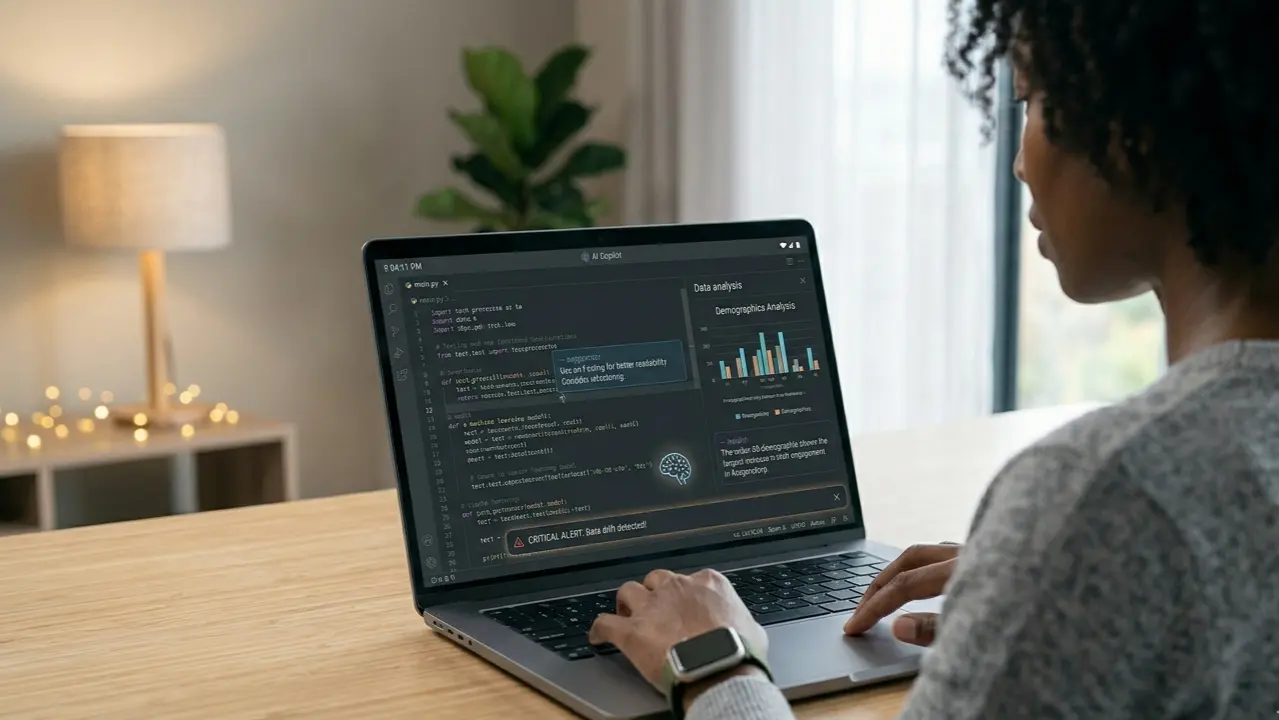
Why This Matters for Users
Apple Mac demand matters for users because it shows how buying a computer in 2026 is no longer only about design, battery life or brand preference. Artificial intelligence is now becoming part of the purchase decision, especially for people who use laptops for work, study, creativity or development.
A student may want a Mac for research tools, writing support and learning apps. A developer may need better performance for coding assistants, local testing and automation. A creator may use AI features for editing, image workflows or content planning. A business user may want a machine that handles daily productivity tools without slowing down.
In real-world use, people do not want computers that feel powerful only on paper. They want machines that open apps quickly, manage multitasking well and stay useful for several years. That is why AI readiness matters. A laptop that handles modern workflows smoothly can feel like a better long-term investment.
Still, users should avoid buying a Mac only because of AI hype. The right choice depends on budget, software needs, memory, storage and workload. A basic user who mainly browses the web, writes documents and streams videos may not need a high-end Mac. However, developers, creators and professionals may benefit more from stronger performance and better efficiency.
In my view, this is the most practical lesson for buyers. AI can make the Mac more attractive, but users should choose based on real needs, not marketing excitement.
The Bigger AI PC Trend
Apple Mac demand is rising within a much larger shift across the PC industry. Apple is not moving alone. Microsoft, Intel, AMD, Qualcomm and major laptop makers are all pushing AI-focused computers with neural processing units, local AI features and better support for machine learning workloads.
This matters because the personal computer market is changing again. For years, many users upgraded mainly for better screens, longer battery life or faster processors. Now, AI is becoming another reason to upgrade. Buyers want devices that can support coding assistants, content tools, automation, local AI models and smarter productivity features.
That trend creates both opportunity and pressure for Apple. The company already has strong hardware through Apple Silicon, but strong hardware alone is not enough. Users also need visible AI benefits inside macOS and daily apps. If Apple wants to lead the AI PC era, it must show how Mac performance translates into real value.
From a practical point of view, Apple has one major advantage: integration. It controls the chip, operating system and ecosystem. That can help deliver smoother AI experiences. However, competitors may move faster in marketing AI features directly to consumers.
In my view, the AI PC trend gives Apple a strong opening, but it also raises expectations. The Mac must prove that it is not only powerful, but genuinely useful for the next generation of AI-assisted computing.
Artificial intelligence is not only transforming personal computers, but also expanding into other industries such as mobility and connected devices. This shift becomes even clearer when you look at how platforms are integrating AI into everyday environments, as seen in Google brings Gemini AI to millions of vehicles worldwide.
Important Limitations of Apple Mac Demand Growth
Apple Mac demand is rising, but it is important to avoid turning this trend into hype. Not every Mac sale comes directly from artificial intelligence. Some growth may come from normal upgrade cycles, product refreshes, education purchases, enterprise demand and users replacing older devices.
This distinction matters because AI is only one part of the Mac story. Apple benefits from strong brand loyalty, good hardware, long battery life and reliable software. Those factors still influence buying decisions, even when AI interest adds more momentum.
The market also needs more time to prove whether AI-driven Mac demand is a long-term trend or a short-term boost. Many users are still learning how AI fits into daily work. Developers, creators and professionals may see clear value sooner, while casual users may not need advanced AI performance yet.
Supply constraints are another important limitation. If Apple cannot meet demand for certain Mac models, revenue growth may depend on how quickly production improves. Strong demand is positive, but limited supply can slow momentum and frustrate buyers.
In my view, the most accurate conclusion is balanced. AI is helping make Macs more relevant, but it does not explain everything. Apple still needs to prove that Mac hardware, Apple Silicon and software features can deliver clear AI value over time. That will decide whether this demand becomes durable growth or just a temporary market reaction.
Apple has been highlighting the growing importance of AI across its ecosystem, as outlined on the Apple newsroom, where the company shares updates on its products and strategy.
Expert Analysis of Apple Mac Demand and AI Growth
Apple Mac demand is being shaped by one important reality: AI is making computer hardware feel relevant again. For several years, many users felt that most modern laptops were already “good enough” for browsing, office work, streaming and basic editing. AI changes that because heavier workflows can expose the limits of older or weaker machines.
This matters most for users who rely on coding tools, creative apps, automation, data analysis and local AI features. In real-world use, slow processing does not just waste time. It interrupts concentration and makes advanced workflows harder to manage. That is why performance, memory and efficiency now matter more than before.
Apple benefits from this shift because the Mac lineup already focuses on speed, battery life and tight hardware-software integration. Apple Silicon gives Macs a strong foundation for users who want a powerful but polished computing experience. This helps support continued Mac demand growth in professional, creative and developer environments.
However, Apple still needs to prove the value clearly. AI alone will not make every Mac a must-buy device. Casual users may not need expensive models, while professionals may demand stronger local AI performance.
In my view, Apple’s opportunity is real but not automatic. If the company turns Mac performance into practical AI features that users can feel every day, AI-driven Mac demand could become a long-term advantage in the AI PC era.
Executive Summary
Apple Mac demand is rising as AI interest changes what users expect from personal computers. Macs are gaining attention for local workloads, productivity and creative tools. However, Apple’s long-term opportunity depends on turning Mac hardware, Apple Silicon and AI features into practical benefits users can clearly feel.
