
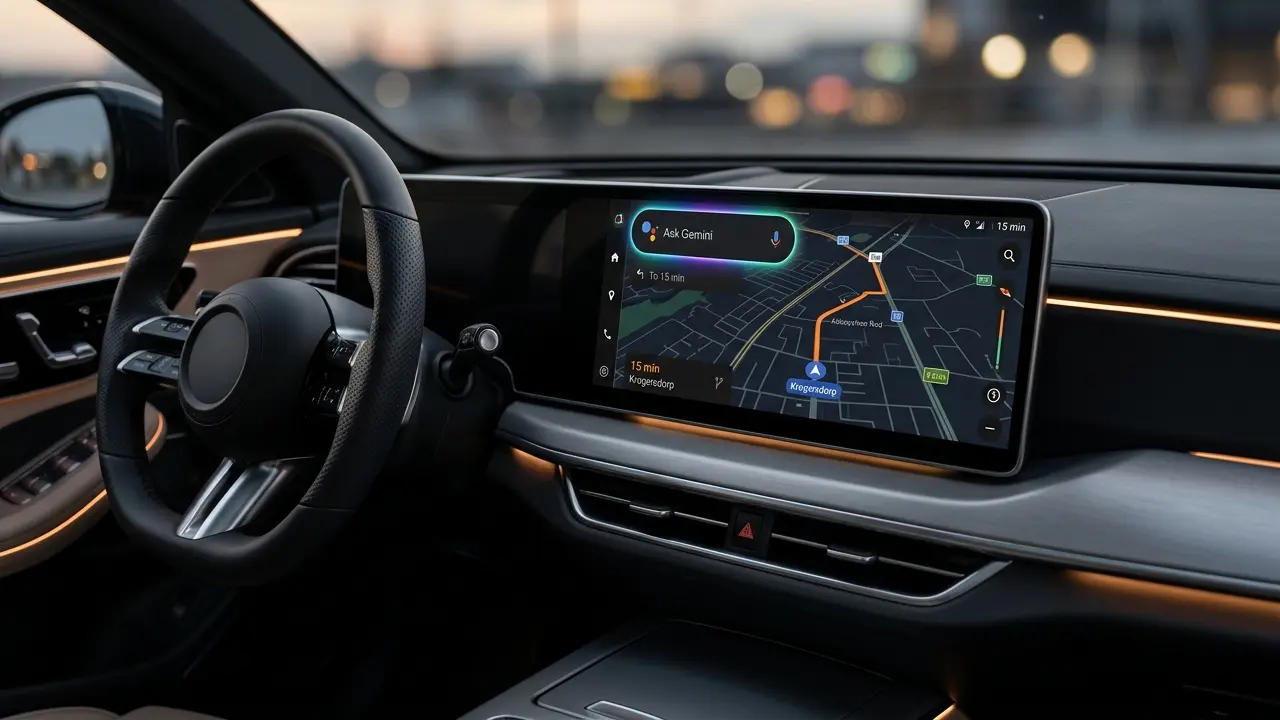

Google brings Gemini AI to millions of vehicles worldwide
Google brings Gemini AI to millions of vehicles worldwide, and this update deserves attention because it changes how people may use technology inside their cars. This is not just another voice assistant feature. It shows how artificial intelligence is moving from phones and computers into everyday driving.
For years, many drivers used basic voice commands for simple actions like playing music, calling a contact or starting navigation. However, those systems often felt limited because they needed exact words. Gemini aims to make the experience more natural. A driver should be able to ask a question, continue the conversation and receive a more useful answer without touching the screen.
The rollout also matters because General Motors says about 4 million eligible vehicles in the United States will receive Gemini through an over-the-air software update. That includes 2022 and newer Cadillac, Chevrolet, Buick and GMC models with Google built-in. In simple terms, many drivers may get a smarter car experience without buying a new vehicle.
This move also shows where the automotive industry is going. Cars are no longer only mechanical products. They are becoming software platforms that can improve after purchase. That creates real value for drivers, especially when updates make navigation, communication and daily travel easier.
Still, drivers should understand the limits. Gemini can help with information, convenience and voice interaction, but it does not replace human attention or responsibility behind the wheel. The real question is not whether AI sounds impressive. The real question is whether it helps drivers stay focused, save time and use their vehicles more safely. That is why this rollout matters.
Why Google brings Gemini AI in vehicles matters for drivers
Google Gemini AI in vehicles matters because drivers need technology that feels useful in real situations, not only impressive in a demonstration. Many current car voice assistants still work like old command systems. They can play music, call a contact or start navigation, but they often struggle when a driver speaks naturally or changes the request halfway through.
Gemini takes a different approach. Google designed it to understand more conversational language, follow context and respond with clearer answers. That matters inside a car because drivers should not need to think about the “correct command” while driving. They need fast help, simple responses and fewer reasons to touch the screen.
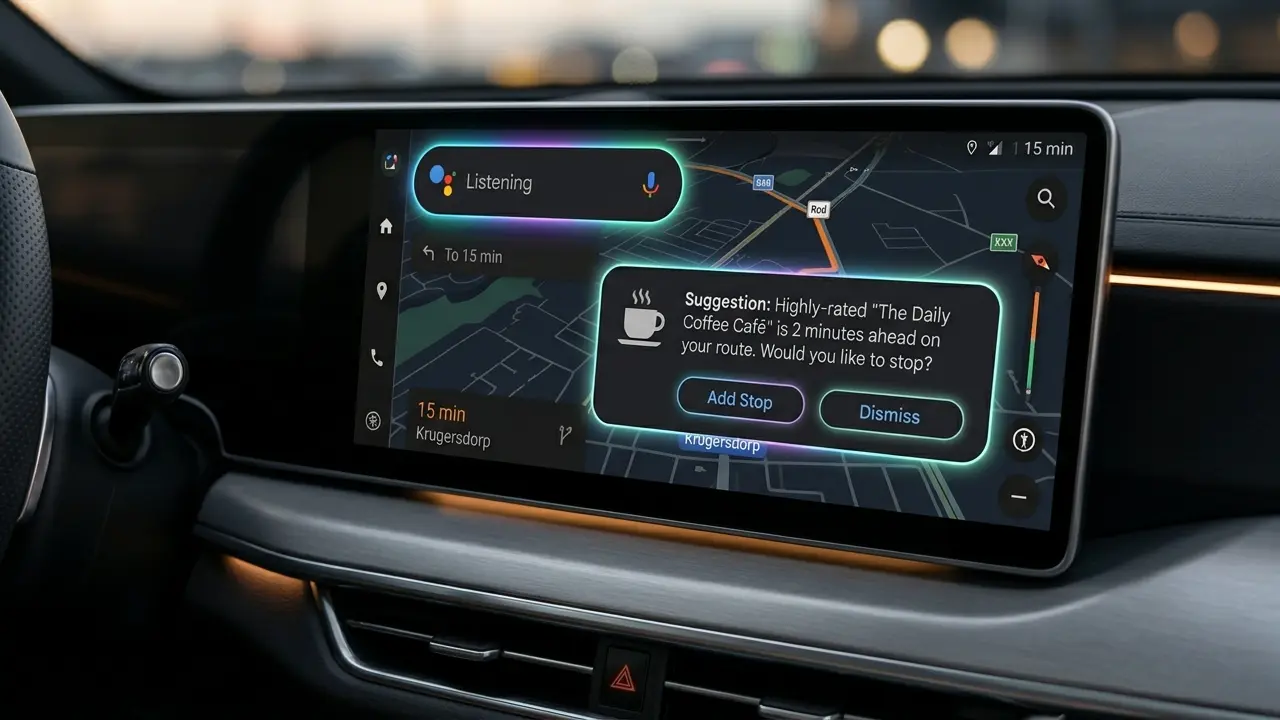
For example, a driver could ask for a good coffee shop along the route, then follow up by asking whether it is still open or has parking. That kind of interaction feels closer to a real conversation. It also makes the dashboard more useful because the assistant can support navigation, communication and planning in one place.
The bigger point is that cars are becoming digital platforms. A few years ago, buyers focused mainly on design, performance and fuel economy. Today, software matters too. Navigation quality, voice control, apps, updates and connected services now shape the ownership experience.
In my view, this is why Gemini matters most. It does not need to make cars feel futuristic just for attention. It needs to make daily driving easier, safer and less distracting. If Google can deliver that experience consistently, Gemini could become one of the most practical AI tools people use every day.
How Gemini AI could change the driving experience
Gemini AI could change the driving experience by making the car feel more responsive, helpful and aware of what the driver needs in the moment. Many current voice systems treat every request like a separate command. That often creates frustration because the driver has to repeat details, use exact words or stop the conversation and start again.
Gemini can make that interaction feel more natural. A driver could say, “Find a quiet restaurant near my route,” then follow up with, “Does it have parking?” or “Is it still open?” The assistant should understand that the second question connects to the first request. That kind of context matters because real conversations do not happen in isolated commands.
This could improve daily driving in simple but meaningful ways. A driver may ask for a faster route, check traffic, choose a playlist, reply to a message or find a charging station without touching the screen.
In real driving conditions, voice assistants often fail when background noise increases, which makes reliability critical.
Small actions like these can reduce stress, especially during long trips, busy commutes or unfamiliar routes.
From a practical point of view, the real benefit comes from reducing friction. Drivers do not need another complicated feature. They need technology that saves time and helps them stay focused. If Gemini responds quickly and accurately, it can make voice control feel useful again.
Still, the experience must remain safe. An AI assistant should support the driver, not distract them. The best version of Gemini in cars will give clear answers, avoid unnecessary conversation and help people keep their eyes on the road. That balance will decide whether drivers trust it.
What makes the Gemini AI rollout different
Gemini AI rollout feels different because it brings artificial intelligence to vehicles that many people already own. In technology, companies often announce impressive AI features, but those tools stay limited to demos, premium devices or small testing groups. This update has more real-world weight because Google and General Motors plan to deliver Gemini through software updates to millions of eligible vehicles.
That matters because drivers may not need to buy a new car to experience a smarter assistant. If the vehicle supports Google built-in and qualifies for the update, the owner can receive a more advanced in-car experience over the air. This shows how modern vehicles are becoming more like connected devices that improve after purchase.
From an industry point of view, this rollout also proves that car software now plays a major role in long-term value. A vehicle no longer depends only on its engine, design or interior quality. Its digital features, update support and assistant technology also affect how useful it feels over time.
The gradual launch also makes sense. Cars require stricter testing than phones or laptops because drivers use them in real traffic. Google and automakers need to make sure Gemini responds clearly, avoids confusion and supports safe driving habits.
In my view, this is the most important difference. The Gemini AI rollout is not only about adding a new feature. It shows that artificial intelligence is becoming part of the vehicle ownership experience. If the rollout works well, drivers may begin to expect smarter updates from their cars the same way they expect updates from their smartphones.
This shift is not happening in isolation.
Major technology companies like Google and automakers such as General Motors are actively shaping the future of connected vehicles. According to industry reports, automakers are shifting toward software-defined vehicles, where digital features, updates and AI systems play a central role in long-term value.
This means the competition is no longer limited to hardware or engine performance. Instead, companies are competing on software experience, user interface and intelligent systems that improve over time.
The bigger strategy behind Gemini in cars
Gemini in cars is not only about improving voice commands. It is part of a bigger strategy to make Google more important inside the connected vehicle experience. Google already plays a strong role in driving through Google Maps, Android Auto and Google built-in. By adding Gemini directly to vehicles, Google moves from navigation support to a deeper digital assistant role.
This matters because the car dashboard is becoming valuable digital space. Drivers use it for maps, calls, music, messages, charging information, service alerts and route planning. If Gemini can connect these tasks in a more natural way, Google gains a stronger position in the daily driving routine.
For carmakers, this strategy also makes sense. Building a reliable AI assistant from scratch takes time, money and technical expertise. By working with Google, automakers can offer a smarter experience without developing every system alone. That can help them compete in a market where software now influences buying decisions.
For Google, the opportunity goes even further. The company wants Gemini to live across phones, computers, homes and vehicles. That turns AI from a chatbot into a daily companion that follows the user across different moments.
In my view, this is the real story. Gemini in cars shows that artificial intelligence will not stay inside apps. It will become part of the places where people already spend time. If Google delivers useful, safe and reliable features, Gemini could become one of the most familiar AI assistants in everyday life.
Benefits of Gemini AI for drivers
Benefits for drivers with Gemini AI go beyond convenience and touch real daily habits behind the wheel. Many drivers already use voice commands, but they often stop using them because the experience feels limited or inconsistent. Gemini can change that by making interactions faster, clearer and more natural.
One of the biggest advantages is time savings. Instead of navigating through menus, a driver can ask for directions, send a message or change music in seconds. That reduces friction during driving, especially in traffic or unfamiliar areas. It also helps drivers stay focused because they spend less time looking at the screen.
Navigation may improve as well. A driver could request a stop along the route, ask about traffic conditions or adjust the destination without restarting the process. That flexibility makes travel planning feel smoother and more responsive to real situations.
Accessibility is another important benefit. Not every driver feels comfortable with complex interfaces or multiple settings. With Gemini, the car becomes easier to use because the driver can simply ask for help. Whether it is adjusting a feature, checking a message or choosing entertainment, the interaction becomes more direct.
From a practical perspective, these changes matter because they reduce effort. Drivers do not want more features. They want better experiences. If Gemini delivers reliable responses, it can make everyday driving less stressful and more efficient.
In my opinion, the real value appears when technology disappears into the background. If drivers stop thinking about how to use the system and just use it naturally, that is when Gemini becomes truly useful.
Important limitations to understand
Google brings Gemini AI into vehicles, but drivers still need realistic expectations before trusting this technology on the road. Gemini can improve voice interaction, navigation support and in-car convenience, but it does not turn a normal vehicle into a self-driving system.
Drivers must remain in control at all times. They need to watch the road, react to traffic and make safe decisions. AI can answer questions, assist with directions and reduce the need to touch the screen, but it cannot replace human attention. This distinction matters because many people hear “AI in cars” and assume autonomy, which is not the case here.
Privacy also deserves careful attention. Modern connected vehicles already rely on data for maps, apps, accounts and diagnostics. When an AI assistant becomes part of that system, drivers should understand what information it can access. Voice activity, location data, permissions and account settings all play a role. A trustworthy system must give users clear control over their data.
Availability creates another limitation. Not every vehicle will receive Gemini immediately. The rollout depends on the car model, region, software support and compatibility with Google built-in systems.
From a practical perspective, Google brings Gemini AI into a space where reliability matters more than innovation alone. Drivers need clear answers, fast responses and minimal distraction. If Gemini fails to meet those expectations, people will ignore it instead of relying on it.
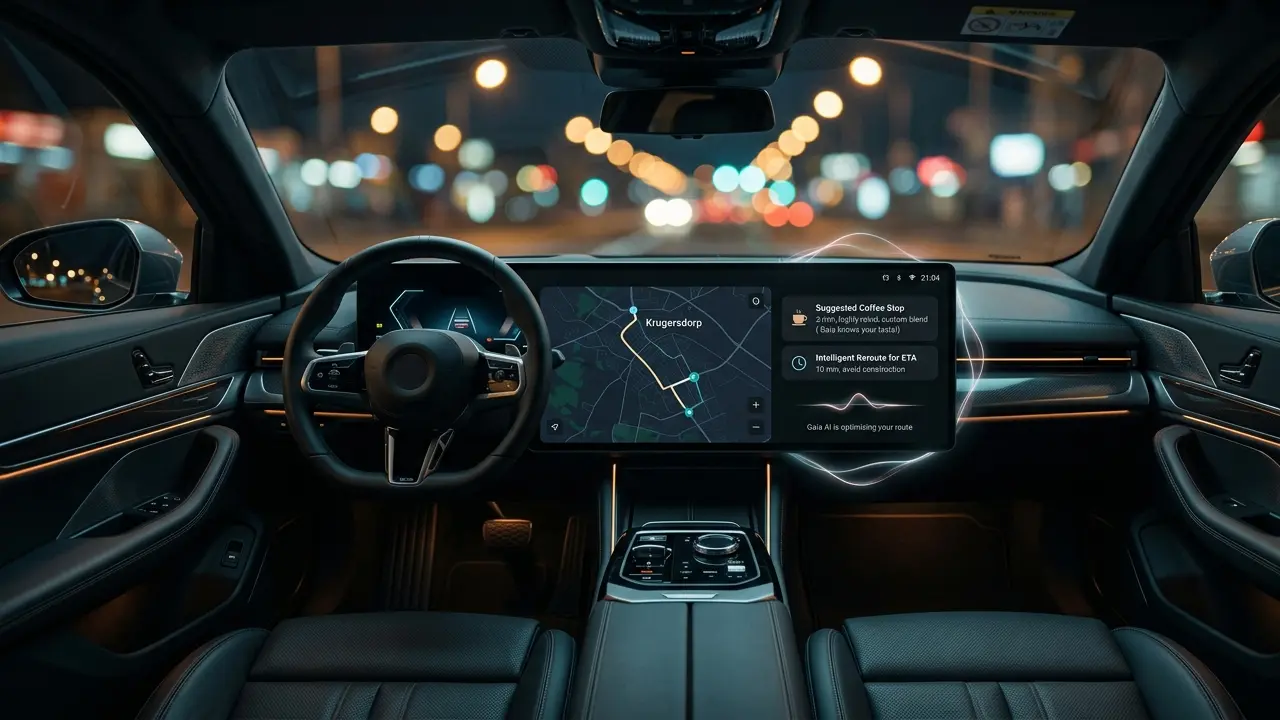
As automakers continue to push innovation in connected vehicles, performance and electrification are also evolving rapidly. For example, the upcoming Porsche electric Cayenne Coupe highlights how premium brands are combining advanced technology with modern design and efficiency. You can explore more details in this full breakdown
Why this could be a turning point for smart cars
Google brings Gemini AI to millions of vehicles worldwide at a time when the car industry is changing fast. Modern vehicles no longer compete only through engine power, exterior design, fuel economy or interior comfort. Those things still matter, but software now plays a much bigger role in how people judge a car.
Drivers increasingly care about the screen, navigation quality, app support, voice control, updates and connected services. A vehicle can feel modern or outdated based on its software experience. This is why Gemini matters. It shows that the car is becoming a platform that can improve after purchase, not just a machine with fixed features.
Tesla helped make software updates a normal part of vehicle ownership. Now, companies like Google and General Motors are bringing that idea to a wider audience. If a driver can receive a smarter assistant through an update, the value of the car can grow over time.
From my point of view, this could become a turning point because it changes expectations. Buyers may start asking whether a vehicle will receive meaningful updates, not only whether it has good hardware on day one.
Still, the industry must prove the benefit clearly. Smart cars should not become complicated cars. They should become easier, safer and more helpful. If Gemini makes daily driving simpler without adding distraction, this rollout could mark an important step toward the next generation of connected vehicles.
Executive Summary
Google brings Gemini AI to millions of vehicles worldwide, giving drivers a smarter and more natural way to use voice technology in cars. Gemini can improve navigation, communication and daily convenience, but it does not make vehicles autonomous. Its success depends on safety, privacy, reliability and real usefulness behind the wheel.
