
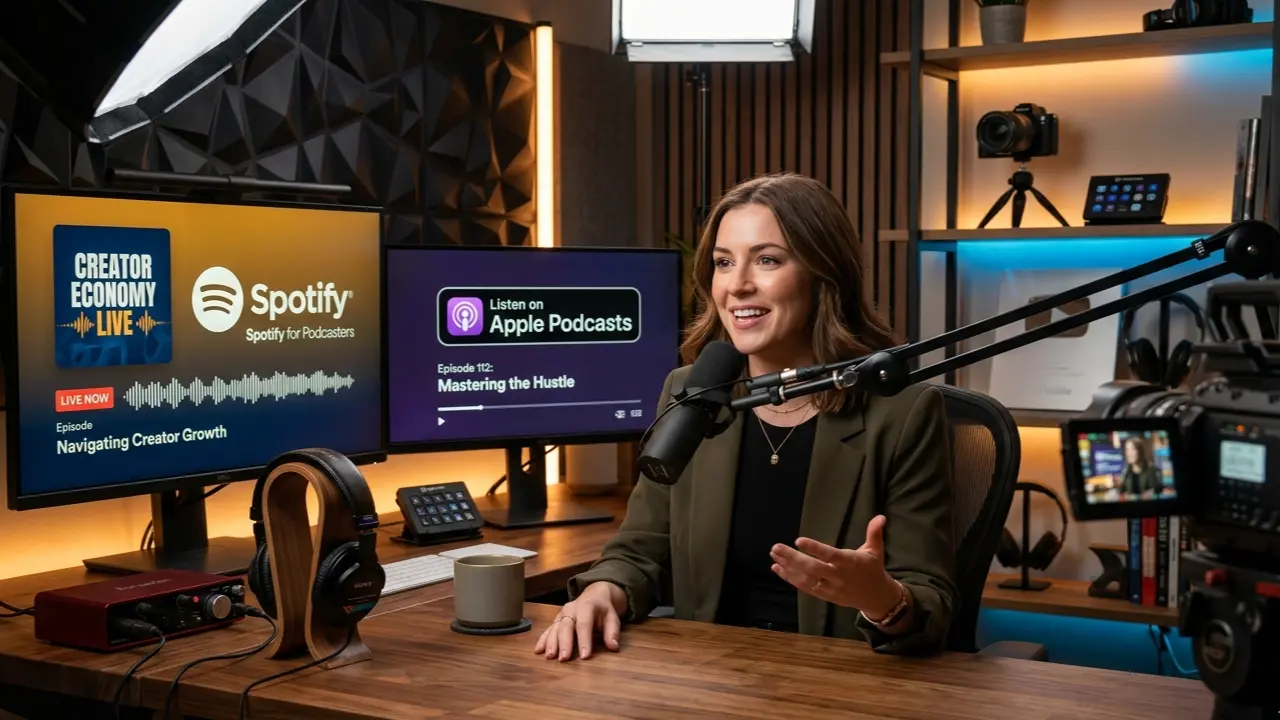

The Spotify Apple Video Podcast Tech partnership reflects a major transformation happening across the creator economy and digital media industry. The market is entering a new phase where distribution flexibility may become more valuable than platform exclusivity.
For years, major technology companies fought aggressively to keep creators locked inside their own ecosystems. Spotify invested heavily in exclusive podcast deals. Apple expanded its podcast infrastructure across the Apple ecosystem. YouTube strengthened its dominance in creator discovery and video engagement. Every platform wanted creators, audiences, advertising revenue, and long-term attention.
That strategy helped platforms grow quickly, but it also created frustration for creators.
Modern creators no longer want complicated publishing systems, isolated distribution networks, or unnecessary technical barriers. Many creators already publish content across YouTube, TikTok, Instagram, Spotify, Apple Podcasts, and other platforms simultaneously. Managing separate workflows across multiple services consumes time, money, and creative energy.
That is why Spotify’s decision matters.
By adopting Apple’s video podcast technology, Spotify is signaling that the creator economy may slowly move toward more open and interoperable systems. The integration could simplify cross-platform video podcast distribution while helping creators reach broader audiences more efficiently.
This shift also highlights something increasingly important about modern digital media:
podcasting is no longer only about audio.
Video podcasts now drive engagement across social media, streaming platforms, and creator ecosystems. Podcast clips regularly appear on TikTok, YouTube Shorts, Instagram Reels, and other discovery-driven platforms. Audiences increasingly expect visual experiences, stronger creator personalities, and more interactive content formats.
Spotify and Apple still compete aggressively for market influence, but this collaboration suggests both companies recognize a larger reality shaping the future of digital media.
Creators want fewer restrictions, easier distribution, stronger monetization opportunities, and more control over how content reaches audiences across the internet.
Why Spotify Apple Video Podcast Growth Is Reshaping Creators
Video podcasts are rapidly transforming how creators build audiences, grow communities, and compete for attention online. The modern creator economy no longer revolves around audio alone. Visual engagement now plays a major role in how audiences discover content, connect with personalities, and spend time across digital platforms.
Platforms like YouTube, TikTok, Instagram, and Spotify helped accelerate this shift dramatically. Podcast clips now spread across social media feeds every day. Short-form highlights often generate millions of views before audiences ever watch a full episode. In many cases, viral clips become more powerful for discovery than the podcast itself.
That changes how creators think about content.
Today, successful podcast creators focus on much more than microphones and audio quality. Modern creators now invest heavily in:
- visual branding;
- thumbnail design;
- short-form video clips;
- livestream engagement;
- multiplatform publishing;
- discoverability algorithms.
The audience also changed.
Younger viewers increasingly prefer visual experiences instead of audio-only formats. Many users consume podcasts while scrolling social media, watching YouTube on television screens, or browsing short-form clips on mobile devices. Video creates stronger emotional connection because audiences can see reactions, facial expressions, studio setups, and creator personalities in real time.
That reality explains why the Spotify Apple Video Podcast Tech partnership matters beyond technical infrastructure.
Spotify clearly understands that the future of podcasting depends heavily on video engagement and creator visibility. The company invested aggressively in podcast studios, creator partnerships, exclusive content deals, and monetization systems because it wants to evolve beyond music streaming alone.
At the same time, Spotify also recognizes a difficult truth about the creator economy:
YouTube currently dominates video discovery.
Adopting Apple’s video podcast technology reflects a broader strategy designed to make Spotify more attractive to creators who increasingly demand easier distribution, wider audience reach, stronger monetization opportunities, and better cross-platform flexibility.
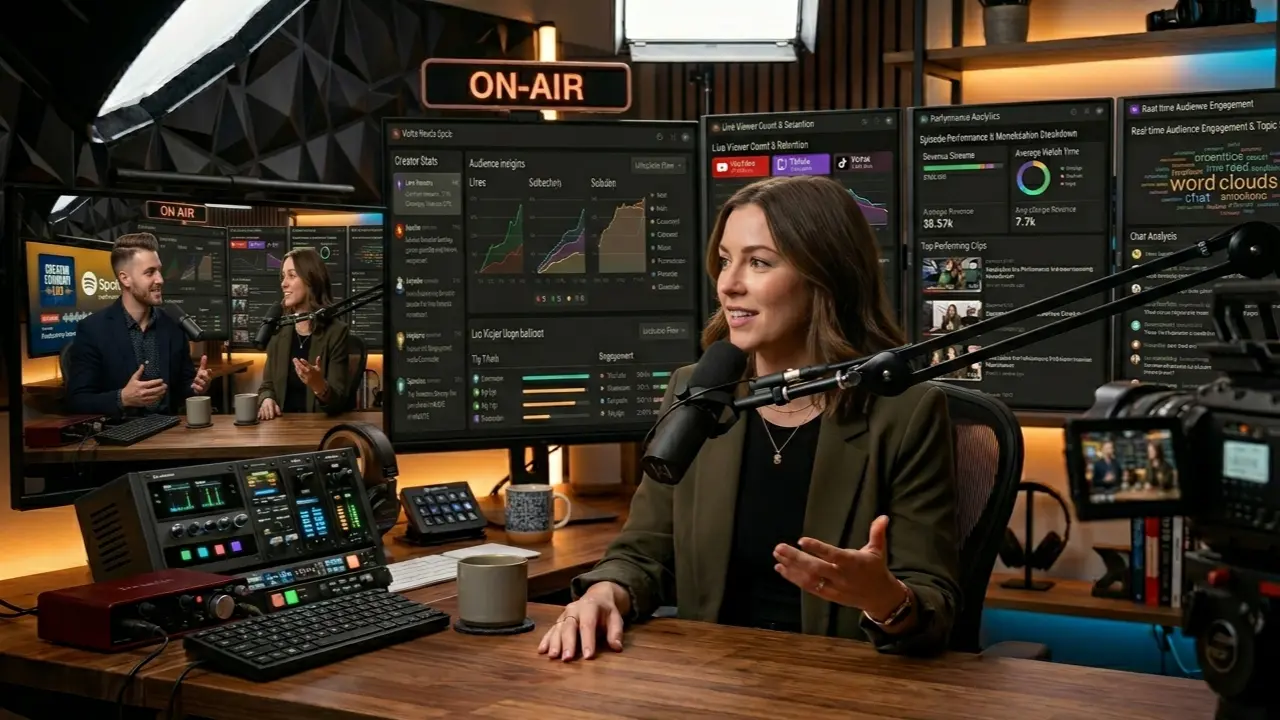
The Bigger YouTube Battle for Video Podcast Creators
Although Spotify and Apple dominate the headlines, the real competitive pressure inside the creator economy likely comes from YouTube. The platform remains the most powerful creator ecosystem in the world because it combines video distribution, monetization, recommendation algorithms, audience discovery, and search visibility inside one massive platform.
That advantage matters enormously for podcast creators.
For many creators, YouTube already functions as the primary engine for audience growth. A single viral podcast clip can generate millions of views through Shorts, recommendations, and search traffic. In many cases, creators gain more visibility from YouTube clips than from traditional podcast platforms themselves.
This is the difficult reality Spotify and Apple now face.
Modern audiences increasingly prefer visual experiences instead of audio-only formats. Many users discover podcasts through social clips before they ever listen to full episodes. That trend continues pushing the industry toward video-first content strategies.
The Spotify Apple Video Podcast Tech partnership reflects this growing pressure.
Spotify understands that competing in the future of digital media requires much more than audio streaming. The company continues investing heavily in creator partnerships, podcast infrastructure, monetization systems, and video podcast tools because it wants to remain relevant in a creator economy increasingly shaped by video engagement.
At the same time, YouTube still dominates creator discovery at a scale Spotify cannot easily match.
That explains why Spotify’s broader strategy now focuses heavily on making video podcast distribution easier, more flexible, and more creator-friendly. The battle is no longer only about podcast hosting. It is about controlling the future infrastructure of creator-driven media across the internet.
What Spotify Apple Video Podcast Changes Mean for Creators
For creators, this shift could become extremely valuable because video podcasting now demands much more than recording a conversation and uploading it online. Creators must manage production, distribution, optimization, audience growth, and monetization at the same time.
Publishing video podcasts across multiple platforms often requires different workflows. A creator may need one upload format for Spotify, another setup for Apple Podcasts, separate clips for YouTube, and additional versions for TikTok or Instagram. That process consumes time and increases pressure, especially for small teams.
This is why the Spotify Apple Video Podcast Tech integration matters for everyday creators.
If major platforms reduce technical friction, creators can spend less time fighting with distribution systems and more time improving the actual content. That means better conversations, stronger storytelling, cleaner production, and more consistent publishing schedules.
Smaller creators may benefit the most.
Many independent podcasters do not have editors, producers, marketing teams, or technical managers. They often handle cameras, lighting, thumbnails, editing, uploads, captions, and analytics alone. A simpler video podcast workflow could lower those barriers and make professional publishing feel more realistic.
The creator economy now rewards visibility across several platforms. One episode may become a long-form podcast, a short clip, a social post, a newsletter topic, and a monetized video asset. Creators who publish consistently across multiple channels often build stronger audience relationships.
That does not mean technology solves every problem. Creators still need original ideas, trust, personality, and quality. But easier interoperability gives them more room to focus on what actually matters: serving audiences with useful, entertaining, and memorable content.
Who Should Care About the Spotify Apple Video Podcast Shift?
This shift matters far beyond large podcast companies and streaming platforms. Independent creators, YouTubers, podcasters, media startups, and digital publishers should pay close attention because the creator economy increasingly depends on multiplatform visibility and flexible distribution.
Small creators may benefit the most from the Spotify Apple Video Podcast Tech transition. Many independent creators already manage content across YouTube, TikTok, Instagram, Spotify, newsletters, and livestream platforms simultaneously. Simplifying video podcast publishing could reduce technical pressure and allow creators to focus more on audience growth, storytelling, and monetization.
Media startups should also pay attention.
The digital publishing industry is changing quickly as audiences consume more creator-driven content instead of traditional media alone. Platforms that support creators more efficiently may gain stronger influence over how online media evolves during the next several years.
Even YouTubers who do not produce traditional podcasts should watch this trend carefully because video podcasting increasingly overlaps with livestreaming, interviews, commentary channels, educational content, and creator-focused media formats.
The broader creator economy is becoming more connected every year.
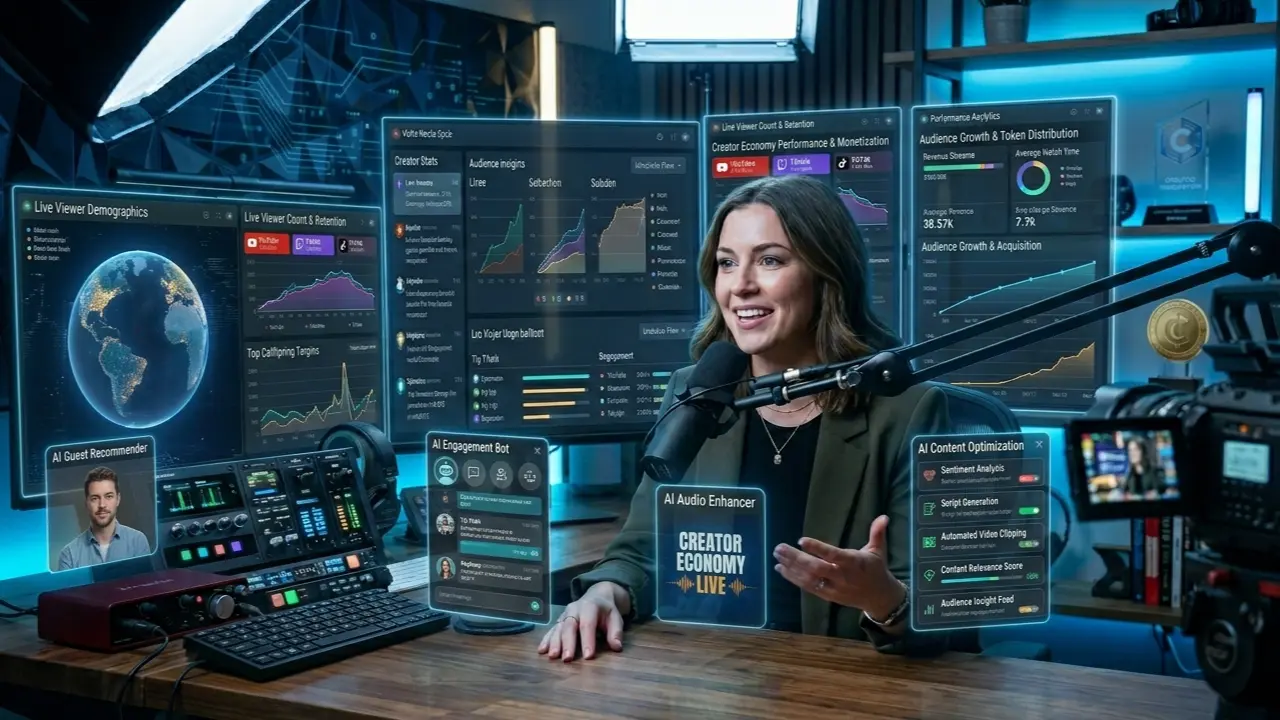
Expert Insight: How Spotify Apple Video Podcast Trends Could Connect Digital Media
Spotify adopting Apple’s video podcast technology shows a larger shift across the internet. Digital media no longer grows only through closed ecosystems. It now grows through access, flexibility, and easier movement between platforms.
The Spotify Apple Video Podcast Tech integration reflects that change clearly.
Creators want tools that help them publish faster, reach wider audiences, and manage content with less friction. They do not want to rebuild the same video podcast workflow for every platform. That approach wastes time and limits growth.
This is why creator-centered infrastructure matters.
The future of digital media may depend on platforms that support creators across several areas:
- streaming;
- podcasting;
- video distribution;
- creator monetization;
- audience engagement;
- cross-platform publishing.
This does not mean exclusivity will disappear completely. Large platforms will still compete for premium creators, advertising budgets, and audience attention. But exclusivity alone may no longer be enough to win the creator economy.
Creators now judge platforms by practical value.
They want better discovery, stronger monetization, cleaner publishing tools, and fewer technical barriers. Platforms that solve those problems may build deeper trust with creators over time.
That is why this story matters beyond podcasts.
Today, the Spotify Apple Video Podcast Tech move focuses on video podcast distribution. Tomorrow, it may help define how creators publish content across the entire digital media industry.
The real lesson is simple: the platforms that make creators’ work easier may shape the next phase of online media.
The broader creator economy is increasingly moving toward more flexible publishing systems, especially as platforms like Spotify for Creators and Apple Podcasts for Creators continue expanding creator-focused distribution and monetization tools.
What Happens Next for Spotify Apple Video Podcast Platforms?
The next phase of the creator economy will likely focus heavily on interoperability, creator tools, AI-powered publishing systems, and cross-platform distribution. Spotify adopting Apple’s technology may represent the beginning of a larger shift instead of an isolated partnership.
More streaming platforms may eventually move toward creator-friendly infrastructure designed to simplify publishing workflows and audience management. Companies increasingly understand that creators want fewer technical barriers and more efficient growth systems.
The Spotify Apple Video Podcast Tech strategy could also push competitors to improve their own creator ecosystems.
YouTube will likely continue strengthening podcast discovery and video monetization. Spotify may expand creator tools more aggressively. Apple could improve podcast infrastructure across its ecosystem. Other platforms may introduce new AI-driven editing, clipping, analytics, and publishing features.
At the same time, creator expectations will continue evolving.
Creators increasingly want:
- broader reach;
- ownership control;
- stronger monetization;
- audience portability;
- faster publishing systems.
The platforms that support those needs most effectively may shape the future of digital media.
The Biggest Risk Facing Spotify Apple Video Podcast Growth
Although Spotify’s strategy looks smart, the company still faces serious long-term risks inside the creator economy.
YouTube continues dominating creator discovery at a massive global scale. Most viral podcast clips still spread faster through YouTube Shorts, recommendations, and search visibility than through podcast-specific platforms. That creates ongoing pressure for Spotify.
The Spotify Apple Video Podcast Tech move may improve creator flexibility, but technology alone cannot guarantee audience growth.
Spotify also depends heavily on creators continuing to publish consistently on the platform. If creators believe YouTube delivers stronger discovery, monetization, and engagement opportunities, many may continue prioritizing YouTube-first strategies.
Monetization pressure also remains important.
Spotify invested heavily in podcasts, creator partnerships, and exclusive content over the last several years. The company now faces pressure to prove that those investments can generate sustainable long-term returns while competing against much larger video ecosystems.
That is why this battle matters.
The future of creator-driven media may depend on which platforms help creators grow audiences most effectively while maintaining profitable business models.
FAQs
Why is Spotify adopting Apple’s video podcast technology?
Spotify is adopting Apple’s video podcast technology to simplify cross-platform publishing and improve video podcast distribution for creators. The move could help creators manage content more efficiently across multiple platforms.
What is Spotify Apple Video Podcast Tech?
The Spotify Apple Video Podcast Tech integration refers to Spotify adopting Apple’s HLS streaming technology for video podcasts. The system helps improve compatibility, streaming performance, and creator distribution workflows.
Why are video podcasts growing so quickly?
Video podcasts continue growing because audiences increasingly prefer visual content, short-form clips, and creator-driven video experiences across YouTube, TikTok, Instagram, and streaming platforms.
How could this affect podcast creators?
Podcast creators may benefit from easier distribution, reduced technical complexity, broader audience reach, and improved multiplatform publishing opportunities.
Why is YouTube important in the video podcast market?
YouTube remains the largest creator discovery platform because it combines video distribution, monetization, search visibility, recommendation systems, and audience growth tools in one ecosystem.
Could Spotify and Apple cooperation change the creator economy?
Yes. The collaboration suggests streaming platforms may increasingly focus on interoperability, creator flexibility, and easier publishing systems instead of isolated ecosystems.
Executive Summary
The Spotify Apple Video Podcast Tech integration signals a major shift inside the creator economy. Spotify’s adoption of Apple’s video podcast technology could simplify cross-platform publishing while helping creators reach wider audiences more efficiently. The move also highlights how streaming platforms increasingly prioritize creator flexibility, video-first experiences, and easier distribution in the growing competition for creator attention and digital media influence.
