
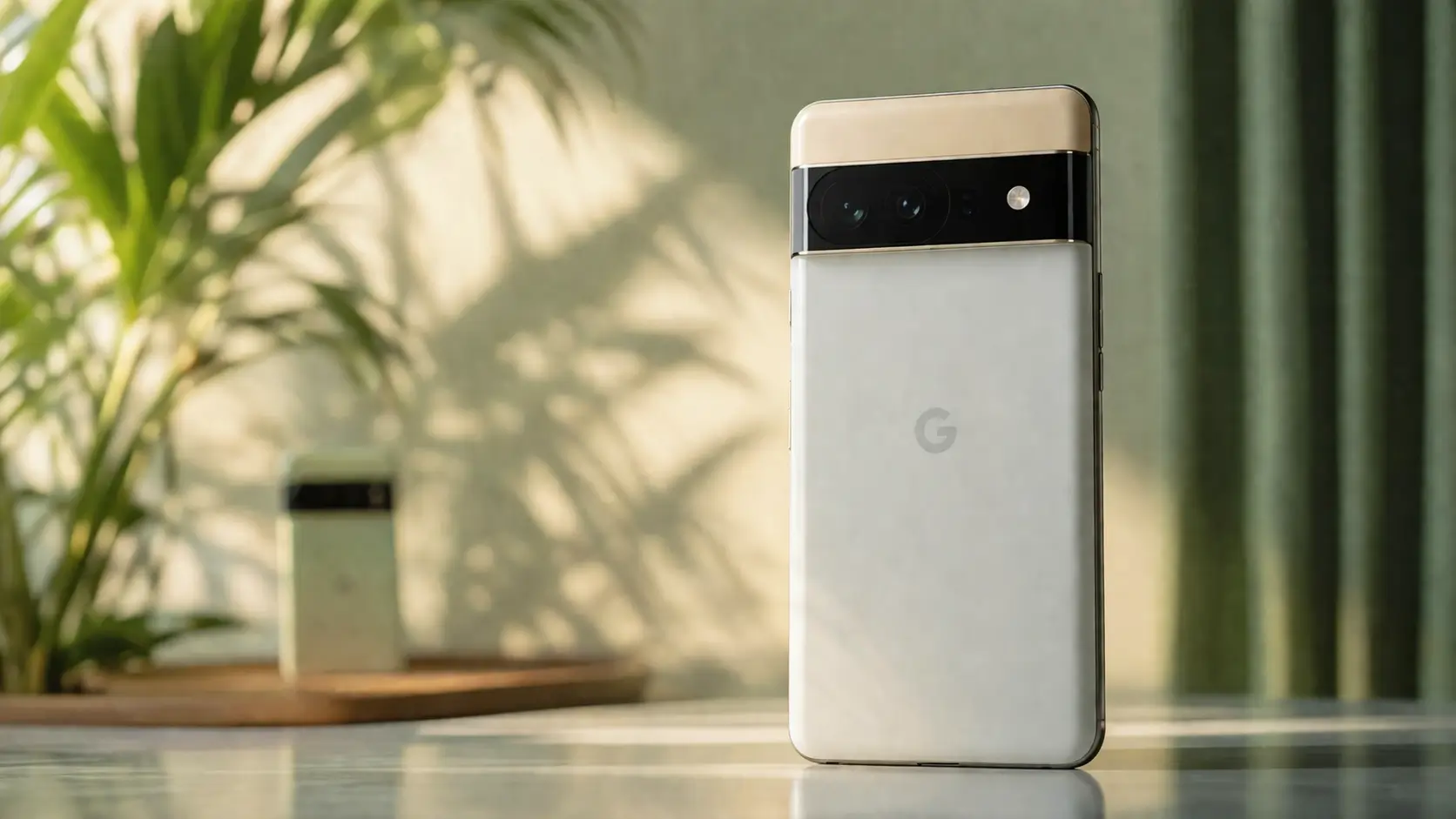

Android 17 Beta 4 rolls out to Pixel 6 and newer devices, marking a critical step in the development cycle of Google’s next major mobile operating system. This release is not just another update—it represents the final stage of public testing before the official version reaches a global audience. For users and developers alike, this phase is where the system becomes stable, polished, and ready for real-world deployment.
Google has followed a structured beta program over the past months, gradually refining Android 17 through multiple preview and beta builds. With Beta 4, the company shifts its focus away from introducing new features and instead concentrates on improving system stability, fixing remaining bugs, and ensuring that apps work smoothly across supported devices.
This version is particularly important because it signals that the platform has reached what developers call “platform stability.” In practical terms, this means that the core system behavior is now finalized. App developers can confidently optimize their applications without worrying about major changes before the official release.
Another key aspect of this rollout is its availability.
Unlike earlier experimental builds, Beta 4 is designed to be closer to the final user experience. While it still carries the “beta” label, it offers a much more reliable environment compared to earlier versions. This makes it more relevant not only for developers but also for advanced users who want an early look at what’s coming next.
At the same time, Google continues to emphasize security and performance. Each beta iteration builds on the previous one, reducing system instability and improving efficiency. By the time Beta 4 arrives, most critical issues have already been addressed, allowing the company to focus on fine-tuning the overall experience.
In simple terms, Android 17 Beta 4 is less about innovation and more about refinement. It prepares the system for its final release by ensuring that everything works as expected across different devices, networks, and usage scenarios.
Android 17 Beta 4 for Pixel 6 and Newer Devices
Android 17 Beta 4 is available exclusively for Pixel 6 and newer devices, continuing Google’s strategy of prioritizing its own hardware for early access to software updates. This approach allows the company to control both hardware and software environments, ensuring a smoother testing process and faster rollout of improvements.
The supported devices include:
- Pixel 6
- Pixel 6 Pro
- Pixel 6a
- Pixel 7
- Pixel 7 Pro
- Pixel 7a
- Pixel 8
- Pixel 8 Pro
- Pixel Fold
- Pixel Tablet
These devices meet the performance and hardware requirements necessary to run the latest Android version efficiently. Older models are not included, mainly due to limitations in processing power, memory, and long-term software support policies.
From a user perspective, this means that anyone using a Pixel 6 or newer model can experience Android 17 ahead of the official release. The update is delivered through the Android Beta Program, which allows enrolled devices to receive over-the-air (OTA) updates automatically.
Google’s decision to limit the beta to newer devices also reflects a broader industry trend. As mobile operating systems become more advanced, they require stronger hardware to deliver optimal performance. Features related to AI, background processing, and system optimization demand more from the device, making it difficult to support older models.
Another important point is consistency. By focusing on a specific range of devices, Google can ensure that the update behaves predictably across all supported hardware. This reduces fragmentation and helps developers test their apps more effectively.
For users, the experience remains straightforward. Once enrolled in the beta program, the update installs just like any regular system update. However, it is still important to remember that this is not the final version, even if it feels close to it.
Android 17 Beta 4 Improvements for Pixel 6 and Newer Devices
Unlike earlier beta versions, Android 17 Beta 4 does not introduce major new features. Instead, it focuses on stability, performance, and reliability. This stage of development is where Google fine-tunes the system to ensure that it performs consistently across different scenarios.
One of the most noticeable improvements is system stability. Apps open more reliably, background processes behave more predictably, and overall system responsiveness feels smoother. These changes may not always be visible, but they play a crucial role in delivering a high-quality user experience.
In addition, Google has addressed various bugs reported in previous beta versions. These fixes include improvements in:
System Stability, Performance, and Security Improvements
Android 17 Beta 4 improves system stability across Pixel devices by reducing crashes and enhancing app compatibility in daily use. It also optimizes battery efficiency, allowing background activity to run more smoothly without draining power unnecessarily. In addition, network performance sees noticeable refinement, with more stable connectivity during browsing, streaming, and app usage. Security remains a priority, as Google includes updated patches and strengthens overall system integrity. These improvements may not be immediately visible, but they play a critical role in delivering a reliable and consistent user experience ahead of the final release.
Another important area is developer readiness. With platform stability reached, developers can finalize their apps for Android 17 without worrying about major system changes. This helps ensure that apps will be ready and optimized when the official version launches.
Overall, Beta 4 is about polishing the system rather than expanding it. It ensures that Android 17 is stable, secure, and ready for everyday use.
At the same time, smartphone performance continues to evolve alongside software updates. Devices such as the Samsung Galaxy S25 are already pushing limits in connectivity, as seen in reports about record 5G speeds in South Africa.
Android 17 Beta 4 Pixel 6 Update Marks Final Testing Phase
Android 17 Beta 4 rolls out to Pixel 6 and newer devices as a clear signal that the operating system has entered its final phase before the official launch. At this stage, Google no longer focuses on adding new features. Instead, the priority shifts to refinement, stability, and real-world validation.
This phase plays a critical role in the entire development cycle. Google uses it to confirm that the system performs reliably across different scenarios, including daily usage, app interactions, and network conditions. At the same time, feedback collected during this period helps identify any remaining issues that need quick fixes before the final release.
For developers, this stage brings clarity and confidence. Since the platform has reached stability, they can complete their app updates without worrying about unexpected system changes. This allows them to optimize performance, fix compatibility issues, and ensure a smooth experience when Android 17 becomes widely available.
From a user perspective, Beta 4 already feels close to a finished product. The interface, system behavior, and overall performance reflect what the final version will deliver. However, small adjustments may still happen as Google fine-tunes the system.
In practical terms, Android 17 is now almost ready. Core features are locked, and only minor improvements remain. This is why many consider this stage equivalent to a release candidate phase, even if Google does not officially label it that way. It marks the transition from development to readiness, where the system prepares for a full global rollout.

Should You Install Android 17 Beta 4 on Pixel 6 and Newer Devices?
Android 17 Beta 4 rolls out to Pixel 6 and newer devices, but deciding whether to install it depends on how you use your phone. This version delivers a near-final experience, yet it still belongs to the beta program. Therefore, it offers both advantages and trade-offs that users should consider carefully.
If you are a developer, tester, or technology enthusiast, installing Beta 4 makes sense. At this stage, the system is stable enough for meaningful testing. You can explore performance improvements, check app compatibility, and understand how Android 17 behaves in real-world scenarios. In addition, developers benefit from platform stability, which allows them to finalize their applications without worrying about major system changes.
On the other hand, everyday users should take a more cautious approach. Even though Beta 4 is more refined than earlier versions, it may still include minor bugs or inconsistencies. For example, some apps might not function perfectly, and certain features could behave unexpectedly. While these issues are usually small, they can still affect the overall experience.
Another important factor is reliability. If you depend on your device for work, communication, or essential daily tasks, stability becomes more important than early access. In this case, waiting for the official release is the safer option. The final version will deliver a fully polished experience with fewer risks.
Ultimately, the decision comes down to priorities. If you value early access and testing, Beta 4 offers a strong preview of Android 17. However, if you prefer a smooth and predictable experience, waiting for the official release remains the best choice.
In addition, future smartphones are expected to take full advantage of new Android updates, just as upcoming devices like the iPhone 18 Pro are shaping expectations for performance and features.
Android 17 Beta 4 Release Timeline and What Comes Next
Android 17 Beta 4 rolls out to Pixel 6 and newer devices as part of a well-defined development timeline that Google has followed for years. The process usually begins with early developer previews, which introduce core system changes. Then, several beta versions refine those changes based on feedback from developers and users. Now, with Beta 4 available, the system has entered its final stage before the official release.
This phase is important because it confirms that the platform has reached stability. Major features are already locked, and Google now focuses on polishing performance, fixing remaining issues, and ensuring compatibility across apps and devices. As a result, Beta 4 acts as a near-final version rather than an experimental build.
Looking at previous Android releases, the timeline follows a predictable pattern. After the last beta version, Google typically moves quickly toward the official rollout. Although the company has not announced a specific release date, the current stage strongly suggests that the final version will arrive soon. In many cases, the gap between the final beta and the stable release is relatively short.
At the same time, this period allows developers to complete their final optimizations. Since the system behavior is now stable, they can fine-tune their apps without worrying about unexpected changes. This ensures a smoother experience for users once the update becomes widely available.
For users, Beta 4 represents the last opportunity to preview Android 17 before its official launch. It provides a clear look at the final design, performance, and system behavior. In simple terms, this is the final checkpoint before Android 17 reaches devices worldwide.
Android 17 Beta 4 is available through the official Android Beta Program, allowing Pixel users to receive updates over the air.
Executive Summary
Android 17 Beta 4 rolls out to Pixel 6 and newer devices as the final testing stage before the official release, focusing on stability, performance, and system reliability. While this update does not introduce major new features, it plays a crucial role in refining the overall user experience and preparing the platform for a smooth global launch.
For developers, this release provides a stable environment to finalize app compatibility and performance. For users, it offers a near-complete preview of Android 17, with improved responsiveness and fewer system issues compared to earlier beta versions.
As the update cycle reaches its final phase, attention now shifts toward the official release, which is expected soon. Android 17 Beta 4 confirms that the platform is ready, with only minor adjustments remaining before it becomes widely available.
