
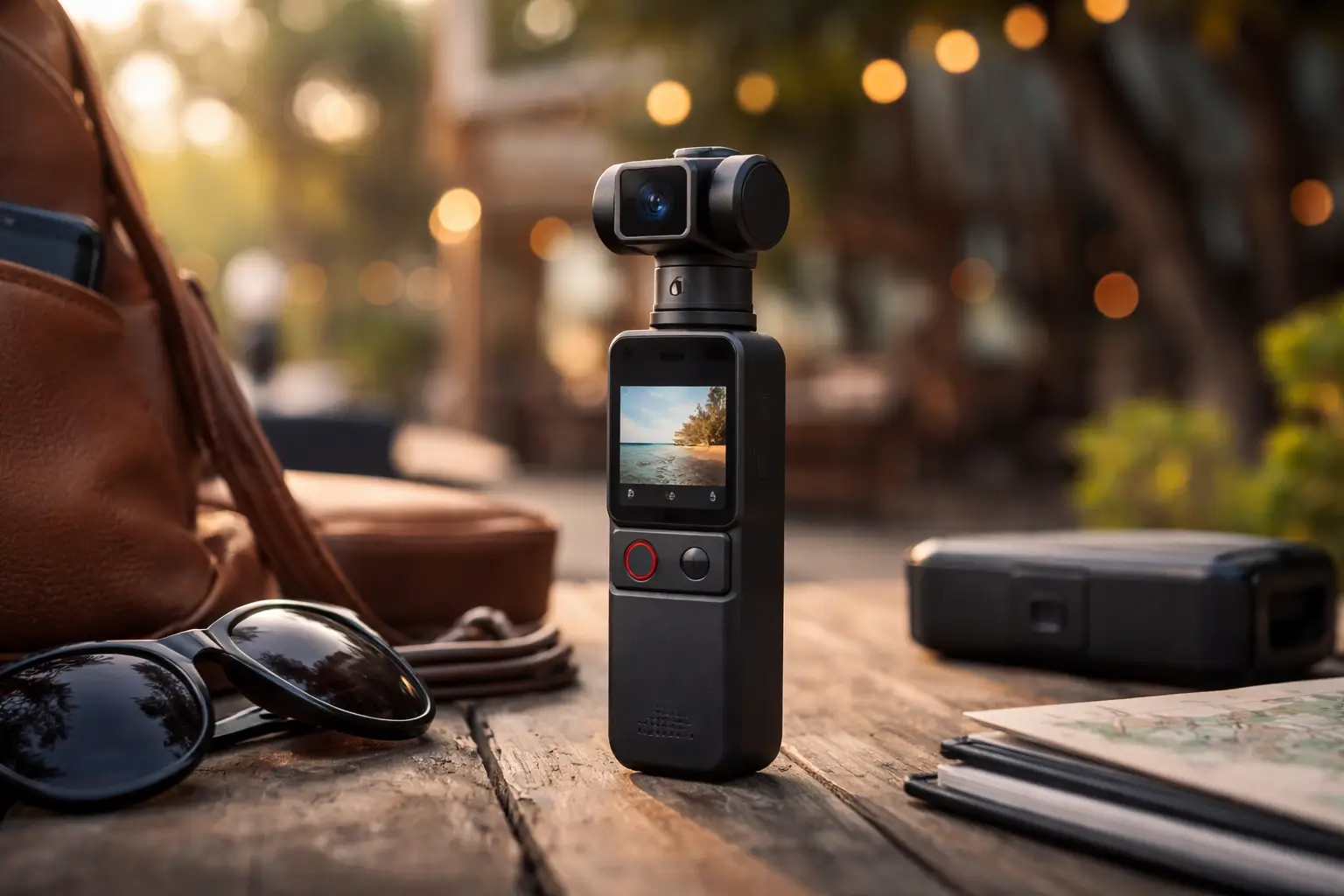

A New Generation of Pocket Cameras Arrives
The DJI Osmo Pocket 4 has officially launched, and this release immediately puts pressure on what people expect from compact cameras. The DJI Osmo Pocket 4 does not try to compete with large professional setups. Instead, it focuses on something much more practical: delivering strong video performance in a device that fits in your pocket. That approach reflects how content creation has changed. People no longer want heavy gear for everyday use. They want tools that are fast, reliable, and easy to carry.
At first glance, the headline features stand out. The DJI Osmo Pocket 4 supports 4K 240fps recording and includes built-in storage, which already removes one of the common frustrations users face. You do not need to worry about memory cards in urgent situations. You take the camera out, power it on, and start recording. That kind of simplicity matters more than it sounds, especially for creators who shoot frequently or move between locations.
But the real story goes beyond specifications. The DJI Osmo Pocket 4 shows that DJI understands how people actually create content today. Short-form video, social media, and mobile storytelling require speed and flexibility. You do not always have time to adjust settings or mount accessories. You need something that works instantly and delivers stable results. This is exactly where the DJI Osmo Pocket 4 positions itself.
DJI Osmo Pocket 4 Portability and Compact Design
Many devices claim to be compact, but they still feel bulky after extended use. The DJI Osmo Pocket 4 keeps things minimal without feeling limited. You can carry it all day without thinking about it, and that changes how often you actually use the device. A camera that stays in your pocket gets used more than one that stays in your bag.
For vloggers and mobile filmmakers, this difference is significant. Recording in public, capturing travel moments, or creating quick content becomes much easier when the setup feels natural. The DJI Osmo Pocket 4 supports that workflow by combining stabilization, performance, and simplicity in one device. You do not need extra equipment to get smooth footage. The built-in gimbal handles movement in a way that still feels ahead of most smartphones.
In simple terms, the DJI Osmo Pocket 4 does not try to be everything. It focuses on doing a few things very well. It delivers quality video, reliable stabilization, and a user-friendly experience in a compact form. That combination explains why this launch matters. It is not just another camera release—it reflects a shift toward smarter, more practical tools for modern creators.
What Makes the DJI Osmo Pocket 4 Different?
The DJI Osmo Pocket 4 stands out because it focuses on what creators actually use every day. Many camera upgrades chase bigger numbers or niche features. This release takes a different path. It refines the essentials and removes friction from the shooting process. That approach matters more in 2026, where speed, mobility, and consistency define good content.
Start with 4K at up to 240fps. On paper, that looks like a headline feature. In practice, it changes how you capture motion. You can shoot fast action and turn it into clean, detailed slow motion without switching to a larger setup. For travel clips, sports moments, or dynamic B-roll, this gives you creative flexibility without extra gear. Most users will not shoot at 240fps all the time, but having it available means you do not miss the shot when it counts.
The built-in storage sounds simple, but it solves a real problem. Creators lose time dealing with SD cards—formatting, swapping, or running out of space at the wrong moment. With internal storage, you power on and record. That convenience reduces setup time and lowers the chance of errors. It also makes the device feel more like a tool you can trust under pressure.
Stabilization remains one of the strongest reasons to choose a pocket camera over a phone. The DJI Osmo Pocket 4 uses an advanced gimbal system that keeps footage smooth while you walk, turn, or follow a subject. Phones rely heavily on digital stabilization, which can crop the image or struggle in low light. A physical gimbal maintains natural motion and consistent framing. You notice the difference immediately, especially in longer takes.
Subject tracking also sees a clear improvement.
The camera locks onto faces or moving objects faster and holds them more reliably. That helps solo creators who film themselves. You can set the frame, move freely, and let the camera follow. This reduces retakes and keeps your attention on the story instead of the settings. It also helps in crowded scenes where focus can easily drift.
Low-light performance matters more than most spec sheets admit. Many creators shoot indoors, at night, or in mixed lighting. The DJI Osmo Pocket 4 improves low-light capture so footage stays usable without heavy noise or loss of detail. You still get the best results with good lighting, but the camera handles difficult conditions better than earlier models. That reliability builds confidence when you cannot control the environment.
Then there is the compact and lightweight design. Size alone does not make a camera useful. What matters is how often you actually carry it. The DJI Osmo Pocket 4 fits into daily routines. You can keep it in a pocket and forget it is there until you need it. That increases the number of moments you capture. A device you carry wins over a device you leave behind.
All these features point to one idea: real-world usability. The DJI Osmo Pocket 4 does not overwhelm users with complex menus or features they will never touch. It focuses on fast startup, stable footage, dependable tracking, and flexible recording options. That combination supports creators who work quickly and publish often.
In simple terms, the DJI Osmo Pocket 4 feels like a tool built around workflow, not just specifications. It helps you move from idea to finished clip with fewer steps. That is what makes it different—and that is why it fits the way people create content today.
DJI Osmo Pocket 4 Designed for Content Creators
Content creation has changed fast. Short-form video dominates platforms, and creators need tools that keep up. The DJI Osmo Pocket 4 fits directly into this reality. It does not try to be complicated. It focuses on speed, simplicity, and consistent results—exactly what modern creators expect.
Today, creators want gear that works immediately. They do not want to spend minutes adjusting settings or assembling equipment. The DJI Osmo Pocket 4 solves that problem. You take it out, power it on, and start recording in seconds. That quick setup makes a real difference, especially when capturing spontaneous moments.
Stability also matters more than ever. Shaky footage can ruin otherwise good content. The built-in gimbal system in the DJI Osmo Pocket 4 keeps video smooth while you move naturally. You can walk, talk, or follow a subject without worrying about uneven footage. This gives creators confidence, even in fast-paced environments.
Another key advantage is minimal equipment. Many creators prefer lightweight setups. Carrying large cameras, lenses, and accessories slows you down. The DJI Osmo Pocket 4 reduces that burden. It combines stabilization, video performance, and portability into one device. That means fewer items to manage and more focus on creativity.
Quality remains essential. Viewers expect clear, sharp, and engaging visuals. The DJI Osmo Pocket 4 delivers strong video output that works well across platforms, from social media clips to longer content.
For vloggers and travel creators, reliability is everything. You cannot always control lighting, movement, or timing. You need a camera that works when you press record. The DJI Osmo Pocket 4 offers that reliability, making it easier to capture real moments without missing opportunities.
DJI Osmo Pocket 4 Performance and Real-World Use
The DJI Osmo Pocket 4 shows its value when you use it outside controlled environments. Specs look good on paper, but performance in real situations matters more. The inclusion of 4K at 240fps stands out immediately. This feature gives creators the ability to capture smooth slow-motion footage without losing detail. You can film fast movement—like walking through a busy street or capturing action—and turn it into cinematic clips. Not everyone will use 240fps every day, but having that option expands what you can create without needing a larger camera.
In everyday use, the difference becomes clear. You do not need to plan every shot carefully. You can react to moments as they happen. The DJI Osmo Pocket 4 handles that flexibility well. It records quickly, processes smoothly, and maintains consistent quality. This makes it useful for creators who work in unpredictable environments.
Another practical improvement comes from the built-in storage.
Many users underestimate how much time they lose dealing with memory cards. You have to check space, carry backups, and sometimes swap cards at the worst moment. With internal storage, the process becomes simpler. You turn the device on and start recording. That removes friction and keeps your focus on the content itself.
This change also improves reliability. When you rely less on external accessories, you reduce the chance of something going wrong. No missing cards, no compatibility issues, no interruptions. For creators who move constantly, this makes a noticeable difference.
In real-world use, small details like these matter more than big specifications. The DJI Osmo Pocket 4 does not just deliver strong performance—it makes the entire filming process smoother. That combination of capability and simplicity is what makes it effective in daily content creation.
The demand for faster and more efficient mobile technology is growing across the industry. This trend is not limited to cameras and content creation tools. It also appears in software development, where companies continue to push performance and stability improvements. A good example is the recent Android 17 Beta 4 update for Pixel 6, which highlights how modern devices are evolving to support smoother and more responsive experiences
Smarter Tracking and Stabilization
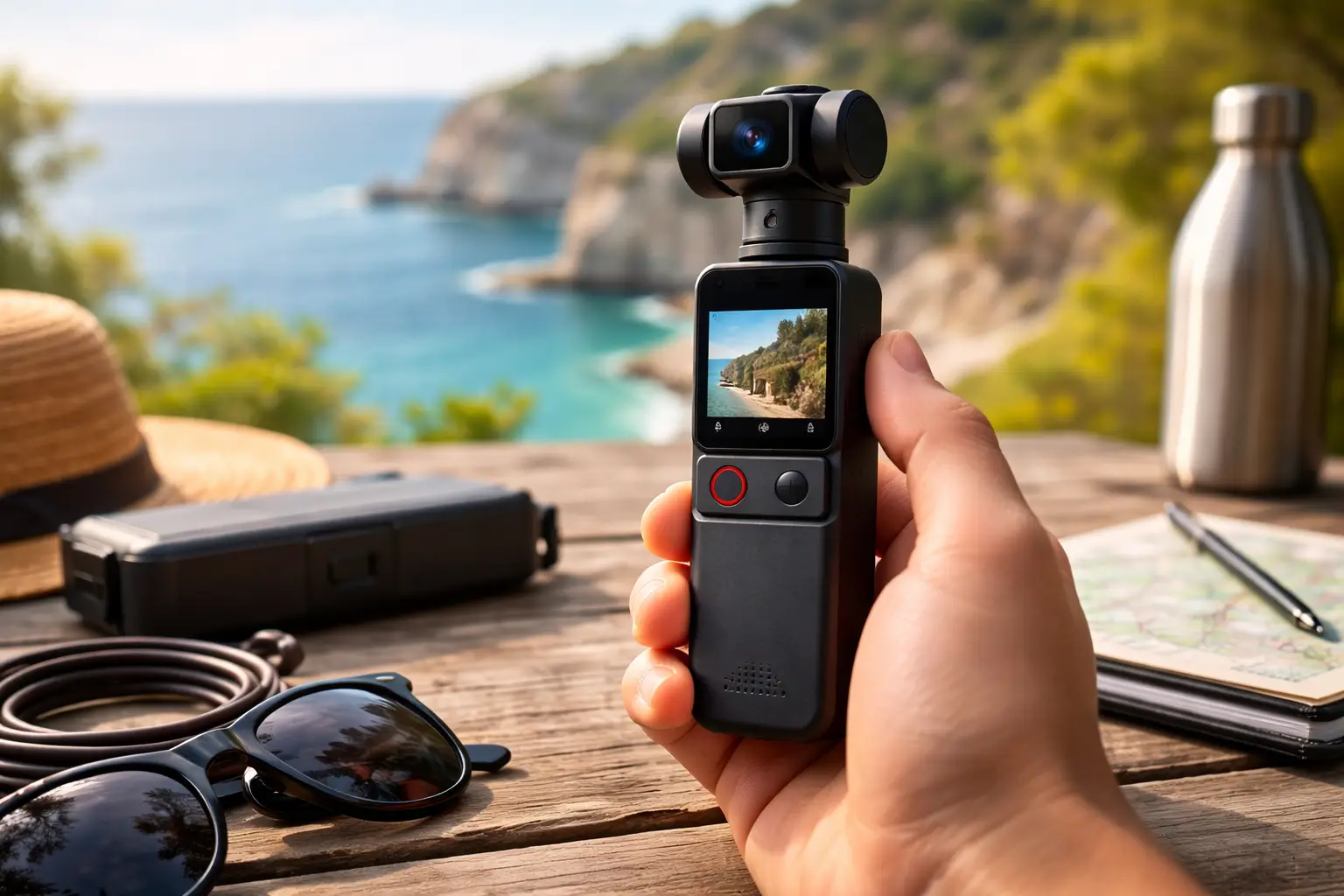
The DJI Osmo Pocket 4 improves two areas that matter the most in everyday filming: tracking and stabilization. DJI has built a strong reputation in this space, and this device pushes that experience further. You notice the difference the moment you start moving. The camera reacts faster, locks onto subjects more confidently, and keeps them in frame without constant adjustments.
Tracking feels more intelligent and more predictable. When you select a subject, the DJI Osmo Pocket 4 follows it smoothly, even as the scene changes. This helps a lot in real situations. People move, lighting shifts, and backgrounds become busy. The camera still keeps focus on what matters. You do not need to fight with the framing or restart shots repeatedly.
Stabilization also plays a major role. Many devices claim smooth video, but not all deliver consistent results. The DJI Osmo Pocket 4 uses a physical gimbal that absorbs movement naturally. When you walk, turn, or adjust your angle, the footage stays steady. It does not feel artificial or overly processed. Instead, it looks natural and controlled.
This combination becomes especially important for modern content.
Most creators do not shoot in studios. They film while walking, talking, or capturing moments in real time. In these situations, unstable footage can ruin the final result. Reliable tracking and stabilization solve that problem without adding complexity.
Another advantage is simplicity. You do not need advanced skills to get good results. The DJI Osmo Pocket 4 handles most of the work in the background. You can focus on storytelling instead of technical adjustments. This makes the device accessible to beginners while still useful for experienced creators.
In real-world use, smarter tracking and stable footage create a more professional look. The DJI Osmo Pocket 4 delivers that consistency, which is exactly what creators need when they cannot afford to miss a shot.
Competition in the Compact Camera Market
The compact camera market feels more crowded than ever. Smartphones keep improving their cameras every year. Many users now rely on devices from brands like Apple and Samsung for daily video recording. These phones offer convenience, strong image processing, and quick sharing. For casual users, that often feels enough.
At the same time, action cameras still hold their ground. Companies like GoPro continue to dominate outdoor and extreme filming. These devices handle rough environments, water exposure, and fast movement very well. For sports and adventure content, they remain a solid choice.
This growing competition creates a clear challenge. Each category focuses on a different strength. Smartphones focus on convenience. Action cameras focus on durability. That leaves a gap in the middle—something more capable than a phone, but simpler than a full camera setup.
That is where the DJI Osmo Pocket 4 finds its position. It does not try to replace a smartphone or compete directly with action cameras. Instead, it combines features that matter for controlled, high-quality video capture. The built-in gimbal provides stable footage without relying on digital correction. The camera offers strong video performance that feels closer to dedicated equipment. At the same time, the device stays small enough to carry anywhere.
This balance gives the DJI Osmo Pocket 4 a clear advantage. Creators who want more control than a smartphone offers can upgrade without dealing with the complexity of larger cameras. They get better stability, more consistent framing, and improved video quality in a compact form.
In simple terms, the DJI Osmo Pocket 4 sits in a unique space. It fills the gap between convenience and control, which makes it a practical choice for modern content creators.
Why the DJI Osmo Pocket 4 Launch Matters for Content Creators
The launch of the DJI Osmo Pocket 4 matters because it mirrors a clear shift across the tech industry. Devices are getting smaller, smarter, and more focused on creators, and this camera fits that direction almost perfectly. People no longer build workflows around heavy equipment. They build workflows around speed, mobility, and consistency.
Creators today move fast. They film in public spaces, travel frequently, and publish content quickly. In that reality, bulky gear becomes a limitation. You might get better quality from a larger setup, but you lose flexibility. The DJI Osmo Pocket 4 addresses that trade-off directly. It gives creators a tool that fits into everyday life instead of slowing it down.
Another important factor is simplicity. Many devices add features that look impressive but rarely get used. The DJI Osmo Pocket 4 takes a more practical approach. It focuses on what creators actually need: stable footage, quick access, and reliable performance. That focus makes the device more useful in real situations, not just in controlled tests.
The rise of short-form video also plays a role here. Platforms reward frequent posting and engaging visuals. Creators cannot afford to miss moments or spend too much time setting up shots. The DJI Osmo Pocket 4 supports this pace. You can record instantly, move freely, and trust the camera to deliver consistent results.
This launch also shows how companies like DJI are adapting. Instead of building products only for professionals, they design tools that work for a wider range of users. Beginners can use them easily, and experienced creators can still get strong results.
In simple terms, the DJI Osmo Pocket 4 represents a shift toward tools that match how people create today. It is not just about better specs. It is about making content creation faster, simpler, and more accessible.
The official details about the camera can be found on DJI’s website
Executive Summary
The DJI Osmo Pocket 4 is not trying to replace professional cameras. Instead, it is redefining what a compact camera can do.
With 4K 240fps recording, built-in storage, and improved tracking, it offers a strong combination of power and simplicity. For many creators, that balance is exactly what they need.
If DJI continues in this direction, it could further strengthen its position as a leader in portable video technology.
