
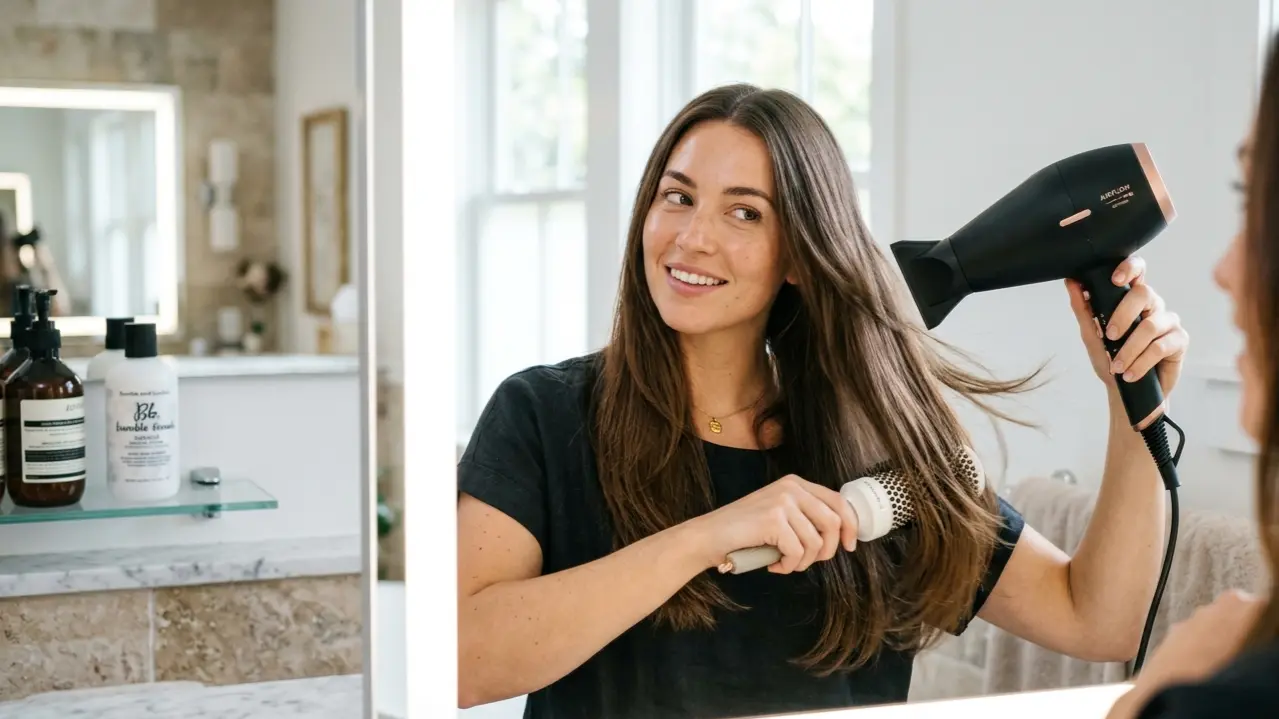

Why Hair Dryer Settings Matter More Than Most People Think
Hair dryer settings explained is a topic many people search for because the device looks simple, but the results depend heavily on how each setting is used. Heat, speed, and the cool shot button all affect how quickly hair dries, how smooth it looks, and how much stress the hair experiences during styling.
Most people already use a hair dryer almost every day, but very few understand how much the wrong settings can affect frizz, dryness, shine, and long-term hair health.
Many people use a hair dryer through trial and error. They turn the heat too high when they are in a hurry, use strong airflow when they need control, or ignore the cool shot button because they do not know what it does. Over time, these habits can lead to frizz, dryness, weak ends, and styling that does not last.
Understanding your hair dryer changes the routine. Low heat protects fine or damaged hair. Medium heat works well for daily drying. High heat can help thick hair dry faster, but it needs careful use. Airflow speed controls movement and styling precision, while the cool shot helps lock the final shape in place.
The honest truth is simple: better results do not always come from more heat. They come from choosing the right setting for your hair type, your styling goal, and the condition of your hair. Once you understand these controls, you can dry your hair faster, reduce avoidable damage, and get a cleaner finish at home
What Is a Hair Dryer and How It Actually Works
A hair dryer is not just a device that blows hot air. It is designed to control moisture, airflow, and temperature in a way that shapes your hair as it dries. Understanding this process is essential for anyone learning hair dryer settings explained, because each button on the device directly affects how these elements work together.
Inside the dryer, three main components operate at the same time. A heating element warms the air to speed up evaporation. A fan pushes that air outward with controlled force. Internal airflow channels guide the air through the nozzle, helping direct it exactly where you need it.
When you turn the dryer on, it pulls in surrounding air, heats it, and pushes it out in a steady stream. This airflow removes water from the hair surface while also influencing the direction and shape of the strands. The way you angle the dryer, the distance from your hair, and the settings you choose all affect the final result.
The key point is simple. Drying hair is not just about removing moisture. It is also about controlling how your hair sets while it dries, which is why technique matters just as much as the tool itself.
Understanding Hair Dryer Settings Explained in Real Use
Most dryers include three core controls: heat settings, speed settings, and the cool shot button. Each one has a different job, and using them correctly can change the way your hair looks, feels, and holds its style. This is why hair dryer settings explained matters in real use, not just in theory.
Heat controls how warm the air becomes. Higher heat removes moisture faster, but it can also stress the hair if used too often. Speed controls airflow strength. Strong airflow helps dry wet hair quickly, while lower airflow gives more control when shaping, smoothing, or finishing a style.
The cool shot button works differently. It does not dry hair faster. Instead, it helps set the final shape after heat has done the styling work. That is why many stylists finish with cool air.
Many people think higher heat always means better results. In reality, the best results come from balancing heat, speed, and timing. The right setting protects the hair while still helping you style it efficiently.
Learning how devices actually work often improves performance and efficiency, similar to what we explained in our guide on charging a phone without a charger using another phone and understanding everyday technology more effectively.
Heat Settings Explained for Better Hair Health
Heat controls how fast moisture evaporates from your hair, and that directly affects both drying time and hair condition. When people search for hair dryer settings explained, heat is usually the most misunderstood part. Many assume higher heat always leads to better results, but in practice, it often leads to more damage if used incorrectly.
Low heat works best for fine, fragile, or already damaged hair. It dries more slowly, but it protects the hair structure and reduces the risk of breakage. It is also a good option for finishing, when most of the moisture is already gone and you want to avoid unnecessary stress.
Medium heat is the most balanced choice for everyday use. It provides enough warmth to dry hair efficiently while still maintaining a level of protection. For most hair types, this is the setting that delivers consistent results without causing long-term damage.
High heat is useful for thick or coarse hair that holds a lot of moisture. It speeds up drying, especially at the start, but it requires control. Keeping the dryer moving and avoiding prolonged exposure in one area becomes essential at this level.
The honest truth is simple. Heat is helpful, but it must be controlled. Using too much heat too often weakens the hair over time, leading to dryness, split ends, and loss of shine. The best results come from using only the amount of heat your hair actually needs.
Speed Settings Explained for Better Control
Speed controls airflow strength, not temperature, and that distinction matters more than most people realize. In many hair dryer settings explained guides, speed gets less attention than heat, but in real use it often makes the biggest difference in control and styling precision.
High speed pushes a strong stream of air that removes moisture quickly. This makes it ideal at the beginning of the drying process, especially when your hair is still very wet. The goal at this stage is not styling, but reducing moisture as efficiently as possible. However, high airflow can also move the hair too much, which makes detailed styling difficult.
Low speed works differently. It provides a softer, more controlled airflow that allows you to shape the hair more carefully. This is why lower speed is better for smoothing, directing sections, and finishing styles. When you are trying to create a specific look, too much airflow can disrupt the shape you are building.
The real tip is simple. Fast airflow helps you start the process, but precision matters at the end. As your hair becomes drier, reducing the speed gives you more control over the final result. This transition from high to low speed is what separates rushed drying from intentional styling.
Using the right speed at the right time improves both efficiency and results. It helps you dry faster without losing control, and it allows your final style to look cleaner and more defined.
Cool Shot Button Explained (Most Underrated Feature)
The cool shot button releases cold air, and many people ignore it. That is a mistake. In most hair dryer settings explained guides, this feature looks optional, but in real use it often determines how long your style actually lasts.
Cold air works differently from heat. While heat softens the hair and allows you to shape it, cool air helps set that shape in place. It closes the hair cuticle, which reduces frizz and gives a smoother, more polished finish. This is especially important after you finish styling a section, whether you are straightening, adding volume, or defining curls.
Cold air also helps maintain shine. When the cuticle lies flat, light reflects more evenly, which makes the hair look healthier. Without this step, even a well-shaped style can lose definition more quickly.
The simple truth is easy to remember. Heat shapes the hair, but cool air fixes it. Skipping the cool shot step often leads to styles that fall flat faster, especially in humid conditions.
Using the cool shot for a few seconds at the end of each section can make a noticeable difference in how your hair holds its form throughout the day.
Hair Dryer Settings Explained for Different Hair Types
Different hair types need different approaches. This is one of the most important parts of hair dryer settings explained, because the best setting depends on hair texture, thickness, moisture level, and hair condition. There is no single setting that works perfectly for everyone.
Fine Hair
Fine hair needs gentle treatment because it can overheat quickly. Low heat and low speed work best because they reduce stress on the strands while still removing moisture. A cool shot at the end helps add shape and reduce flatness without exposing the hair to extra heat.
Thick Hair
Thick hair usually holds more water, so it needs stronger airflow at the beginning. High speed can help remove moisture faster, while high heat may help when hair is very dense or coarse. However, once the hair becomes mostly dry, switching to medium heat gives more control and reduces unnecessary damage.
Curly Hair
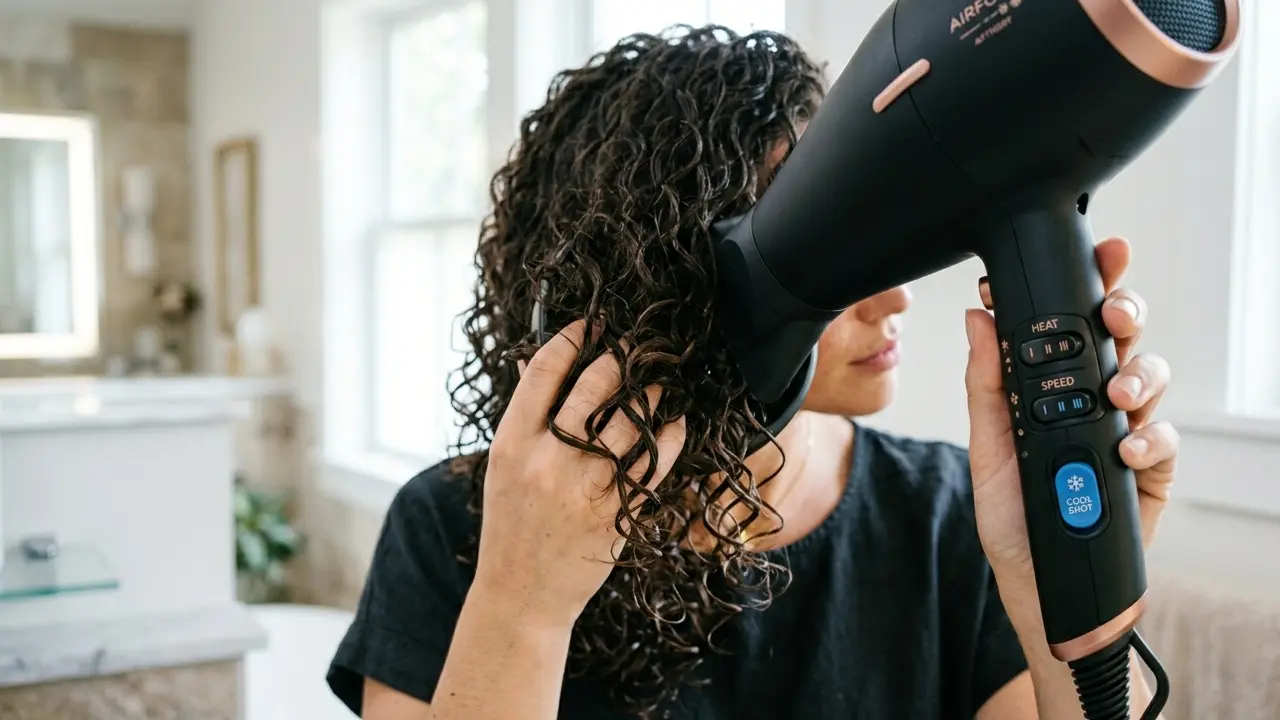
Curly hair needs care because too much airflow can disturb the curl pattern and create frizz. Low heat works best, especially with a diffuser attachment. The diffuser spreads airflow more gently, helping curls dry without losing shape. A cool shot can help define curls and keep them looking more controlled.
Damaged Hair
Damaged hair needs the most protection. Low heat should be the default setting, and high speed should be avoided when the hair feels weak or brittle. Frequent cool shot use helps finish the style with less stress.
The honest rule is simple: customize the dryer settings to your hair, not the other way around.
Common Hair Dryer Mistakes That Damage Hair
Many people damage their hair without realizing it because they use the dryer the same way every day. This is why hair dryer settings explained should also include the mistakes to avoid, not only the settings to use.
Using High Heat Too Often
High heat dries hair faster, but using it every day can remove too much moisture from the strands. Over time, this can lead to dryness, rough texture, split ends, and breakage. High heat should be a tool, not the default setting.
Ignoring the Cool Shot
Skipping the cool shot is a common mistake. Heat helps shape the hair, but cool air helps set the style. Without it, hair may lose shape faster, especially after smoothing, curling, or adding volume.
Holding the Dryer Too Close
Keeping the dryer too close to the hair or scalp can cause overheating. A safer approach is to keep some distance and move the dryer constantly. This spreads heat more evenly and reduces the risk of damage.
Using the Wrong Speed
High speed works well for removing moisture, but it can create frizz when used during styling. Low speed gives better control and helps create a smoother finish.
The best results come from using heat, speed, and cool air with intention instead of habit.
Why Proper Hair Dryer Use Matters Long Term
Proper hair dryer use matters long term because damage often builds slowly. Many people do not notice the problem after one styling session. They notice it after weeks or months, when the hair starts to feel dry, rough, frizzy, weak, or less shiny. This is why hair dryer settings explained should focus on daily habits, not only quick styling results.
Repeated heat exposure can remove moisture from the hair and weaken the outer cuticle over time. When that happens, hair becomes more likely to break, split, or lose smoothness. The problem usually gets worse when people use high heat too often, hold the dryer too close, or dry the same section for too long.
Using the correct heat and airflow settings consistently helps reduce unnecessary stress. Low or medium heat protects fragile strands, controlled airflow gives better styling precision, and cool air helps finish the style without extra heat exposure.
The goal is not to avoid hair dryers completely. The goal is to use them intelligently. When you match the settings to your hair type and condition, you can keep your routine effective while supporting healthier long-term results.
Professional Hair Dryer Tips That Actually Work
Most improvements come from simple habits, not expensive tools. In many hair dryer settings explained guides, technique gets less attention, but it often makes the biggest difference in real results. Keeping the dryer moving helps distribute heat evenly and prevents hot spots that can damage the hair. Holding it in one place for too long increases the risk of dryness and breakage.
Using a heat protectant creates a barrier that reduces direct heat impact on the hair. This small step can make a noticeable difference over time. Drying hair in sections also improves control, allowing each part to dry evenly instead of rushing through the process.
Taking your time matters more than people think. Rushing often leads to higher heat use and less control. Finishing with cool air helps set the style and reduce frizz.
Small habits like these create better results and healthier hair with consistent use.
What Hair Dryer Settings Mean for Your Daily Routine
Understanding hair dryer settings explained is not just about styling. It is about building a routine that protects your hair while still giving you consistent results. Small adjustments in how you use heat, speed, and cooling can change how your hair looks and feels over time.
Once you start using the right combination of settings, your routine becomes more efficient. You spend less time correcting mistakes and more time working with your hair instead of against it. Drying becomes faster because you use high speed at the right moment, and styling becomes easier because you lower the speed when you need control.
Using cooler air at the end also helps maintain the shape of your style, which means you do not need to redo it later. Over time, these habits reduce damage, improve shine, and make your results more predictable.
The real benefit is consistency. You get better outcomes every day without adding extra effort or complexity to your routine.
Who Should Care About Hair Dryer Settings Explained
Understanding hair dryer settings explained matters for more people than most realize. It is not only for professionals or stylists. Anyone who uses a hair dryer regularly can benefit from using the right settings in the right way.
Everyday Users
Anyone who dries their hair frequently should pay attention to how they use their dryer. Small adjustments in heat and speed can improve results without adding extra time. Instead of relying on the same routine every day, using the correct settings can make drying faster and more consistent.
People with Damaged Hair
For people dealing with dryness, breakage, or split ends, correct settings can help prevent further damage. Lower heat, controlled airflow, and proper finishing techniques reduce stress on the hair. Over time, this approach supports healthier-looking hair without requiring major changes in routine.
Styling Enthusiasts
Anyone who enjoys styling their hair will benefit from better control. Using the right combination of heat, speed, and cool air allows for more precise shaping. This leads to smoother finishes, longer-lasting styles, and more predictable results.
The key idea is simple. Better control leads to better outcomes.
Final Analysis of Hair Dryer Settings Explained
Most people already own a good hair dryer. The real difference comes from how they use it, not from buying a more expensive model. This is why hair dryer settings explained matters in real life, not just in theory. Small changes in how you use heat, speed, and cooling can improve results without changing your device.
Learning these settings is not complicated, but it changes everything. Better styling comes from using the right heat at the right time. Healthier hair comes from avoiding unnecessary heat exposure. More control comes from understanding airflow and finishing techniques.
The honest truth is simple. Most hair problems during drying do not come from the tool itself. They come from how it is used. Once you understand what each setting does, your results become more consistent, your hair becomes easier to manage, and your daily routine becomes more efficient.
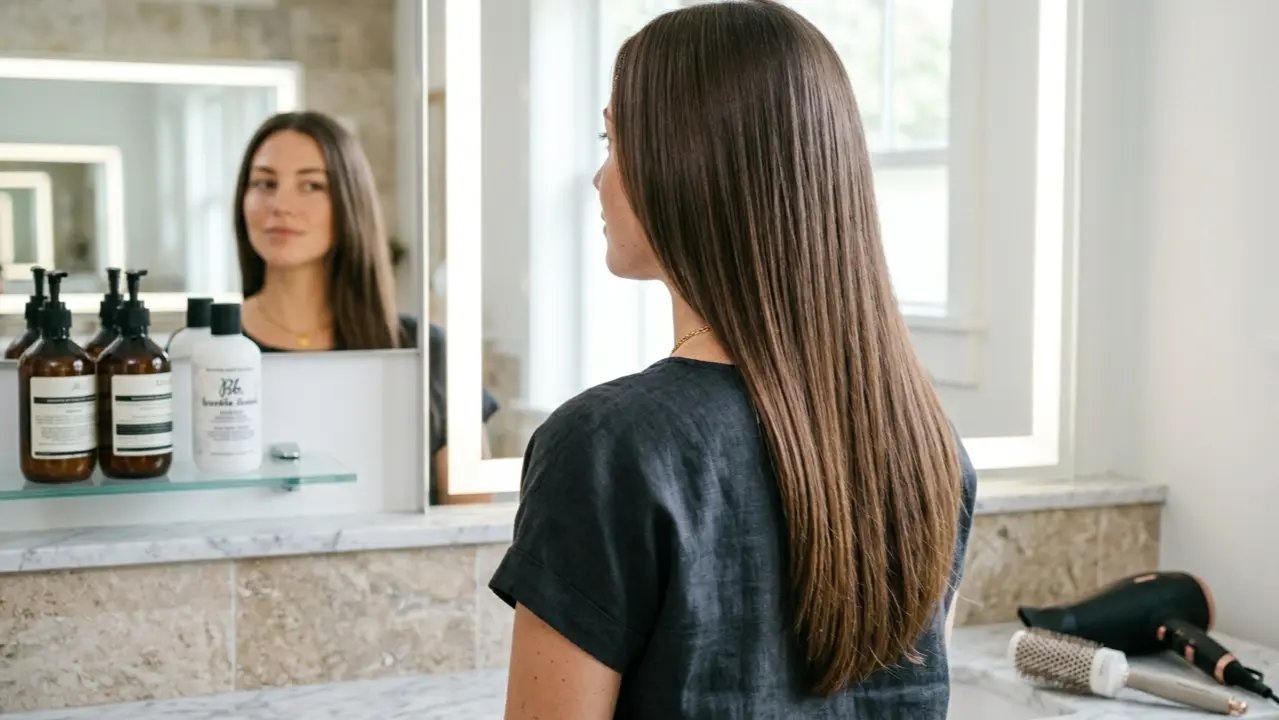
Hair health depends not only on styling techniques but also on reducing unnecessary heat exposure. Healthline explains that excessive heat styling can weaken hair over time, leading to dryness, breakage, and split ends if proper protection and care are ignored.
Frequently Asked Questions
What is the best hair dryer setting for everyday use?
Medium heat with moderate airflow works best for most people because it balances drying speed, styling control, and hair protection without excessive heat exposure.
Does the cool shot button really make a difference?
Yes. The cool shot button helps seal the hair cuticle, reduce frizz, improve shine, and keep hairstyles in place longer after heat styling.
Can using high heat damage hair?
Frequent use of high heat can weaken hair over time, leading to dryness, split ends, breakage, and loss of natural shine, especially without heat protection.
Which hair dryer settings work best for curly hair?
Curly hair usually responds best to low heat, lower airflow, and a diffuser attachment because these settings help maintain curl definition and reduce frizz.
Why do hair dryer speed settings matter?
Speed settings control airflow strength. High speed removes moisture faster, while low speed gives more control during styling and finishing.
Is it better to air dry or use a hair dryer?
Both methods can work well. A hair dryer used correctly with controlled heat and airflow may reduce drying time and improve styling without causing excessive damage.
Executive Summary
Hair dryer settings explained comes down to using heat, speed, and cool air with intention. The right combination improves styling results, reduces unnecessary damage, and gives you more control every day. Small adjustments in how you use your dryer can lead to healthier hair and more consistent outcomes.
